When the airports shut down and the sirens start wailing, the romantic idea of world travel dies instantly. It doesn’t matter if you’re on a business trip or a casual vacation. Suddenly, the only thing that matters is geography and the weight of your connections.
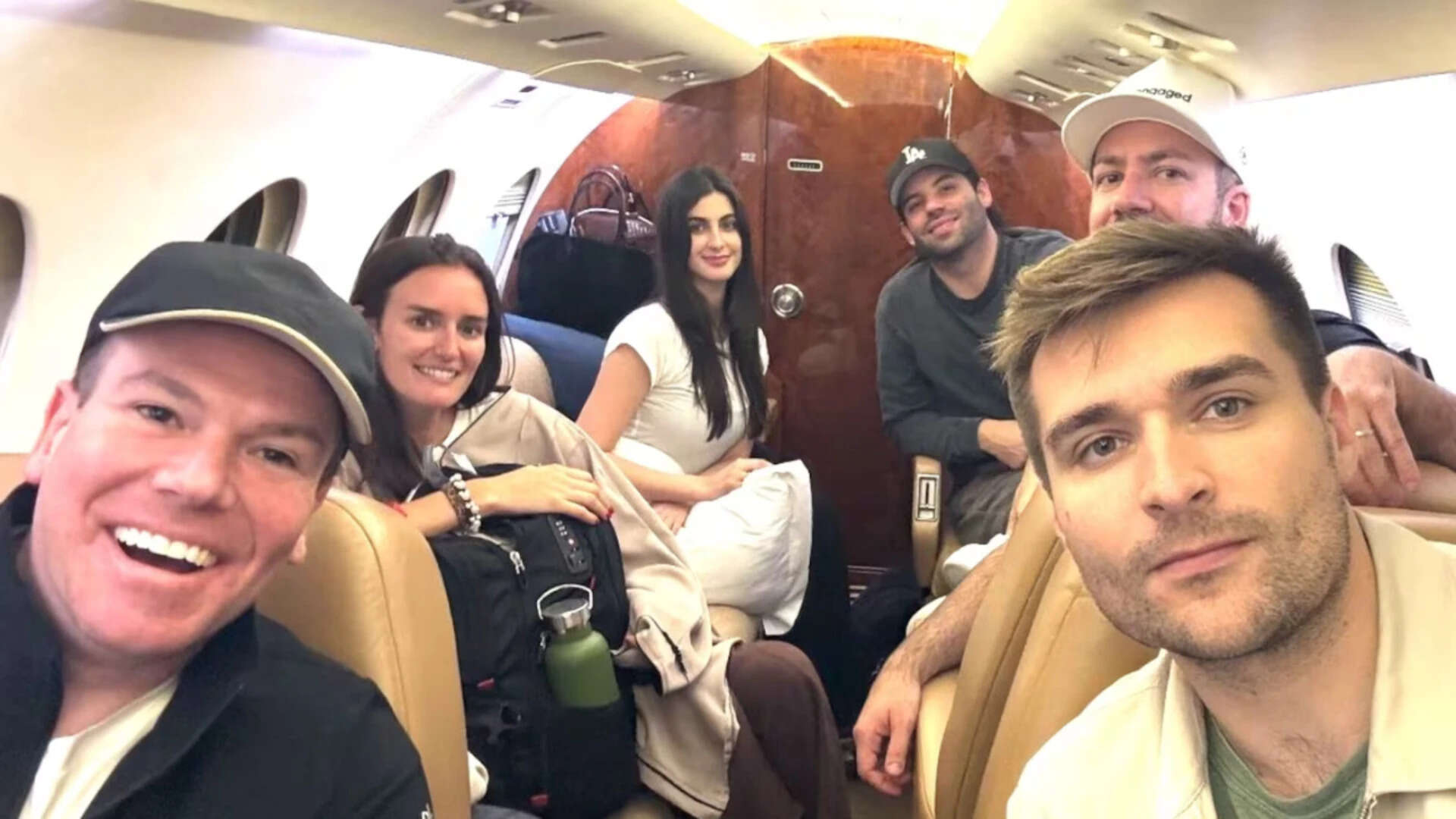
We just witnessed a perfect example of this in the Middle East. As regional tensions boiled over into a full-scale crisis, thousands of Americans found themselves trapped, staring at closed runways and dead-end government hotlines. Meanwhile, a handful of people—specifically Trump adviser Alex Bruesewitz and a traveler identified as a Dallas dog walker—secured a seat on a private jet out of the danger zone.
It’s an uncomfortable story. It highlights the disparity between those who can buy their way out of a disaster and those who are forced to wait for bureaucratic machinery to turn.
The Reality of Private Evacuation
Let’s look at the facts. Bruesewitz reportedly used personal connections in the White House and local contacts in the region to coordinate his exit. He didn’t wait for a State Department charter flight that might never come. He didn’t sit on hold for hours with an understaffed embassy switchboard. He tapped his network, chartered or secured space on a private plane, and got out before the airspace completely locked down.
For someone like Sarah Gaither, the situation was different. She was a traveler caught in the wrong place at the wrong time—a layover in Doha turned into a nightmare. Her story gained traction through social media. Eventually, she was offered a seat on that same private flight.
This isn't a critique of them for leaving. Anyone with a way out of a war zone is going to take it. The frustration for the average American is the visibility of the gap. While thousands were being told by the State Department to just "depart immediately" without being given any actual, functional instructions on how to do so, a select few found a private lane to safety.
It proves a bitter point. In an emergency, your passport is only as good as the infrastructure backing it up. If that infrastructure crumbles, you are left with your own resources.
The Myth of Government Assistance
The recent situation in the Middle East has exposed a gaping hole in how we perceive U.S. government protection. We often assume that if things go sideways, there’s a pre-planned operation to pluck us out. We imagine military transport, organized convoys, and clear, actionable updates.
The reality is rarely that organized.
When thousands of citizens are left stranded, the government’s response is often slow, reactive, and plagued by communication failures. Reports from this specific crisis were damning. People called official emergency numbers only to get stuck in loops or be read the same generic security updates available on a website they couldn’t even load.
Think about the sheer logistics of moving thousands of people out of a hostile region. It isn’t just about having planes. It’s about securing flight paths, coordinating with local authorities who might be hostile, and managing the chaos of a collapsing airport. If you are relying solely on an embassy to get you out, you are often at the bottom of the priority list.
The "4 days without a plan" criticism circulating online wasn’t just partisan noise. It was a genuine reflection of how fragile the safety net actually is. When you travel to volatile regions, you have to operate under the assumption that you are your own primary security detail.
Why You Need a Personal Evacuation Strategy
If you travel frequently or find yourself in high-risk zones, you need to stop trusting the status quo. Hope is not a strategy. Being a citizen of a powerful nation is a comfort, not a guarantee.
Here is what you actually need to consider to avoid being the person stuck on the tarmac while others fly away.
1. Build Your Own Network
In a crisis, information is the most valuable currency. You need contacts on the ground who aren't official government channels. Local fixers, security consultants, or even just fellow expats who have been in the region for years often have a better handle on the situation than an embassy press release. They know which roads are blocked before Google Maps updates. They know which private airfields are still operating.
2. Diversify Your Transport Options
If the main international airport closes, your commercial ticket is trash. Always map out alternative routes. Can you get to a land border? Is there a secondary, smaller airport that handles private or regional traffic? Having a plan B that doesn't involve a Boeing 747 is the difference between getting out and getting stuck.
3. Use Better Tech
Satellite communication is no longer just for military contractors. A simple Garmin InReach or a satellite phone can keep you connected when the local cell towers go down or become overwhelmed by everyone trying to call home at the same time. During the recent chaos, people who had reliable, independent communication were the ones who could actually coordinate with others to find exits.
4. Understand Your Insurance
Most standard travel insurance policies have massive exclusions for acts of war or civil unrest. If you are traveling to a region that is even slightly unstable, look for high-risk travel insurance that includes evacuation services. These services are not cheap, but they often have the power to charter planes or coordinate private rescue efforts when the State Department is overwhelmed.
The Privilege of Mobility
The controversy surrounding the rescue of the Trump adviser and the dog walker isn't really about who they were. It’s about the fact that they had access to the most vital resource in a crisis: mobility.
In our world, mobility is increasingly tiered. On the bottom tier, you have the vast majority of people who rely on public systems that can fail at the drop of a hat. On the top tier, you have people who can bypass those systems entirely.
The internet reaction to this event—the anger, the irony, the calls for better support—is a symptom of a larger frustration. People are starting to realize that the promise of government safety is becoming a hollow sentiment. We are living in a time where the stability of travel is far more fragile than we care to admit.
You don't have to be a high-profile consultant to have a plan. You just have to be realistic. The next time you book a ticket to a region that’s even remotely unpredictable, don't ask yourself if the government will help you. Assume they won't. Ask yourself how you would get out if everything went dark tomorrow.
If you don't have an answer to that, you aren't prepared. The people who made it out on that private jet understood one thing clearly: waiting for the system to save you is the fastest way to get left behind.
Practical Next Steps for Preparedness
If you’re planning travel, don't wait for a crisis to think about these things. Start by enrolling in the Smart Traveler Enrollment Program (STEP). It’s the baseline. It’s not a golden ticket, but it gets your info into the system.
Beyond that, look for security advisories from non-governmental sources. Companies like International SOS provide detailed, real-time risk assessments that often go deeper than standard travel warnings.
Finally, maintain a "go bag" mindset. Keep your passport, essential documents, some cash in a stable currency, and a portable power bank accessible at all times. When the chaos starts, you shouldn't be looking for your passport; you should be looking for the exit.
The world is getting less predictable. Act like it. Don't rely on the promise of an easy rescue. Build a plan that gets you home on your own terms.