The border between Pakistan and Afghanistan is currently a powderkeg that's been burning for six straight days. If you've been following the news, you know this isn't just another small-town skirmish. We're talking about heavy artillery, displaced families, and a complete shutdown of vital trade routes. Now, Turkey has stepped onto the stage, offering to mediate a truce before this regional friction turns into a full-scale firestorm.
This isn't just about a line on a map. The Durand Line has been a point of contention for decades, but the intensity of the recent clashes at the Kurram border suggests something has fundamentally broken in the relationship between Islamabad and the Taliban government in Kabul. When two neighbors with this much shared history start trading mortar fire, the entire neighborhood gets nervous.
Why the Kurram Border is Screaming for a Truce
The fighting in the Kurram district hasn't just stayed in the trenches. It’s spilled over into civilian areas, and the numbers are grim. We're seeing reports of dozens killed and scores more injured since the clashes kicked off. For the people living there, it’s not a geopolitical debate. It’s a matter of whether a shell is going to land on their roof tonight.
Most of these flare-ups start over something seemingly small—a dispute over a new border outpost or a patch of disputed land. But they escalate because there's zero trust. Pakistan claims it’s defending its sovereignty against militants crossing over. Afghanistan’s interim government, meanwhile, views Pakistani border fencing and outposts as an encroachment on their territory.
The Torkham and Chaman crossings often grab the headlines, but the Kurram theater is uniquely dangerous because of the sectarian dynamics and tribal complexities involved. When the border shuts down here, it chokes the local economy instantly. Perishable goods rot in trucks. Prices for basic flour and oil skyrocket. It’s a mess that feeds on itself.
Turkey's Gambit as the Honest Broker
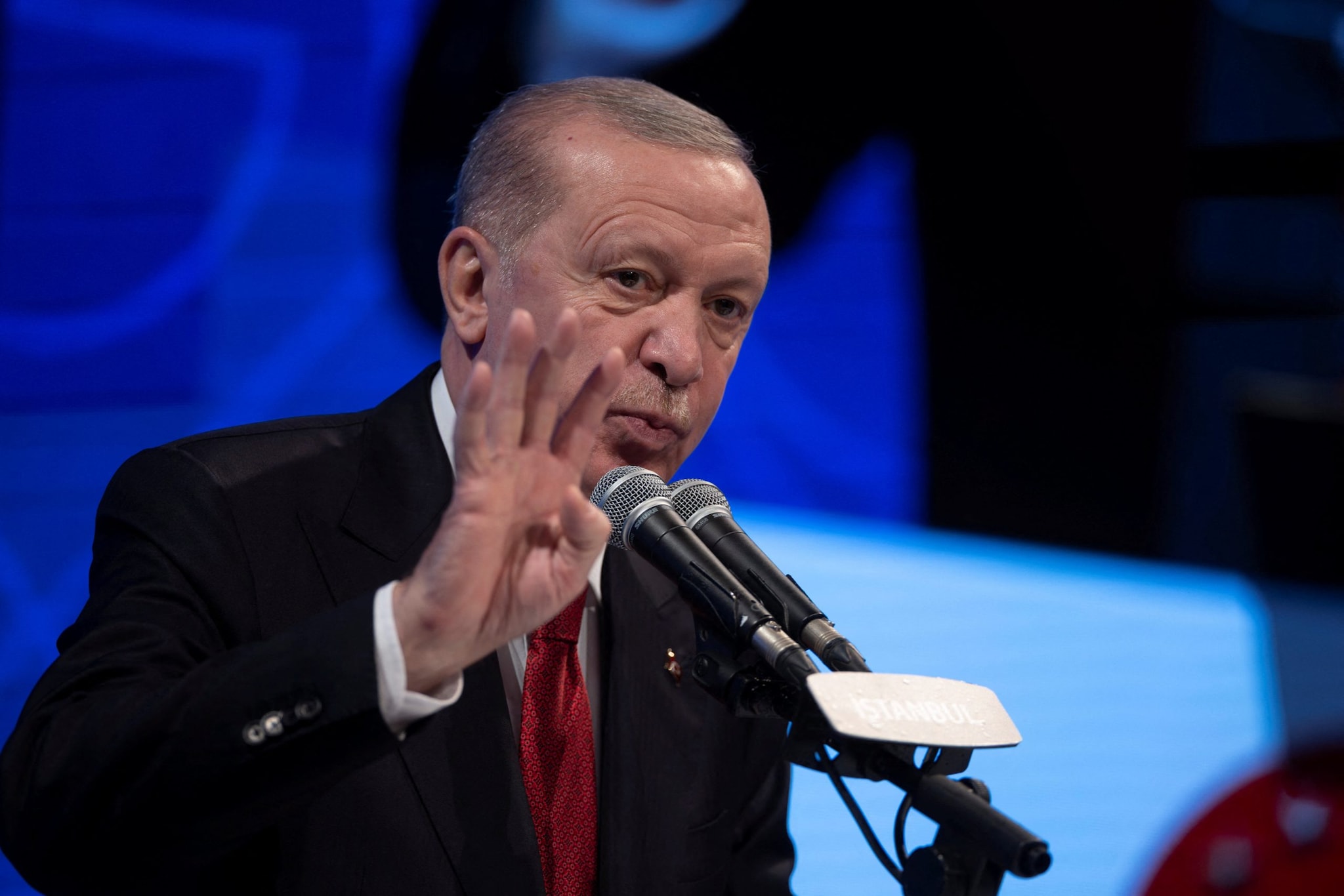
Enter Ankara. Turkish officials have officially reached out, signaling their readiness to bring both sides to the table. Why Turkey? Honestly, they’re one of the few players left that both Islamabad and Kabul actually listen to.
Turkey has spent years building "soft power" in Afghanistan through development projects and diplomatic presence, even after the 2021 Taliban takeover. At the same time, the defense and strategic partnership between Turkey and Pakistan is arguably at an all-time high. Ankara isn't coming at this as a Western outsider with a lecture. They’re coming as a brotherly nation that wants a stable Central and South Asia.
Success isn't guaranteed. Mediation only works if both sides feel they have more to lose by fighting than by talking. Right now, both the Taliban and the Pakistani military seem stuck in a cycle of "retaliatory signaling." They’re firing to prove a point. Turkey’s job is to give them a way to stop without losing face.
The Economic Toll No One Can Afford
If you want to see the real damage of a six-day border war, look at the supply chains. The Pak-Afghan border is the lifeblood for landlocked Afghanistan. It’s also a critical corridor for Pakistan to reach Central Asian markets.
Every day the gates stay closed, millions of dollars vanish. Small traders who live hand-to-mouth are the first to suffer. I’ve seen reports of hundreds of trucks stranded, filled with everything from fresh fruit to construction materials. This isn't just a "security issue." It’s a massive hit to the regional GDP that neither country—both struggling with inflation and economic instability—can actually afford.
Moving Past the Six Day Deadlock
The immediate priority is a ceasefire, plain and simple. You can't talk about border demarcation or counter-terrorism while the guns are still hot. Turkey’s proposal likely involves a localized truce in the Kurram sector followed by a high-level meeting in Istanbul or Doha.
Pakistan wants guarantees that Afghan soil isn't being used by the TTP (Tehrik-i-Taliban Pakistan). The Taliban want an end to what they see as Pakistani military aggression on the frontier. These are deep-seated issues that a single meeting won't fix.
If you're tracking this situation, watch the Torkham crossing. If that closes in "solidarity" with the Kurram fighting, we're headed for a much longer winter. The next 48 hours are the window. Either the Turkish mediation gains traction, or we see a reinforcement of troops that could lock this conflict in for weeks.
The move now is for regional stakeholders to back the Turkish initiative. Pressure needs to move away from the triggers and toward the trade maps. Both nations need to realize that a hard border isn't worth a broken economy. It’s time to let the diplomats do the work the artillery clearly can’t.