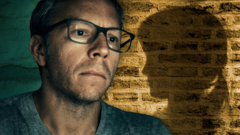
Public safety just collided with artificial intelligence in the most unsettling way possible. When news broke that a suspect in Tumbler Ridge, British Columbia, had their ChatGPT account terminated shortly before a violent encounter with police, it wasn't just a local crime story. It became a case study in how tech companies are now the first line of defense—and perhaps an accidental tripwire—in modern law enforcement.
The incident involving 30-year-old Dennis Daniel Gladue isn't just about a shooting. It's about the invisible digital breadcrumbs people leave behind before they reach a breaking point. On the evening of February 22, 2026, Gladue allegedly opened fire on RCMP officers who were responding to a report of a distraught individual. He was eventually apprehended after a tense standoff, but the detail that caught everyone’s attention was the "pre-incident" action taken by OpenAI.
The Digital Red Flag Most People Missed
OpenAI doesn't just ban people for fun. Their safety systems are designed to catch "jailbreaking" attempts or queries that violate their policies on self-harm and violence. In this case, Gladue’s account was flagged and disabled. We aren't talking about a simple Terms of Service violation for spam. We’re talking about an algorithmic realization that a user’s interaction with the AI had crossed a dangerous line.
This raises a massive question. If an AI knows someone is a threat, who else should know? Currently, the bridge between a Silicon Valley server and a rural RCMP detachment is basically non-existent. OpenAI’s automated systems did their job by cutting off access, but that didn't stop the real-world violence that followed. It’s a reactive measure in a world that desperately needs proactive solutions.
The suspect's history wasn't a blank slate. Gladue had previous interactions with the law, but the AI interaction was a new variable. Think about it. Someone sits in their room, spiraling, and the only entity they're talking to is a Large Language Model. When that AI shuts the door on them, it might be the final push.
When Safety Algorithms Trigger Reality
We need to talk about the "rejection effect." For a person in a mental health crisis, being "deplatformed" or banned by an AI isn't just a technical glitch. It can feel like the last vestige of social connection—even a simulated one—is being severed.
OpenAI’s usage policies are clear. They prohibit using the service to:
- Generate content that encourages self-harm.
- Plan or organize acts of violence.
- Seek instructions on how to harm others.
When Gladue’s account was banned, the system likely detected one of these three things. But here’s the kicker. The ban happened before the shots were fired. The technology was "smart" enough to see the intent but "dumb" enough to leave it at a simple account suspension. There was no 911 call from a bot. There was no automated alert to local authorities. There was just a "403 Forbidden" error message and a man with a gun.
Why Privacy Laws Make This Complicated
You might think the solution is simple. Just have OpenAI call the cops, right? Wrong. That opens a door most of us aren't ready to walk through.
If we demand that AI companies report every "concerning" prompt to law enforcement, we’re essentially inviting a 24/7 digital wiretap into our most private thoughts. Most of us use AI as a sounding board. Sometimes those thoughts are dark, but they aren't criminal. Balancing public safety in Tumbler Ridge with the privacy rights of millions of global users is a nightmare for a legal team.
Canadian privacy laws, specifically PIPEDA, create a strict framework for how personal data is shared. OpenAI can't just dump user logs into a police database because someone asked a weird question. There has to be an "imminent threat." The problem is that AI is great at spotting patterns but terrible at judging the "imminence" of a physical act in a small B.C. town thousands of miles away from their headquarters.
The Reality of the Tumbler Ridge Incident
The standoff itself was a nightmare for the community. Tumbler Ridge is a quiet place. It’s a town built on coal mining and mountain beauty, not high-speed chases and gunfights. When the RCMP arrived at the residence on trauma-informed grounds, they weren't expecting a shootout.
Gladue allegedly fired multiple rounds. The fact that no officers or bystanders were killed is a miracle. It highlights the extreme danger law enforcement faces when dealing with individuals who have detached from reality.
If you look at the timeline, the AI ban was a precursor. It was a symptom of the escalating crisis. This isn't about blaming a chatbot for a shooting. That’s a lazy take. It’s about recognizing that our digital lives are now inextricably linked to our physical safety.
Breaking Down the OpenAI Response Strategy
OpenAI has been quiet about the specific prompts that led to the ban, citing user privacy and ongoing investigations. However, their standard operating procedure involves a mix of automated filters and human oversight.
- Pattern Recognition: The system flags keywords related to weapons or tactics.
- Sentiment Analysis: The AI detects a shift toward extreme aggression or despair.
- Threshold Crossing: Once a certain "danger score" is hit, the account is locked.
In the Tumbler Ridge case, the threshold was hit. But as we saw, a locked account doesn't disarm a suspect. It just removes the digital witness.
What This Means for Your Tech Use
If you think this doesn't affect you because you aren't "crazy," think again. We're moving toward a world where your "Social Credit" or "Safety Score" with big tech companies determines your access to essential tools.
Imagine needing AI for your job and suddenly finding yourself locked out because an algorithm misinterpreted a research project or a creative writing exercise as a "threat." The lack of transparency in how these bans happen is a problem for everyone.
On the flip side, if these companies don't act, they get sued for negligence when someone uses their tool to plan a crime. They’re stuck between a rock and a hard place. And in Tumbler Ridge, that hard place was a residential street turned into a combat zone.
The Future of AI and Law Enforcement Coordination
We're going to see a push for "Emergency API" access. This would be a specialized bridge where AI companies could flag high-certainty threats to local emergency services without a warrant, provided the criteria are narrow enough.
It sounds like science fiction, but the Gladue case proves the current system is broken. We have the technology to identify a crisis in real-time, yet we lack the infrastructure to do anything about it besides hitting a "delete" button.
To stay safe and informed in this changing environment, you should:
- Audit your own digital footprint and understand the Terms of Service for the AI tools you use.
- Advocate for clearer "Duty to Warn" laws that apply to tech giants without compromising general privacy.
- Support local mental health initiatives that provide human-to-human intervention before someone feels the need to turn to a chatbot for their final words.
The Tumbler Ridge shooting is a wake-up call. It’s a reminder that while the "cloud" feels far away, the consequences of what happens there can land right on your doorstep. We can't keep treating digital bans as the end of the story. They're often just the beginning of a much darker chapter.
Keep an eye on the legal proceedings for Dennis Daniel Gladue. The discovery phase of this trial might reveal exactly what he told the AI, and more importantly, what the AI "thought" about it. That information will set the precedent for how your data is used—or used against you—for years to come.