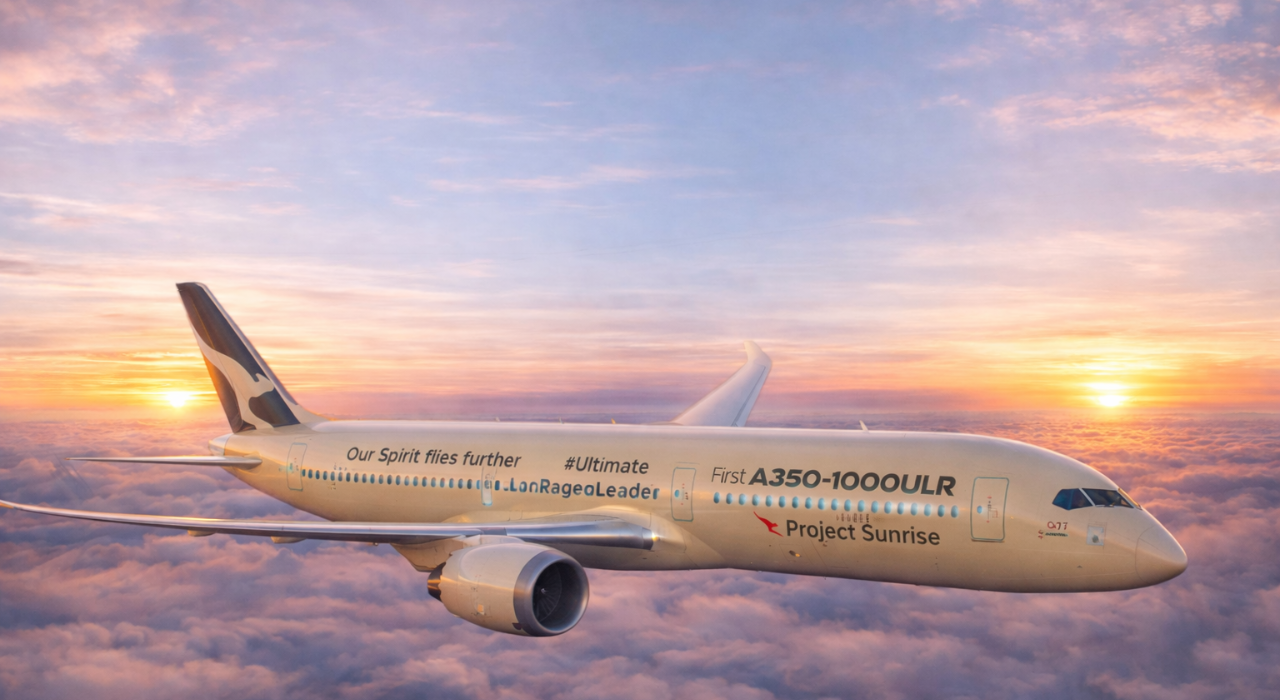
Imagine sitting in a pressurized metal tube for 22 hours straight. You’ll board a plane in London or New York, and by the time you walk down the jet bridge in Sydney, you will have seen the sun rise twice. That’s the reality of Project Sunrise, the ambitious Qantas initiative set to launch in 2026. It’s not just a long flight. It’s the longest commercial flight in history, stretching the limits of human endurance and aviation engineering.
Most people think ultra-long-haul travel is a nightmare of cramped legs and stale air. They aren’t entirely wrong. But Qantas is betting billions that they can turn this marathon into something actually tolerable. After years of delays and a global pandemic that grounded the fleet, the finish line is finally in sight. If you’re a frequent flyer, this isn’t just another route. It’s a total shift in how we move across the planet.
Why 22 Hours in the Air Changes Everything
For decades, the "Kangaroo Route" from London to Australia required multiple stops, agonizing layovers in Singapore or Dubai, and a total travel time that could easily top 30 hours. Project Sunrise deletes the middleman. By flying non-stop, travelers save about three to four hours of total travel time. That might not sound like a lot when you’re already committed to a full day in the sky, but the real value is in the lack of interruption.
No more sprinting through Changi Airport to catch a connection. No more waking up from a deep sleep because the cabin lights flicked on for a 2:00 AM landing in the Middle East. You get on. You stay on. You get off at your destination.
Qantas CEO Vanessa Hudson has made it clear that this isn't just about speed. It's about "conquering the final frontier" of aviation. The name "Project Sunrise" actually pays homage to the Double Sunrise flights operated by Qantas during World War II, which remained airborne long enough to see two sunrises. Back then, it was a necessity of war. Now, it’s a luxury of the elite and the time-crunched business traveler.
The Airbus A350-1000 is a Flying Laboratory
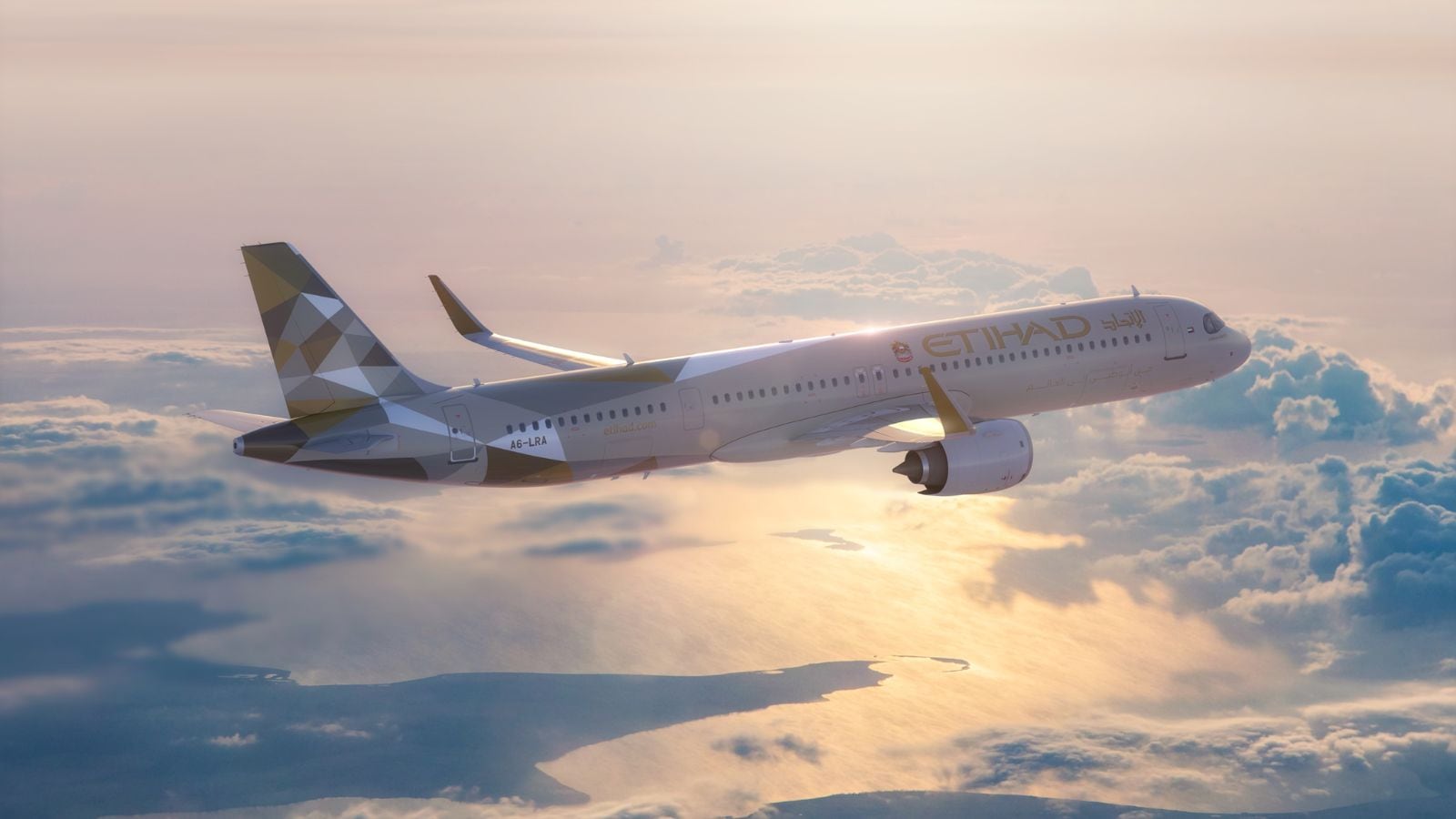
You can't just take a standard plane and fly it for 22 hours. It would run out of fuel or, frankly, the passengers would revolt. Qantas ordered a special fleet of 12 Airbus A350-1000 aircraft specifically modified for these hauls.
These planes carry an extra fuel tank to ensure they can make the 10,000-mile journey with a safety buffer. But the more interesting changes are inside the cabin. To make the weight work, Qantas reduced the passenger count. A typical A350-1000 carries over 300 people. The Project Sunrise version carries only 238.
Why? Because weight is the enemy of distance. By stripping out nearly 100 seats, the plane becomes lighter and the remaining passengers get more breathing room.
Reimaging the Cabin for Human Survival
If you’re stuck in a seat for nearly a full day, the environment matters more than the destination. Qantas worked with the Charles Perkins Centre at the University of Sydney to study how light, food, and movement affect the human body on these hauls.
- The Wellbeing Zone: This is the first of its kind. Located between Premium Economy and Economy, it’s a dedicated open space for passengers to stretch, do some guided exercises on a screen, and grab a healthy snack. It’s acknowlegment that sitting still for 22 hours is physically dangerous.
- Dynamic Lighting: The cabin lights don't just dim and brighten. They shift through specific wavelengths to trick your brain into adjusting to the destination time zone faster. It’s science-backed jet lag mitigation.
- Humidity and Pressure: The A350 is made of composite materials, which allows for higher cabin humidity and lower "effective" altitude. You won't feel as dried out or bloated as you do on an older Boeing 777.
What it Feels Like in the Cheap Seats
Let’s be real. If you’re in First Class with a separate bed and a closing door, 22 hours is a spa day. But what about Economy?
Qantas claims they’ve designed the "most comfortable Economy cabin" in the sky. You get 33 inches of seat pitch, which is about an inch or two more than standard. You also get a 13-inch 4K screen. Honestly, though, an extra inch of legroom is still an Economy seat. You’re still sleeping upright. You’re still bumping elbows with a stranger while you eat lukewarm chicken korma.
The success of Project Sunrise in Economy depends entirely on that Wellbeing Zone. If it becomes a crowded mosh pit of people trying to touch their toes, the experience will sour quickly. But if it provides a genuine escape from the seat, it’s a win.
The Jet Lag Problem
The biggest hurdle isn't the flight itself. It's what happens when you land. Crossing ten or more time zones in a single leap is a massive shock to the circadian rhythm.
Researchers found that the traditional way airlines serve food—dinner right after takeoff—is actually the worst thing for jet lag. On Project Sunrise, the meal service is timed to your destination. If you leave London at lunch but it’s breakfast time in Sydney, you might get eggs. It feels weird at the time, but it helps the body clock reset.
I’ve talked to pilots who have flown the test "research" flights. They mention that the "two sunrises" thing is beautiful, but it’s also disorienting. You see the sun go down, you sleep, it comes up, it stays up for a long time, and then it happens again. Without a strict routine, your brain simply gives up on knowing what day it is.
Is This Even Sustainable?
Critics point out that ultra-long-haul flights are carbon hogs. Carrying that much fuel just to burn it to carry more fuel is inefficient. Qantas is countering this by committing to Sustainable Aviation Fuel (SAF) for these routes. They’re also banking on the fact that one direct flight is more efficient than two shorter flights that require two takeoffs and two landings—the most fuel-intensive parts of any journey.
There is also the question of the crew. Pilots and flight attendants aren't machines. These flights require four pilots on a rotating schedule and increased rest periods for cabin crew. The logistics of managing human fatigue on a 22-hour shift are staggering.
How to Prepare for the Longest Flight of Your Life
If you’re planning to book a seat on the inaugural 2026 flights, don't just wing it. This isn't a hop from New York to London.
- Hydrate like it’s your job. The higher humidity helps, but 22 hours of recycled air will still turn you into a raisin. Drink a liter of water for every five hours in the air.
- Dress in layers. The cabin temperature will fluctuate as the plane moves through different latitudes and as the "bio-lighting" changes.
- Download everything. Don't rely on the plane's Wi-Fi or even the 1,000 hours of movies they promise. Have your own podcasts, books, and noise-canceling headphones ready.
- Use the Wellbeing Zone early. Don't wait until your legs are swollen at hour 18. Get up and move every three hours from the start.
Project Sunrise is a massive gamble. It’s a bet that people value their time more than their comfort, or perhaps that Qantas has finally found the secret sauce to making extreme distance comfortable. We’ll find out when the first "Double Sunrise" flight touches down in Sydney next year.
Check your passport expiration date now if you want to be on those first flights. The demand for the "First Flight" seats is expected to break booking records, and the prices will likely reflect the exclusivity of the experience. Get ready to see the sun rise twice. It’s going to be a long day.