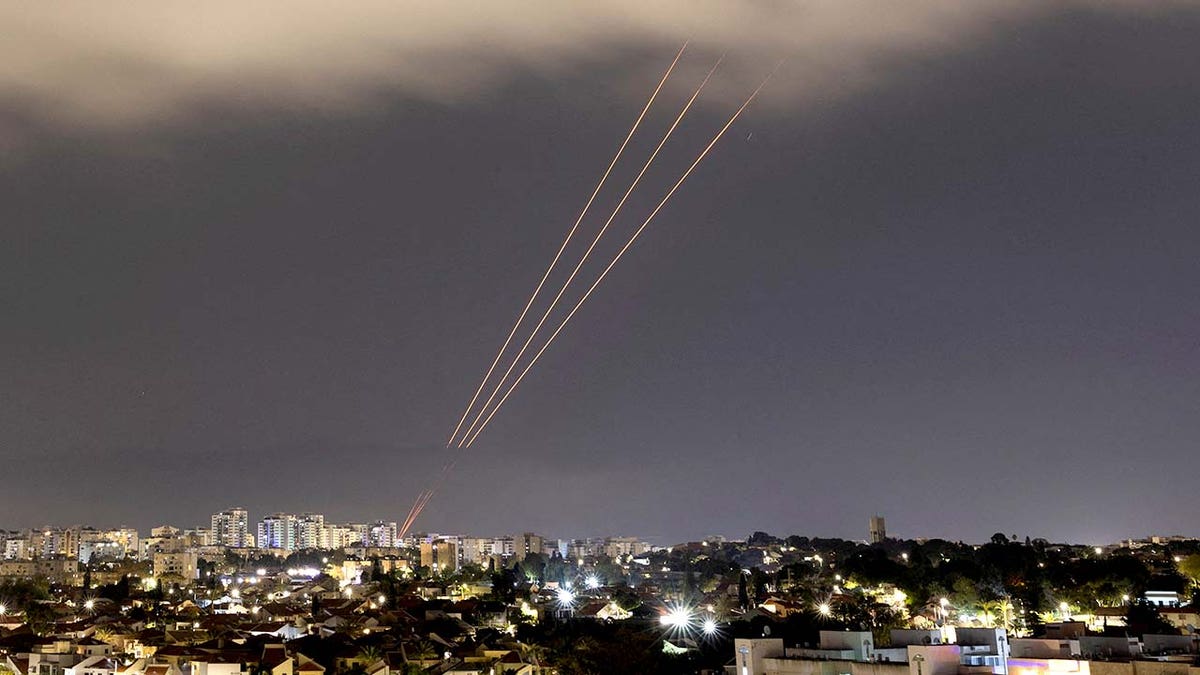
The Indian Ocean just became the most dangerous stretch of water on the planet. When news broke that Iran launched two ballistic missiles toward the joint US-UK military base at Diego Garcia, the immediate reaction was disbelief. Diego Garcia is remote. It's tucked away in the Chagos Archipelago, thousands of miles from the Persian Gulf. Most people thought it was out of reach. They were wrong.
This isn't just another flare-up in the Middle East. It’s a massive shift in how Tehran projects power. By targeting a "footprint of freedom" that serves as the backbone for US operations in the Indo-Pacific, Iran has signaled that no Western asset is safe, regardless of geography. If you've been following the tension between Washington and Tehran, you know things have been shaky. But this? This is a different league of provocation.
Why Diego Garcia is the Ultimate Target
Diego Garcia isn't just some landing strip in the middle of nowhere. It’s the crown jewel of American strategic reach. The base hosts long-range B-52 and B-2 Spirit stealth bombers. It’s a critical refueling hub and a massive naval support facility. For decades, it was considered a "sanctuary" because it sat far outside the range of most regional adversaries.
Iran's strike shatters that illusion of safety.
Reports indicate the missiles used were advanced variants of the Khorramshahr or perhaps a new iteration of the Haj Qasem solid-fuel ballistic missile. These aren't the clunky Scuds of the 1980s. They're precision-guided instruments of war. While the Pentagon claims the missiles fell into the water or were intercepted by Aegis-equipped destroyers, the message was delivered. Iran can touch the untouchable.
The Technical Reality of Irans Missile Reach
Let's talk about the math of the strike. The distance from Iran's southern coastline to Diego Garcia is roughly 4,000 kilometers. For a long time, Western intelligence agencies estimated Iranian missile ranges to be capped at around 2,000 to 2,500 kilometers. This strike suggests a massive leap in propulsion technology or, more likely, a deliberate "unveiling" of capabilities they've been sitting on for years.
The flight path alone is a nightmare for regional stability. To hit Diego Garcia, those missiles had to overfly international shipping lanes and bypass several layers of Allied missile defense.
What We Know About the Hardware
- Guidance Systems: The accuracy required to even get close to an atoll in the vast Indian Ocean is intense. We're looking at satellite-aided inertial navigation systems that don't rely on GPS, which the US could easily jam.
- Re-entry Vehicles: At these ranges, the warhead enters the atmosphere at hypersonic speeds. Keeping the electronics from frying is a high-level engineering feat.
- Mobility: Iran uses road-mobile launchers. They're hard to find and even harder to hit before they fire.
Experts from the International Institute for Strategic Studies (IISS) have long warned that the Islamic Revolutionary Guard Corps (IRGC) was prioritizing range extension. This event confirms those fears. It’s not just about Israel or Saudi Arabia anymore. It’s about the entire Western infrastructure in the Eastern Hemisphere.
The UK Connection and the Chagos Dispute
There’s a political layer here that’s just as messy as the military one. Diego Garcia is technically part of the British Indian Ocean Territory. The UK has been under immense international pressure to return the archipelago to Mauritius. Recently, London agreed to a deal to hand over sovereignty while maintaining the base for 99 years.
Iran hitting this specific spot isn't an accident. It exploits a diplomatic sore thumb. By attacking a base that is already the subject of international legal scrutiny, Tehran is poking at the cracks in the US-UK alliance. They're asking the world: why is this "colonial" outpost still there? It’s a cynical move, but a smart one.
A Failure of Deterrence
Western policy toward Iran has been a pendulum for a decade. We go from "maximum pressure" to "diplomatic engagement" and back again. This strike proves that neither approach has actually stopped the advancement of their missile program.
Honestly, we've been too focused on the nuclear deal. While we argued over centrifuges and enrichment levels, the IRGC was busy building the delivery vehicles. A nuclear bomb is useless if you can’t send it anywhere. A 4,000km-range ballistic missile, however, is a threat today, even with a conventional warhead.
The US Navy’s 5th Fleet, based in Bahrain, is now looking over its shoulder. If Diego Garcia is in range, then every carrier strike group in the Arabian Sea is a sitting duck. We’ve entered an era of "anti-access/area denial" (A2/AD) that isn't just coming from China or Russia. Iran is now a major player in that game.
The Economic Ripple Effect
You can't fire missiles into the Indian Ocean without spooking the markets. Diego Garcia sits near the lanes that carry oil from the Gulf to Asia and Europe. Shipping insurance rates are going to spike.
When insurance goes up, your gas prices go up. It’s that simple.
Maritime security firms like Ambrey and Dryad Global are already issuing advisories. We aren't just looking at a military standoff; we're looking at a potential maritime blockade by proxy. If Iran can threaten the base that protects the ships, they effectively threaten the ships themselves.
Why This Matters to You
You might think a tiny island in the Indian Ocean doesn't affect your daily life. You're wrong. The stability of the global economy relies on the "uncontested" nature of the seas. For 80 years, the US Navy has guaranteed that ships can move without being blown up.
That guarantee just got a lot weaker.
If the US has to pull resources from the Pacific or the Atlantic to defend Diego Garcia, it creates power vacuums elsewhere. It emboldens other actors. It makes the world smaller and more dangerous.
Moving Forward in a New Reality
The era of safe havens is over. Military planners have to assume that any fixed base, no matter how remote, is vulnerable to a saturation strike.
What happens next depends on the response from the White House and 10 Downing Street. A "proportional" response usually means hitting an empty warehouse in Syria or Iraq. That won't work this time. Iran just played a card that changes the geometry of the entire region.
You need to keep a close eye on the deployment of Terminal High Altitude Area Defense (THAAD) batteries to the Indian Ocean. If you see the Pentagon moving more missile defense assets to Diego Garcia, it means they know more strikes are coming.
Check the official statements from the Department of Defense and the UK Ministry of Defence over the next 48 hours. Look for mentions of "freedom of navigation" and "integrated deterrence." Those are the buzzwords that will signal how close we are to a wider conflict. If the rhetoric shifts toward "retaliatory measures," prepare for a volatile month in the energy markets.
Don't wait for the mainstream news to catch up to the technical implications. The range has changed. The rules have changed. The sanctuary is gone.