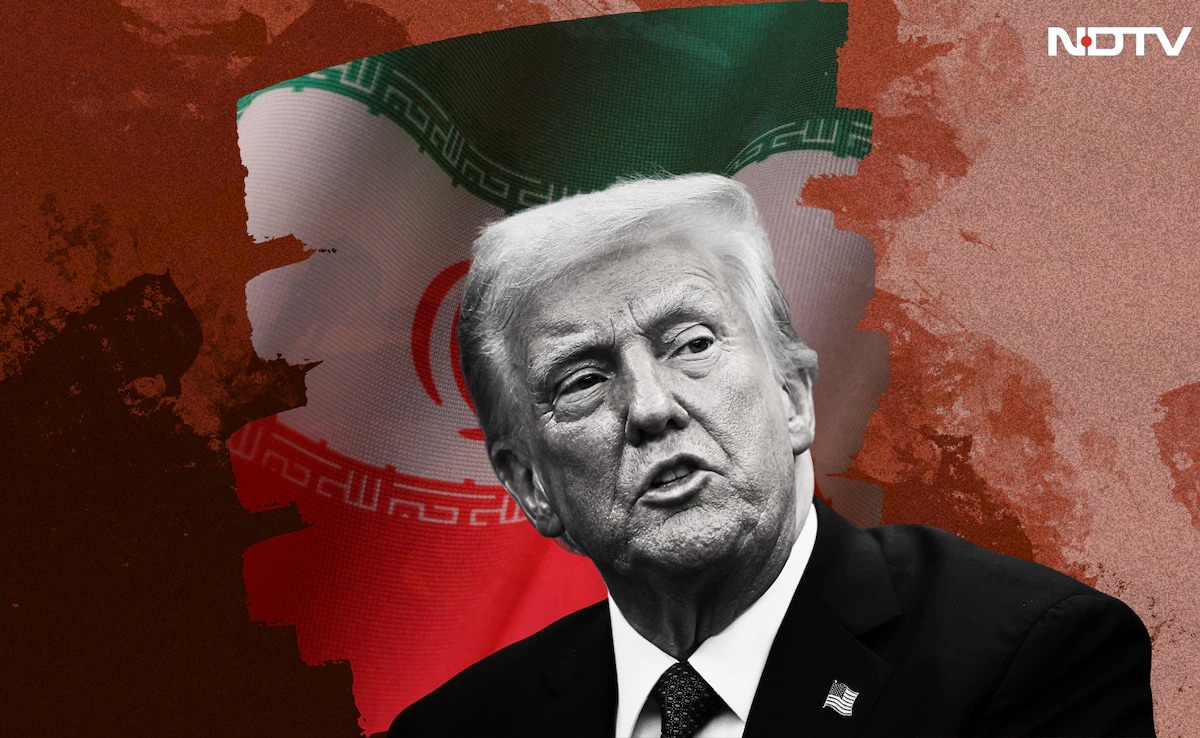
Don't let the all-caps "VERY GOOD AND PRODUCTIVE" posts fool you. This isn't a peace treaty yet. President Donald Trump just hit the pause button on a plan to "obliterate" Iran's power plants, granting a five-day reprieve that keeps the world’s energy markets from a total meltdown. It’s a classic Trump move: set a terrifying deadline, watch the pressure cook, and then offer a tiny window of breathing room right before the clock hits zero.
The core of the issue is simple. Iran has effectively choked off the Strait of Hormuz. That’s the world’s most important oil chokepoint, and with 20% of global supply stuck behind a digital and physical blockade, the global economy was staring down the barrel of $150 oil. Trump's response was a 48-hour ultimatum that was set to expire tonight, Monday, March 23, 2026. Instead of bombs, we got a five-day extension for "talks."
The Caveat That Changes Everything
The "peace" is incredibly fragile. Trump didn't just walk away; he added a massive catch. This suspension of military strikes is strictly "subject to the success of the ongoing meetings." In plain English? If the Zoom calls or back-channel meetings in Turkey don't go exactly how the White House wants by the end of the week, the target list is back on the desk.
We aren't just talking about a few transformers. We're talking about the entire Iranian energy grid. If those strikes happen, the human cost would be staggering. Iran’s power plants aren't just for lights and TikTok; they power the desalination plants that provide drinking water in a desert region. Knocking them out doesn't just hurt the military—it creates a humanitarian disaster that could trigger a massive wave of refugees.
Why the Energy Markets are Breathing Again
The moment the news hit Truth Social, crude oil prices took a dive. We saw a drop from around $113 per barrel down to just over $101. It’s a relief rally, but it's built on a foundation of sand. Traders are betting that this five-day window means a "Grand Bargain" is possible.
I've seen this movie before. The tension spikes, the rhetoric gets dialed up to eleven, and then a "breakthrough" is announced. But look at the facts on the ground. Iran's Revolutionary Guard (IRGC) isn't backing down. They’ve already threatened to hit power plants in any country that hosts U.S. bases. That means if Trump strikes Tehran, Riyadh and Dubai could go dark too.
What the Media Missed About the Five Day Window
Most outlets are focused on the "productive talks," but they’re ignoring the tactical reality. A five-day pause isn't just for diplomacy. It's for positioning.
- Logistics: The U.S. and Israel have been pounding targets since February 28. A five-day window allows for maintenance, re-arming, and repositioning carrier strike groups without the immediate pressure of an expiring clock.
- The Turkey Connection: Iranian Foreign Minister Abbas Araghchi has been on the phone with Turkey's Hakan Fidan. Turkey has played the middleman before, and they’re likely the ones who brokered this "productive" tone.
- Internal Iranian Pressure: Since the killing of Supreme Leader Ali Khamenei earlier this month, the Iranian leadership is a fractured mess. Some want to fight to the end; others are looking for an exit strategy before the country's infrastructure is turned into a parking lot.
The Escalation Nobody is Talking About
While the world looks at the power plants, the Strait of Hormuz remains a minefield—literally. Iran’s Defense Council warned today that any attempt to target their islands will lead to "mine-laying across all access routes." You don't just "un-mine" the Persian Gulf in an afternoon. That’s a multi-year cleanup project that would keep oil prices elevated even if the shooting stops.
The Reality of the "Productive" Conversations
Is Iran actually talking? Their state media says Trump "backed down." Their Foreign Ministry is officially denying that any direct negotiations are even happening. This discrepancy is dangerous. If Trump thinks he’s in a "productive" negotiation and the Iranians think they’ve successfully called a bluff, the collision on Friday is going to be twice as violent.
You have to look at what's at stake for the average person. This isn't just a "foreign policy" story. If the U.S. strikes those plants, your gas prices at the pump in Ohio or Florida will jump 30% overnight. If Iran retaliates against Gulf desalination plants, we’re looking at a water crisis for millions of people.
What to Watch Over the Next 120 Hours
The clock is ticking again. Forget the five days; the real deadline is likely Thursday night. If there isn't a concrete announcement about the Strait of Hormuz reopening by then, expect the "Department of War" (as Trump is now calling the Pentagon) to go into high gear.
Keep an eye on the following:
- Tanker Movements: Are ships actually starting to move through the Strait? If they stay anchored, the "talks" are failing.
- Turkish Diplomatic Cables: Any leak from Ankara will be more reliable than what's coming out of Washington or Tehran right now.
- The "Department of War" Rhetoric: Watch for a shift in tone from the Pentagon. If they start moving assets closer to the Iranian coast, the pause is over.
If you're invested in energy or just worried about the price of a gallon of milk, don't get comfortable. This is a tactical pause, not a peace deal. The next few days will determine if the Middle East heads toward a "total resolution" or a total blackout.
Check the shipping data in the Persian Gulf daily. If you see the volume of tankers increasing, the deal is real. If the Strait stays quiet, prepare for a very dark weekend.


