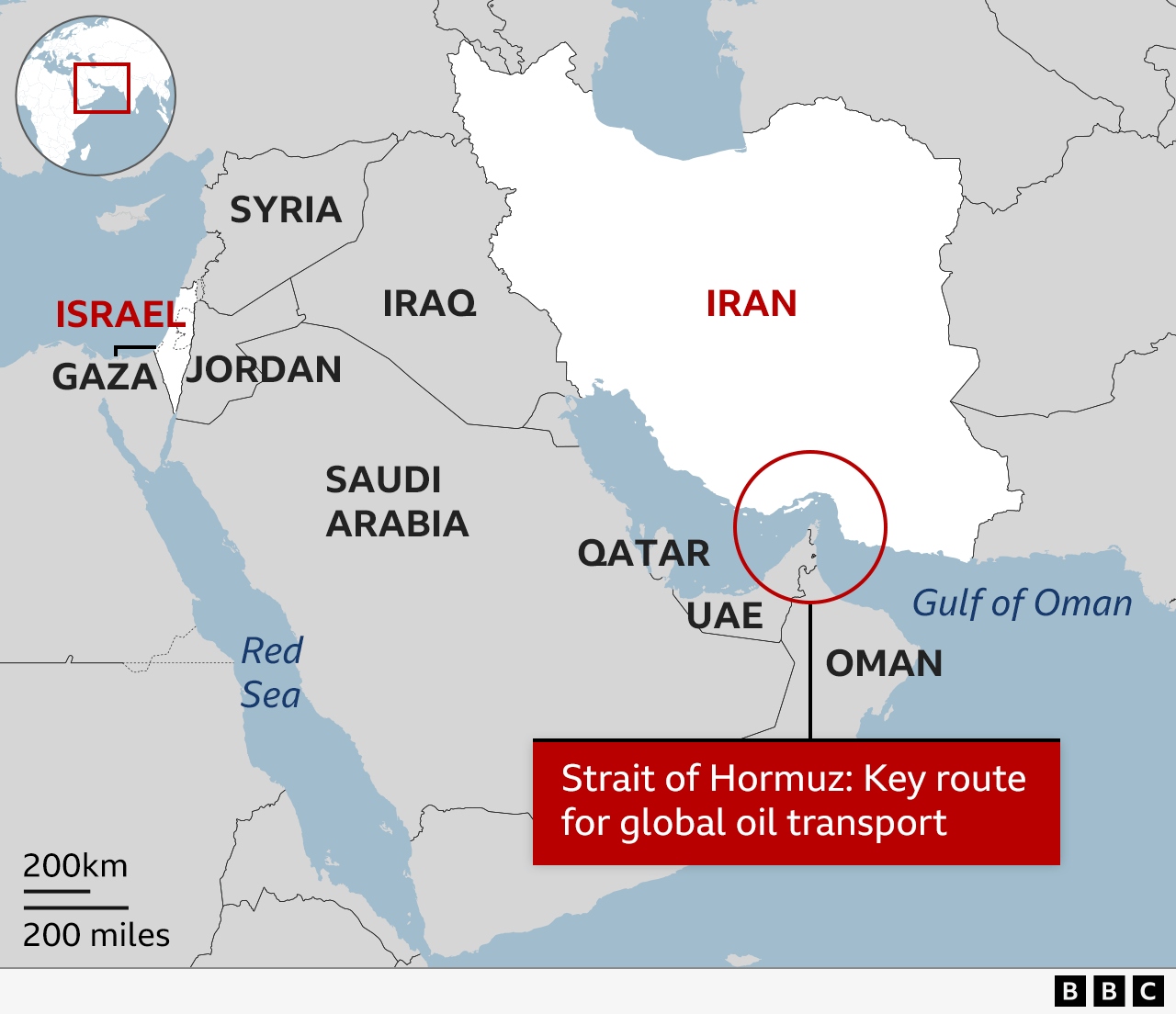
Donald Trump doesn't do "business as usual," and he certainly doesn't let a good crisis go to waste. While the Pentagon coordinates airstrikes in Iran and oil prices do gymnastics, the President is leaning on House Republicans to play hardball with the American voting system. It isn't just about security anymore; it's a "go for the gold" moment where the White House is essentially holding all future legislation hostage until it gets a total rewrite of how you cast your ballot.
I've watched political pivots for years, but this one is particularly aggressive. Usually, a president at war tries to project a sense of national unity. Instead, Trump is using the fog of the Iran conflict to push for a "Special Intensive Revision" (SIR) style cleanup of voter rolls—a move that looks a lot like the controversial verification drives we're seeing in places like India. He’s telling his party that if they don’t pass these strict new rules, they can kiss the 2026 midterms goodbye.
The SIR model and the end of the mail-in era
If you haven't heard of "SIR-type" overhauls, you aren't alone. The term stems from "Special Intensive Revision," a process used in other countries to aggressively purge voter lists. Trump’s version is a cocktail of the SAVE Act and a total ban on mail-in voting. He’s not just asking for ID; he’s demanding documentary proof of citizenship—think passports or birth certificates—just to register.
The logic from the White House is simple: the system is "sick," and only a door-to-door, document-heavy revision can fix it. But here is the reality on the ground. Most people don’t carry their birth certificates in their wallets. Experts from the Brennan Center for Justice estimate that roughly 21 million Americans don't have these documents easily accessible. If this bill passes, we aren't just talking about "cleaning rolls"; we're talking about a massive barrier to entry for millions of legitimate voters.
Why the war makes this different
War changes the math for the President. By framing the country as being under threat—specifically claiming Iran interfered in previous cycles—Trump is creating a "national emergency" vibe. It gives him the leverage to say that anything less than a total federal takeover of election standards is a threat to national security.
He told a room of Republicans in Florida that he won't sign a single other bill—not for grocery prices, not for gas, not for the Department of Homeland Security—until this election overhaul is on his desk. That’s a massive gamble. He’s betting that the public's fear of war and inflation will force the Senate's hand to bypass the filibuster.
The death of the mail-in ballot
The most radical part of this push is the near-total ban on mail-in ballots. Trump wants to limit them to a tiny slice of the population: overseas military, the disabled, and the strictly ill. For everyone else? It’s back to the long lines on a Tuesday.
This isn't just about "integrity." It's a direct attack on a method of voting that has become incredibly popular with the working class and suburban voters who can't always take four hours off to stand in line at a local gym. By forcing everyone into a single day of in-person voting, the administration is effectively choosing who has the "time" to participate in democracy.
- Proof of Citizenship: You'll need a passport or birth certificate to even get on the list.
- No More Barcodes: The plan targets machines that use QR codes or barcodes, pushing for hand-counted paper ballots.
- Federalization: The White House wants the power to override state election laws, which is a massive constitutional stretch.
A collision course with the States
The Constitution is pretty clear: states run their own elections. But Trump’s plan treats that like a suggestion. Blue states like California and New Mexico are already building "firewalls" to protect their local procedures. We’re looking at a looming legal disaster where the federal government tries to seize control of ballot boxes while state governors refuse to hand over the keys.
It’s easy to get distracted by the headlines about airstrikes near Tehran or the latest price of a gallon of gas. But the real shift is happening in the fine print of these legislative demands. The "SIR-type" overhaul isn't a minor tweak; it's an attempt to redesign the electorate itself before the first 2026 midterm vote is even cast.
If you want to stay ahead of this, check your current registration status now. Don't wait for a door-to-door auditor to tell you your birth certificate isn't on file. Verify your documents and prepare for a year where "voting early" might not be an option anymore.