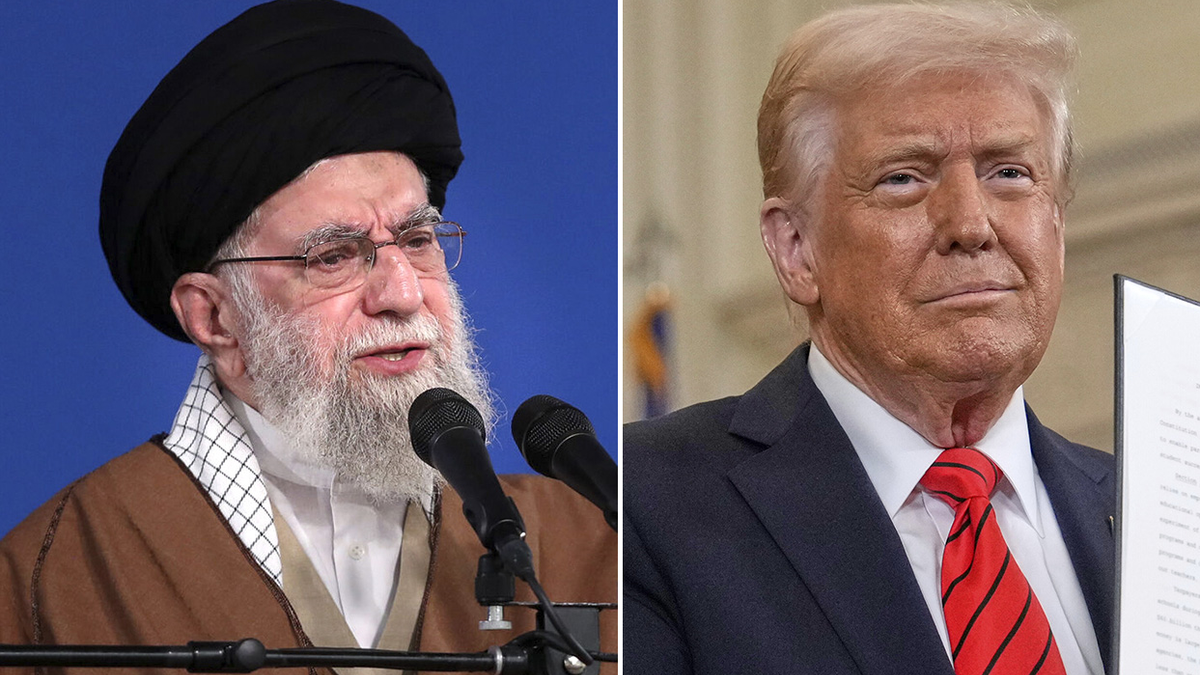
Donald Trump just flipped the script on Tehran. After weeks of escalating rhetoric that had global oil markets twitching, the President announced a sudden pause on potential kinetic strikes against Iran's energy infrastructure. It's a massive pivot. If you’ve been watching the Brent crude tickers lately, you know exactly why this matters. One missile in the wrong place sends prices to $120 a barrel faster than you can blink. Trump knows it too.
The move isn't a sign of weakness. It’s a cold, calculated play for leverage. By pulling the threat of immediate destruction off the table, the administration is trying to force a different kind of surrender at the negotiating table. He's essentially telling the Iranian leadership that their lifeblood—the oil refineries and power grids—remains intact for now, but the meter is running.
The logic behind the energy plant pause
Energy is the only thing keeping the lights on in Tehran, literally and figuratively. Trump’s previous "maximum pressure" campaign focused on sanctions. This time, the threat was physical. Military planners had reportedly been eyeing the Kharg Island terminal and various gas refineries. Taking those out doesn't just hurt the government. It cripples the country for a decade.
So why stop?
First, look at the gas pump. Every time a US President talks about blowing up Middle Eastern oil, gas prices in Ohio and Florida go up. Trump is obsessed with domestic inflation. He understands that a "win" against Iran that results in $6-a-gallon gas is actually a political loss at home. He’s balancing his hawk instincts with his "America First" economic base. It's a tightrope walk.
Second, the diplomatic backchannel is finally buzzing. Sources suggest that Swiss intermediaries have been running overtime between Washington and Tehran. This pause acts as a "clear space" for those talks to breathe. If you’re busy dodging Tomahawks, you aren't exactly focused on drafting treaty language.
What this means for global oil markets
The markets hate uncertainty. For the last month, traders have been pricing in a "war premium." This announcement acts as a vent for that pressure. We’re already seeing a slight dip in futures. But don't expect a total collapse in prices. The pause is temporary, not a peace treaty.
Investors should watch the production levels coming out of the Permian Basin and how they offset any Iranian supply shocks. Trump’s strategy relies on the idea that US energy dominance makes Iranian oil irrelevant. But that’s only half true. The world’s energy grid is interconnected. You can’t just remove a major player without ripples.
The reality is that China remains the biggest buyer of Iranian "ghost" crude. By pausing the attacks, Trump is also avoiding a direct confrontation with Beijing’s energy security. It’s a way to keep the pressure on Iran without accidentally starting a trade war with the world’s second-largest economy.
Breaking down the tactical shift
Military analysts often talk about "strategic ambiguity." Trump takes it to another level. One day he’s threatening "fire and fury," and the next he’s calling for a deal. This keeps the Iranian Revolutionary Guard Corps (IRGC) off balance. They don't know whether to hide their assets in mountain bunkers or prepare for a visit from a diplomat.
- Cyber vs Kinetic: Just because the physical bombs aren't falling doesn't mean the pressure stopped. Expect a massive uptick in Stuxnet-style cyber operations.
- Sanctions Enforcement: The Treasury Department is likely to double down on tracking the tankers that turn off their transponders in the Persian Gulf.
- Regional Alliances: Israel and Saudi Arabia are watching this pause with a mix of skepticism and relief. They want the Iranian threat neutralized but they don't want a regional inferno on their doorstep.
Honestly, the "pause" is a classic sales tactic. It’s the "takeaway." You show the customer what they’re about to lose, then you pull it back and ask, "Now, do you want to talk?" It's high-stakes poker with the global economy as the pot.
Why the energy grid is the ultimate target
Iran’s energy plants are their Achilles' heel. Their infrastructure is aging and desperately needs parts they can't get because of existing trade bans. A single sustained strike on a few key nodes could cause a nationwide blackout. That leads to civil unrest. Trump’s team knows that the Iranian people are already frustrated with the economy. A dark, cold winter is the last thing the regime wants.
The nuclear connection
We can't talk about energy plants without talking about Bushehr and the enrichment facilities. While the "pause" specifically mentions energy plants, the line between "power plant" and "nuclear site" is thin in the eyes of the Pentagon. By sparing the civilian energy grid, Trump is signaling that he’s not looking for regime collapse through total darkness—yet. He’s looking for a behavioral change regarding their nuclear ambitions.
The role of the IAEA
The International Atomic Energy Agency is caught in the middle. They need access. Trump’s pause gives the IAEA a window to get inspectors back into key sites without the fear of being caught in a crossfire. If Iran refuses access during this "lull," the pause will end very quickly. It puts the ball entirely in Tehran’s court.
Don't confuse a pause with a stop
The most dangerous mistake people make is thinking this is a permanent de-escalation. It isn't. The President’s rhetoric remains sharp. He’s simply moved his finger from the "launch" button to the "hold" button.
You should be looking at the 30-day window. If there isn't a significant move from the Iranian side—like a freeze on enrichment or a stop to Houthi proxy funding—the energy plants will be back on the target list. This is a deadline dressed up as a peace offering.
If you’re managing a portfolio or just trying to figure out if your heating bill is going to skyrocket, stay hedged. The geopolitical risk hasn't vanished; it’s just shifted shape. Keep an eye on the official statements coming out of the State Department over the next week. They’ll provide the "fine print" to Trump’s broad announcement. Watch for mentions of "compliance" and "verifiable steps." Those are the triggers for what happens when the pause timer hits zero.


