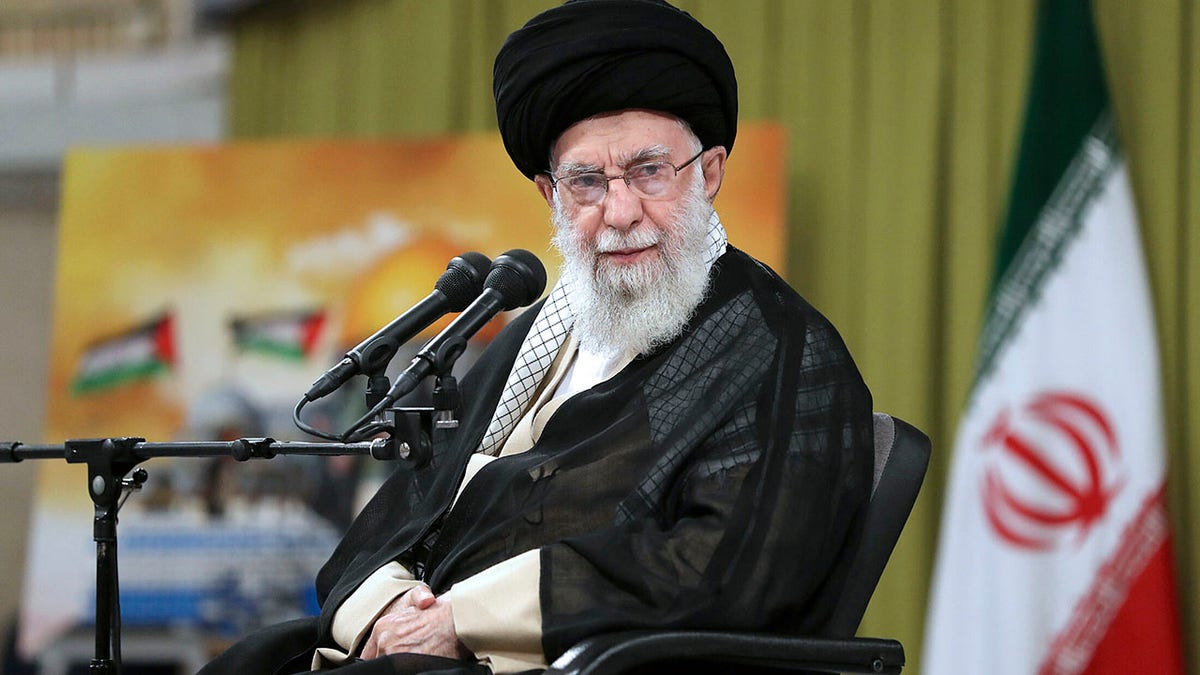
Donald Trump just blinked. Or maybe he’s playing a much longer game than we think. After a weekend of "obliterate" threats and a 48-hour ultimatum that had oil traders hyperventilating, the White House announced a five-day pause on strikes against Iranian power plants. It’s a massive tonal shift in a war that’s already three weeks deep. But here’s the kicker: while Trump was on Truth Social touting "very good and productive conversations," missiles were still hitting energy sites in Isfahan and Khorramshahr.
The disconnect is jarring. You’ve got the President talking about a "total resolution of hostilities" while Iranian media reports gas pressure stations going up in smoke. It isn't just about a missed deadline; it’s about a messy, high-stakes negotiation where the military and the executive branch aren't always on the same page. If you’re looking at your energy bill and wondering why the numbers aren't making sense, this is the reason.
The 48 Hour Ultimatum That Wasn't
Let’s be real. Trump’s Saturday threat to "obliterate" Iran’s power plants was as blunt as it gets. He gave Tehran exactly 48 hours to reopen the Strait of Hormuz or face a blackout. That deadline was supposed to expire Monday night. Instead, we got a five-day extension and a claim that talks are actually happening.
Tehran, for its part, is flatly denying there are any talks. That’s classic. They say it’s a retreat fueled by fear. But sources suggest mediators are definitely moving points back and forth. You don't just pause a "Midnight Hammer" style operation because you're bored. Something moved the needle.
- The Market Shock: Oil prices dropped over 11% the moment the pause was announced.
- The Humanitarian Angle: Experts like Richard Haass pointed out that hitting power plants is a potential war crime that would devastate the Iranian people more than the regime.
- The Retaliation Threat: Iran didn't just take the threat lying down. They promised to hit desalination plants in Bahrain, Qatar, and the UAE. In a desert region, that’s a death sentence for millions.
When Productive Talks Meet Exploding Pipelines
It’s hard to call a conversation "productive" when the smoke is still rising. Despite the five-day "postponement" of strikes against new energy targets, existing military operations haven't exactly stopped. The strikes on Isfahan and Khorramshahr on Tuesday morning prove that the "pause" is highly specific.
Trump said he instructed the Department of Defense to postpone strikes on power plants. He didn't say he was stopping the war. This is a surgical pause, not a ceasefire. The goal seems to be to keep the lights on in Tehran just long enough to see if they’ll crack.
Why the Strait of Hormuz is the Only Metric That Matters
You can't talk about this war without talking about that 21-mile-wide choke point. Roughly 20% of the world’s oil and gas flows through the Strait of Hormuz. When Iran shuts it down, the global economy starts to bleed.
- Mining the Water: Intelligence reports suggest at least a dozen Iranian mines are already floating in the strait.
- The Insurance Nightmare: Shipping companies aren't just worried about missiles; they're worried about premiums. Even if the strait is "open," if you can't insure the hull, the oil isn't moving.
- The Military Cost: U.S. Central Command says they’ve already hit over 9,000 targets. The sheer scale of this offensive is bigger than most people realize.
The Strategy Behind the Sudden Pivot
Trump’s move looks like a classic "Good Cop, Bad Cop" routine, but he's playing both roles himself. He threatens total destruction on Saturday, then offers a diplomatic hand on Monday. It’s designed to keep the Iranian leadership off-balance.
But don't mistake this for a softening of his stance. The administration still wants a five-year missile program halt and zero uranium enrichment. These are massive demands that Iran has spent decades refusing. The pause is a pressure cooker. It’s a way to say, "I have the planes fueled and the targets locked. You have five days to convince me not to push the button."
What Most People Are Missing About the Energy War
We’re focused on oil, but the real story is the regional infrastructure. If Iran follows through on its threat to hit desalination plants, the Middle East faces a drinking water crisis that no amount of military aid can fix. This is why Saudi Arabia and the UAE are likely pushing for this pause behind the scenes. They’re the ones who would lose the most in a "tit-for-tat" infrastructure war.
Honestly, the risk isn't just a higher gas price at the pump. It’s a total collapse of the systems that make life in the Gulf possible.
What You Should Watch Over the Next 72 Hours
The "five-day" clock is ticking. By the time we hit the weekend, we’ll know if this was a legitimate diplomatic opening or just a tactical reset for the next wave of strikes.
You need to watch for three things:
- Direct Confirmation of Talks: If any high-level Iranian official admits to receiving American terms, the pause might hold.
- Strait of Hormuz Traffic: Any increase in commercial shipping through the strait is a win for the U.S. strategy.
- Israeli Independent Action: Netanyahu has already said Israel "acted alone" in some of these strikes. If Israel hits a power plant while Trump is pausing, the whole diplomatic house of cards falls apart.
Keep your eyes on the oil markets. If the price starts creeping back up before the five days are over, it means the insiders don't believe the "peace talks" narrative. We aren't out of the woods yet.
If you’re tracking how this affects your portfolio, start looking at renewable energy stocks and subsea cable operators. The vulnerability of the Middle Eastern energy grid is forcing a global rethink of how we move power and data. The "energy blitz" might be on pause, but the shift in global security is permanent.