Donald Trump just launched a war that he claims will make America safer. He calls it "Epic Fury." On February 28, 2026, the sky over Tehran lit up with the glow of American and Israeli missiles. The goal? According to the White House, it's to dismantle a nuclear program that won't die and topple a regime that has "menaced" the world for 47 years. But if you look past the cinematic name and the tough-guy rhetoric, the logic falls apart like a cheap suit.
The administration wants you to believe that airpower alone can force a proud, stubborn nation into total submission. It's a fantasy. History has already shown us the receipts. Last June, during the 12-Day War of 2025, the U.S. and Israel hit the same targets. Trump claimed he "obliterated" the nuclear program then. If that were true, why are we back here eight months later dropping more bombs on the same bunkers?
The myth of the clean break
The biggest hole in the case for this war is the idea of "regime change." Trump told the Iranian people to "take over your government" while American bombs were falling on their cities. It’s an incredibly naive strategy. Toppling a government from 30,000 feet doesn't work. It didn't work in Libya, and it sure as hell isn't going to work against a regime that has spent decades hardening its infrastructure and its resolve.
When you kill a leader like Ali Khamenei, you don't magically get a pro-Western democracy the next morning. You get a power vacuum. You get chaos. You get different factions of the Revolutionary Guard (IRGC) and the regular military (Artesh) fighting in the streets. Trump’s team thinks they can "fracture" the security forces by offering them immunity. In reality, they’re just as likely to trigger a civil war that spills across every border in the Middle East.
Why the nuclear math doesn't add up
The administration argues that Iran is on the verge of hitting the American homeland with ICBMs. They say we have to strike now or face a nuclear-armed Tehran. But here's the reality:
- The Timeline: Most intelligence assessments, including those from our allies, suggest Iran is still five to ten years away from a reliable intercontinental delivery system.
- The Diplomacy: Before the strikes started, mediators in Oman were actually making progress. Iran had reportedly agreed to freeze proxy activities and allow more inspections.
- The Result: Bombing nuclear sites doesn't delete the knowledge inside the heads of Iranian scientists. It just moves the program deeper underground and gives the regime a perfect excuse to kick out every remaining inspector.
We're told this is a "defensive move." It’s actually a choice. It's a choice to abandon a diplomatic path that was finally showing signs of life in favor of a military campaign that has no clear exit strategy.
The cost of a reckless gamble
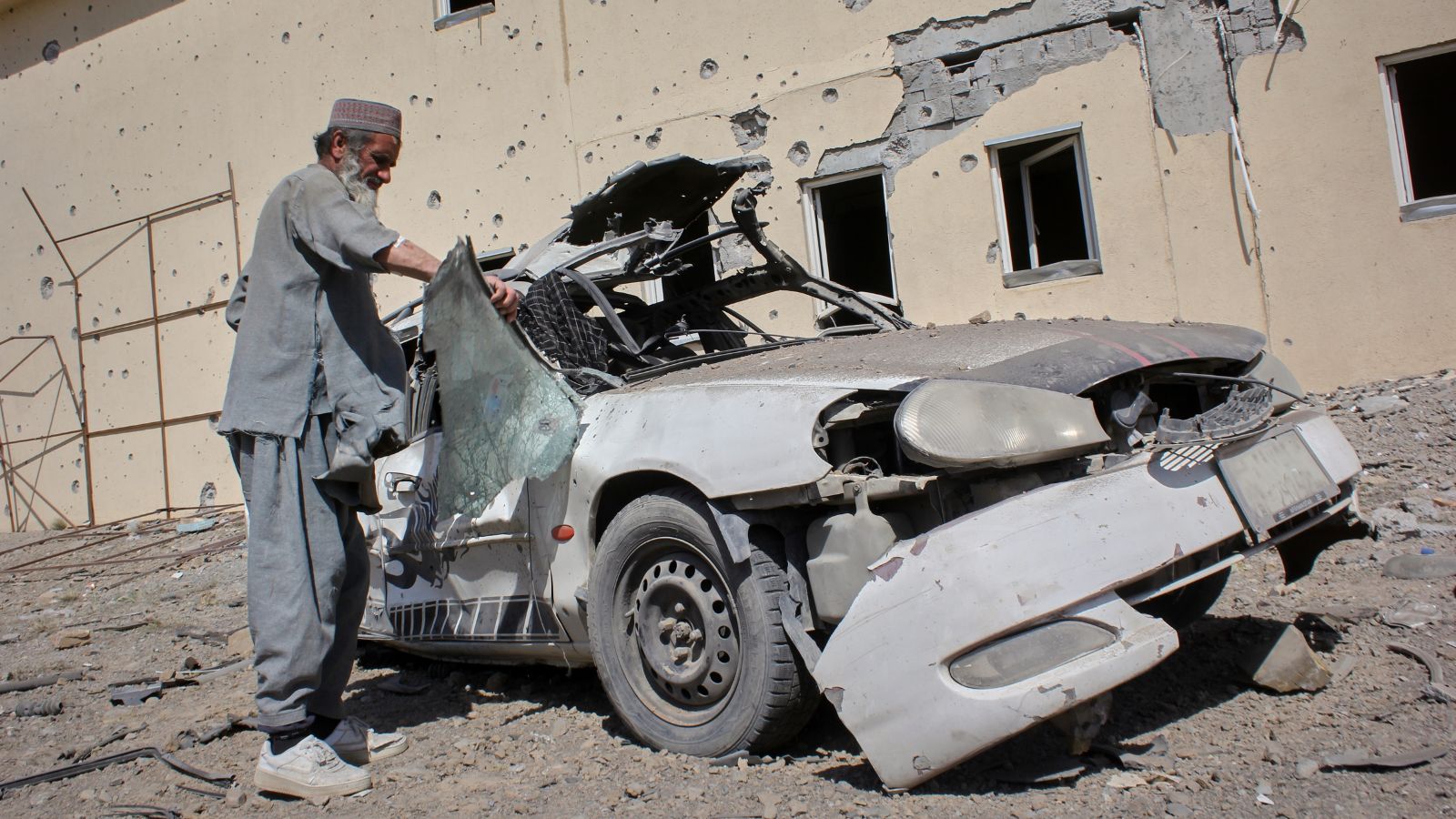
You’re already feeling the effects of this at the gas pump, and it’s only going to get worse. Iran isn't a tiny island; it's the fourth-largest oil producer in OPEC. They’ve already started hitting back, and not just at Israel. Missiles have landed near U.S. bases in Qatar and the UAE. If they decide to close the Strait of Hormuz, we aren't just looking at a "spike" in prices. We're looking at a global economic heart attack with oil potentially hitting $130 a barrel.
Then there's the legal side. Trump didn't go to Congress for this. He didn't get a UN resolution. He just acted. This sets a terrifying precedent. If the U.S. can just decide to assassinate foreign leaders and launch "major combat operations" whenever negotiations get frustrating, why should any other country follow the rules? We're effectively telling the world that international law is for suckers.
A strategy without a finish line
The administration is playing a high-stakes game of chicken with a country that has nothing left to lose. By making "regime change" the explicit goal, Trump has backed the Iranian leadership into a corner. When a regime believes its survival is at stake, they don't "lay down their arms." They fight with everything they have.
We've been here before. We've seen the "mission accomplished" banners and the promises of quick, decisive victories. But "Epic Fury" isn't a plan; it’s a temper tantrum with Tomahawk missiles. It ignores the complexity of Iranian internal politics and underestimates the regional blowback that is already starting to unfold.
If you want to see where this goes next, keep a close eye on the price of Brent Crude and the movement of the USS Gerald R. Ford. The White House says this is about peace through strength, but right now, it looks a lot more like a long, bloody, and expensive mistake.
Next steps for you:
- Monitor Energy Markets: Watch for the "Hormuz Premium" in oil prices, which could trigger a secondary wave of inflation.
- Track Congressional Response: Look for whether the War Powers Resolution is invoked to force a vote on these operations.
- Watch Regional Proxies: Keep an eye on Hezbollah and Houthi activity, as their retaliation is usually the first sign of a conflict escalating beyond a "limited" strike.