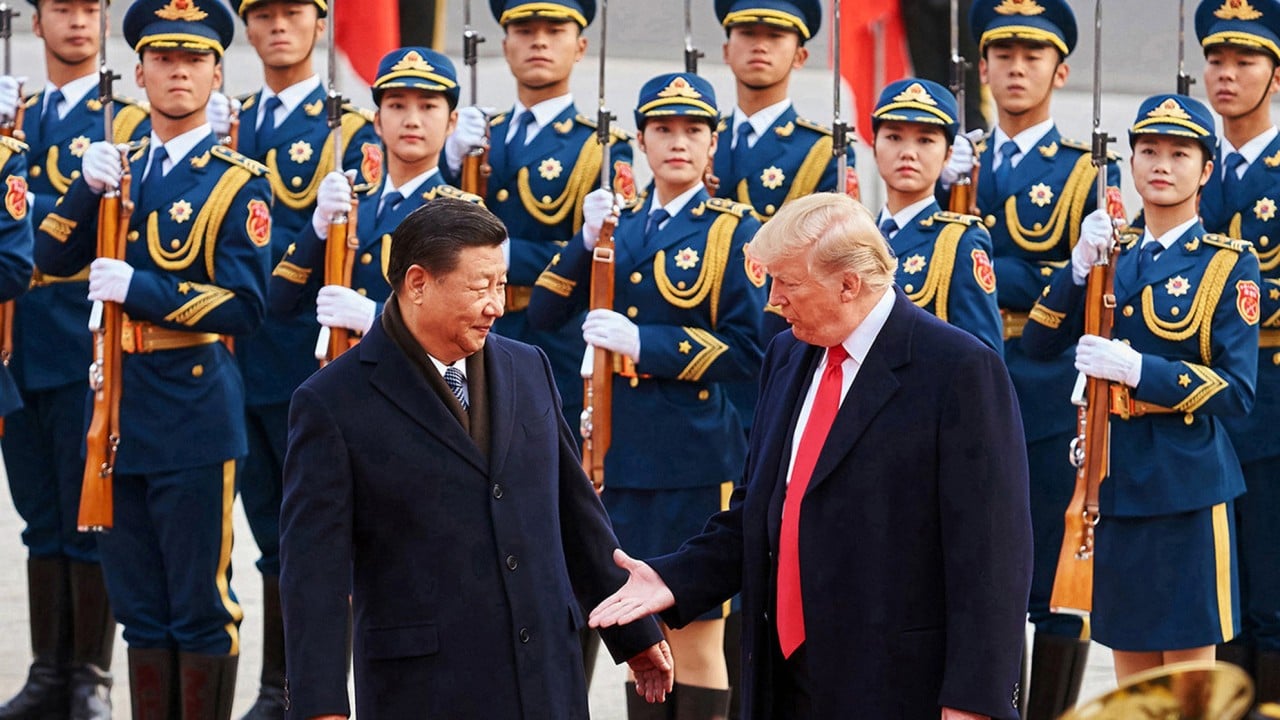
President Donald Trump just pulled the rug out from under the most anticipated diplomatic event of 2026. After months of buildup, the high-stakes summit with Chinese President Xi Jinping in Beijing—originally set for March 31—is officially on ice.
Don't buy the "logistics" excuse some officials are trying to peddle. While Treasury Secretary Scott Bessent is out here telling CNBC that the delay is about scheduling and moving parts, the reality is much more aggressive. Trump isn't just staying home because his calendar is full. He’s staying home because he’s currently in the middle of a high-stakes military gamble in the Middle East, and he wants China to pick up the tab.
The Iran conflict is the real dealbreaker
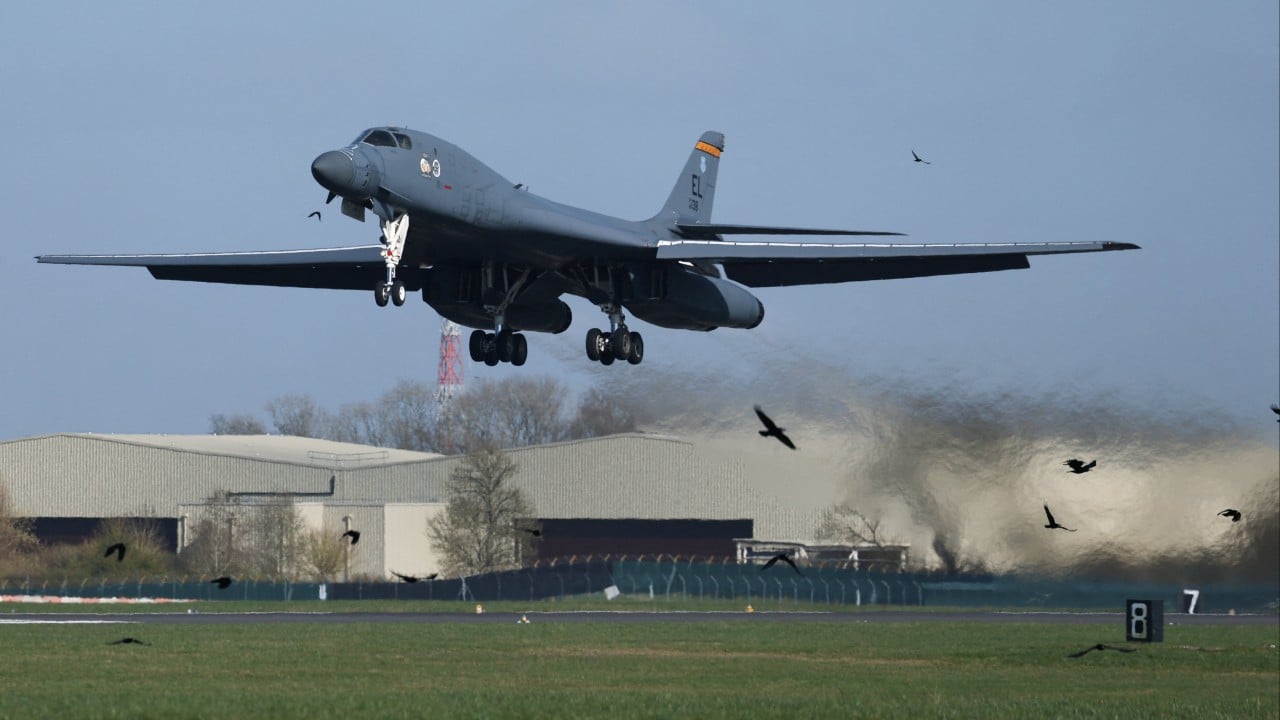
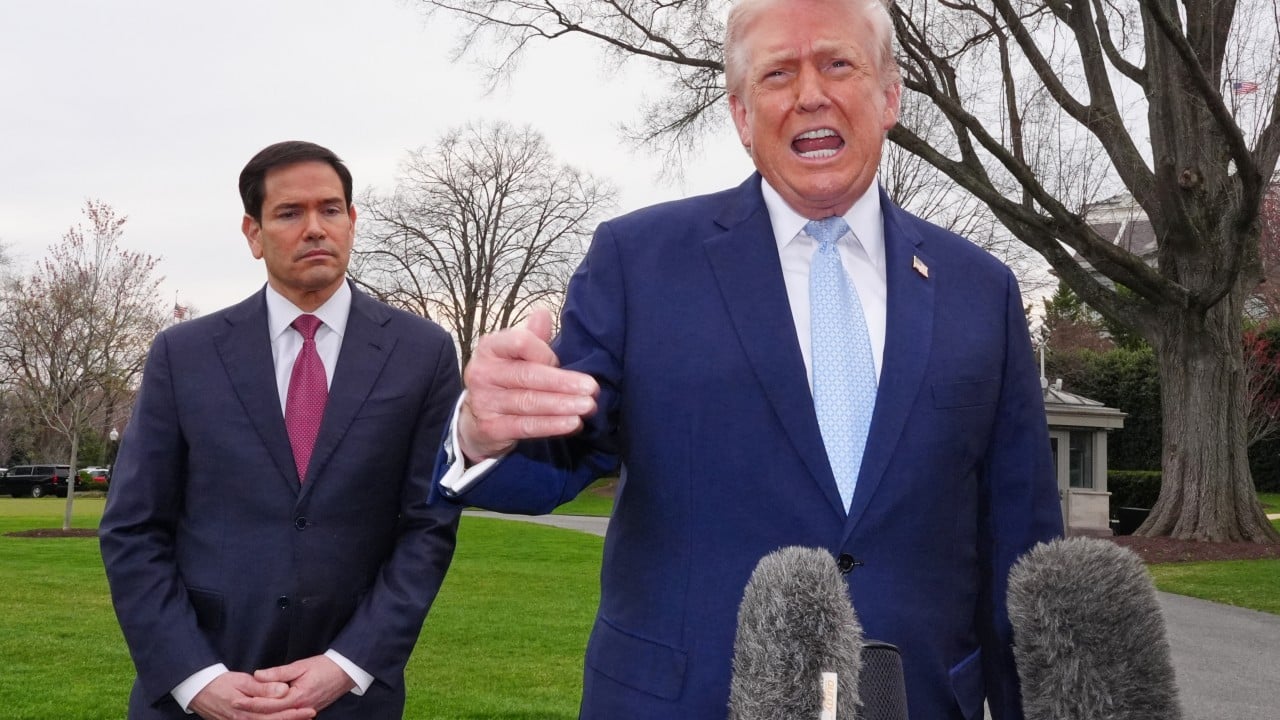
The primary reason for the delay is Operation Epic Fury. As the war with Iran enters its third week, Trump has made it clear that he isn't leaving the Oval Office while U.S. and Israeli forces are actively engaged. He told reporters on Monday, "I’d love to go, but because of the war, I want to be here. I have to be here."
It’s a classic Trump move—prioritizing the role of Commander-in-Chief over the role of global diplomat. But there’s a deeper layer to this. The war has effectively throttled the Strait of Hormuz, a narrow waterway that handles roughly 20% of the world’s oil. While the U.S. is largely energy independent these days, China isn't. China is the world's largest importer of oil, and they're feeling the squeeze of skyrocketing energy prices.
Trump is using his presence in Washington as a leverage point. He’s essentially told Beijing that if they want him to show up and talk trade, they need to start helping secure the shipping lanes that feed their own economy. In a Sunday interview with the Financial Times, he was blunt: he expects China to help unblock the strait before he travels to Beijing.
A trade truce on thin ice
The timing of this delay is particularly brutal because it follows a series of intense trade negotiations in Paris. Just days ago, U.S. and Chinese officials were trying to hammer out the details of a "Board of Trade" to manage bilateral investment. This was supposed to be the "big win" for the Beijing summit—a way to formalize the fragile truce established last October in Busan, South Korea.
By pushing the meeting back "five or six weeks," Trump is letting the tension simmer. This isn't just about a war; it's about the fact that the U.S. Supreme Court recently blocked his ability to use 1970s-era emergency laws to slap on sweeping tariffs. Now, his administration is scrambling to open new "Section 301" investigations into Chinese industrial overcapacity and forced labor.
Delaying the trip gives the U.S. more time to:
- Finalize these new legal frameworks for tariffs.
- Pressure China into massive agricultural purchases to help Trump's numbers before the midterm elections.
- Force Xi Jinping to blink on the Strait of Hormuz issue.
Xi Jinping’s quiet frustration
Beijing is playing it cool, as they usually do. Foreign Ministry spokesman Lin Jian says they are "maintaining communication," but they haven't officially confirmed the new dates. Behind the scenes, the Chinese leadership is likely fuming. They value predictability above almost everything else, and a last-minute "reset" from Washington is the opposite of that.
For Xi, the optics of this are messy. Hosting an American president while the U.S. military is "pulverizing" a strategic partner like Iran is an awkward look for a leader trying to position himself as a global peacemaker. In a way, the delay gives Beijing a breathing room to see how the conflict settles before they have to stand next to Trump for the cameras.
What actually happens next
We’re looking at a new window in late April or early May. If you’re tracking this for business or investment, don't expect a sudden resolution. The delay means the trade war remains in a state of "fragile truce" for at least another month.
Here is what you should watch for in the coming weeks:
- Strait of Hormuz activity: If China sends even a symbolic naval presence to the region, the Beijing summit is a go.
- Midterm posturing: Watch for Trump to announce big soybean or aircraft "deals" before he even lands in China to keep his base happy.
- New Tariff Filings: If the U.S. Trade Representative (USTR) drops a major Section 301 report in early April, the summit might get pushed again.
The "reset" isn't a cancellation, but it's a reminder that in 2026, foreign policy is being run from the hip. If you're planning on any major shifts in your China-reliant supply chain, wait until the first week of May. Until then, everything is just talk.