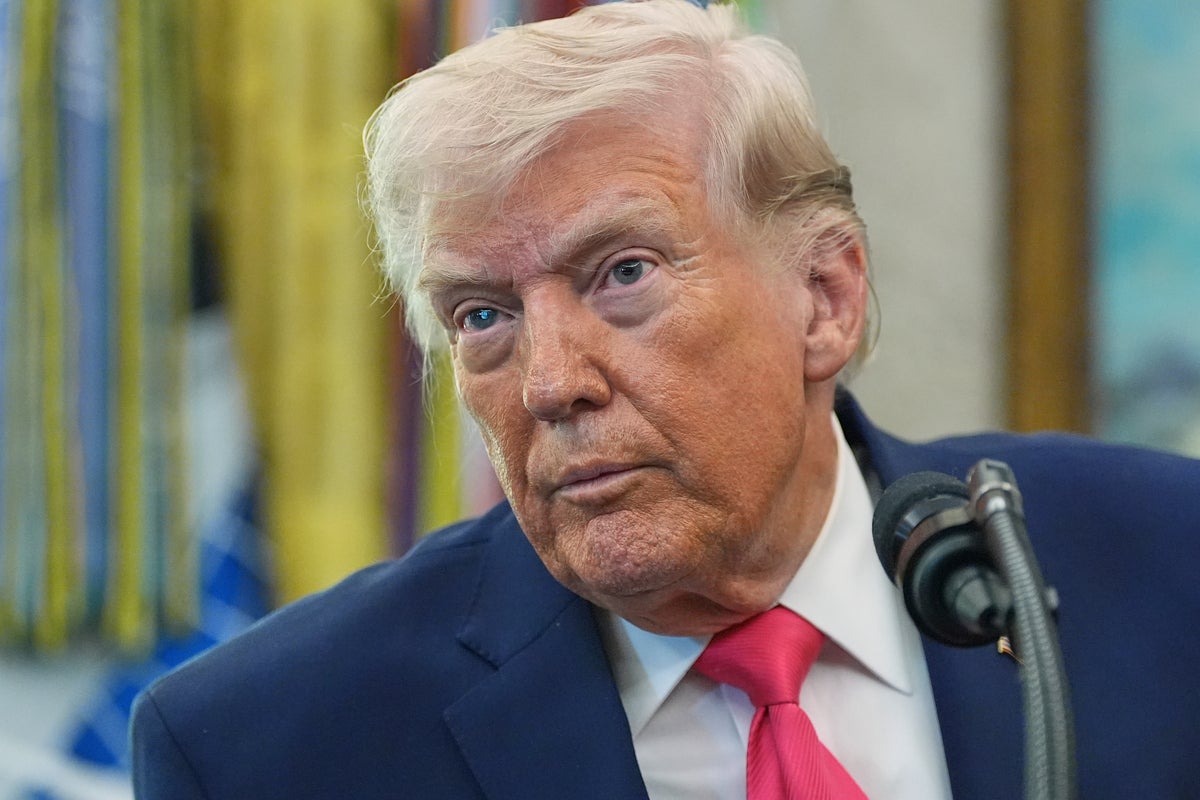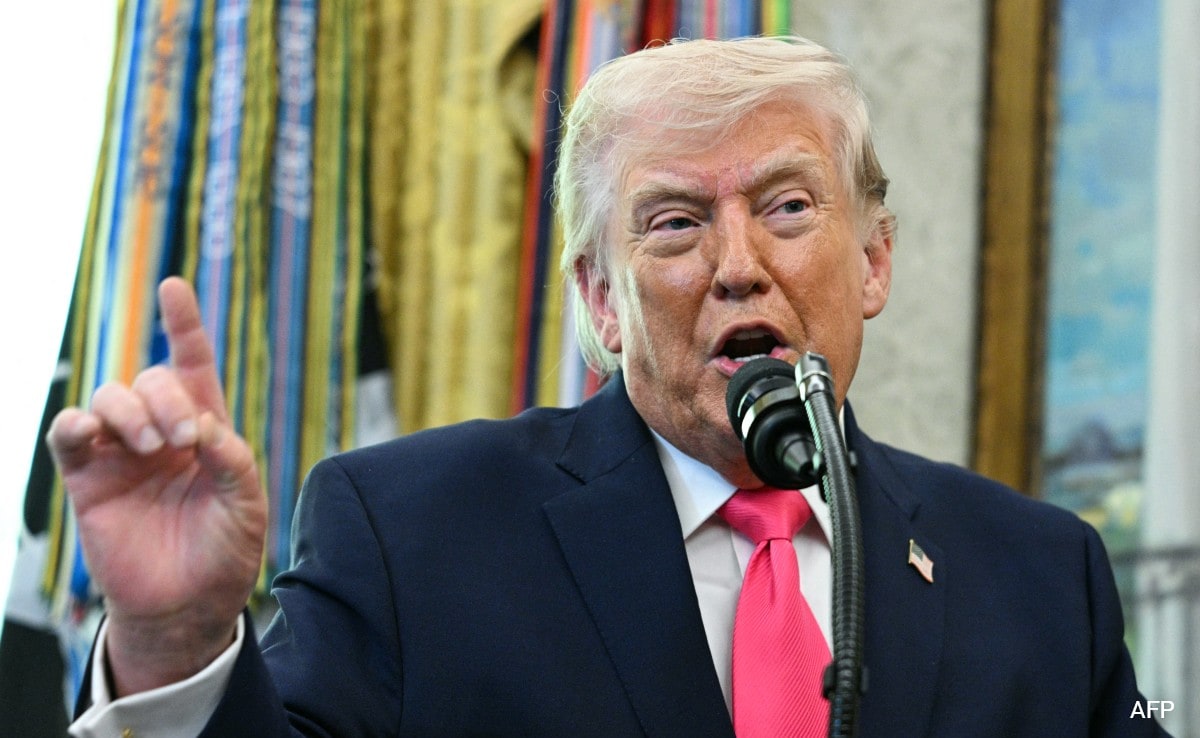
The smoke hasn't even cleared over Tehran, but Donald Trump is already taking a victory lap. Speaking at a swearing-in ceremony for the Secretary of Homeland Security on March 25, 2026, the President didn't just claim progress; he declared a total military eclipse of the Iranian regime. "We have won this," he told the room, standing firm on the idea that the Islamic Republic’s fighting force is a ghost of its former self. "Militarily, they are dead."
It’s a bold claim, even by his standards. While the Pentagon reports thousands of successful sorties, the reality on the ground is a bit more tangled than a simple "mission accomplished" banner.
The scorched earth reality of Iran's military
According to Trump, the Iranian Navy and Air Force don't exist anymore. He isn't just talking about a few sunken patrol boats in the Persian Gulf. He’s claiming a systematic dismantling of their entire defensive architecture. U.S. Central Command (CENTCOM) data backs up the scale, if not the absolute finality, of these claims. Since Operation Midnight Hammer and subsequent strikes began, the U.S. and Israel have hit over 9,000 targets.
Think about that number for a second. That’s more than 9,000 strikes on missile silos, drone factories, and command centers. Trump’s logic is simple: if you can’t defend your airspace and you can’t put a boat in the water, you aren’t a military power—you’re a target. He pointed out that American planes are "flying over Tehran" with zero resistance. To him, the fact that the U.S. can choose not to blow up a $10 billion power plant is the ultimate proof of dominance. It’s a flex of "peace through strength" where the "strength" part has already been applied.
What happened to the leadership
One of the most jarring parts of Trump's latest update is the confirmation of just how much of the old guard is gone. We aren't just talking about mid-level generals. The Supreme Leader, Ali Khamenei, was killed in the opening waves of the conflict back in late February. Trump noted that "the leadership was killed—all gone."
This has created a massive power vacuum. While the Assembly of Experts scrambled to name Mojtaba Khamenei as a successor, the U.S. isn't exactly recognizing the new management. Trump referred to a "new group" he's dealing with, implying that the regime change he initially called for has effectively happened through attrition. The people at the table now aren't the ones who started the war; they're the ones left trying to figure out how to keep the lights on.
The 15 point plan and the Pakistani pivot
Despite the "they're dead" rhetoric, the U.S. is still talking. This is the classic Trump contradiction: declare total victory while keeping a hand on the negotiating table. Washington has reportedly floated a 15-point ceasefire plan through Pakistani Prime Minister Shehbaz Sharif.
The deal is built on three non-negotiables:
- No nuclear weapons—ever.
- Total dismantling of ballistic missile infrastructure.
- A complete halt to regional proxy funding.
Iran’s new leadership supposedly gave a "very big present" in the form of oil-and-gas related concessions just today, according to the President. It's a clear indicator that the financial squeeze is hitting harder than the bombs. Oil prices have been dancing between $97 and $104 per barrel, and with global markets on edge, the pressure to sign a deal is coming from all sides—not just the military.
Why the win might be more complicated
Not everyone is convinced the war is "over" just because Trump says so. Some U.S. analysts are pointing to the resilience of Iran's deep-state structures and its asymmetrical capabilities. It’s one thing to blow up a navy on the surface; it's another thing to stop a cyber-attack or a proxy strike in a third country.
The New York Times has pointed out that while military infrastructure is gutted, the "objectives keep changing." Initially, the talk was about full-scale regime change and a nuclear-free Iran. Now, the focus is more on "neutralizing" the military. And while Trump claims they have no "missile protection," reports from the ground suggest that at least some mobile units are still operational and firing back, though at a much slower pace than before.
What to watch for next
The clock is ticking on the latest ceasefire window. Trump has delayed his ultimatum to strike Iran’s power plants, but that threat is still very much on the table. If you're following this, keep your eyes on the 82nd Airborne. Over 1,000 troops are heading to the Middle East as we speak. That doesn't look like a total withdrawal, and it suggests the U.S. is ready to stay until every last point of the 15-point plan is signed in blood.
If you're looking for signs of a real end, watch the Strait of Hormuz. When the commercial traffic starts flowing through without a "Tehran-approved" toll, you'll know the military dominance Trump claims is finally a reality on the water. Until then, we’re in a wait-and-see game of high-stakes diplomacy backed by the world's most lopsided air campaign.
.jpg?width=1200&auto=webp&trim=0%2C77%2C0%2C77)