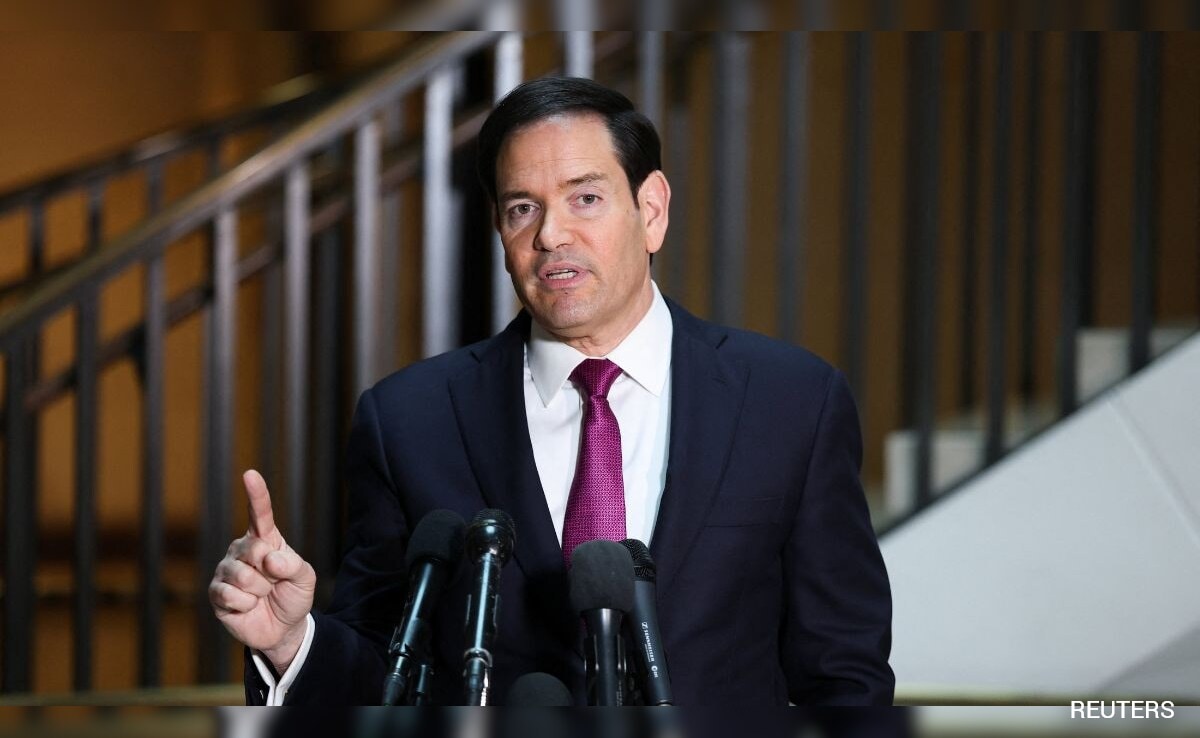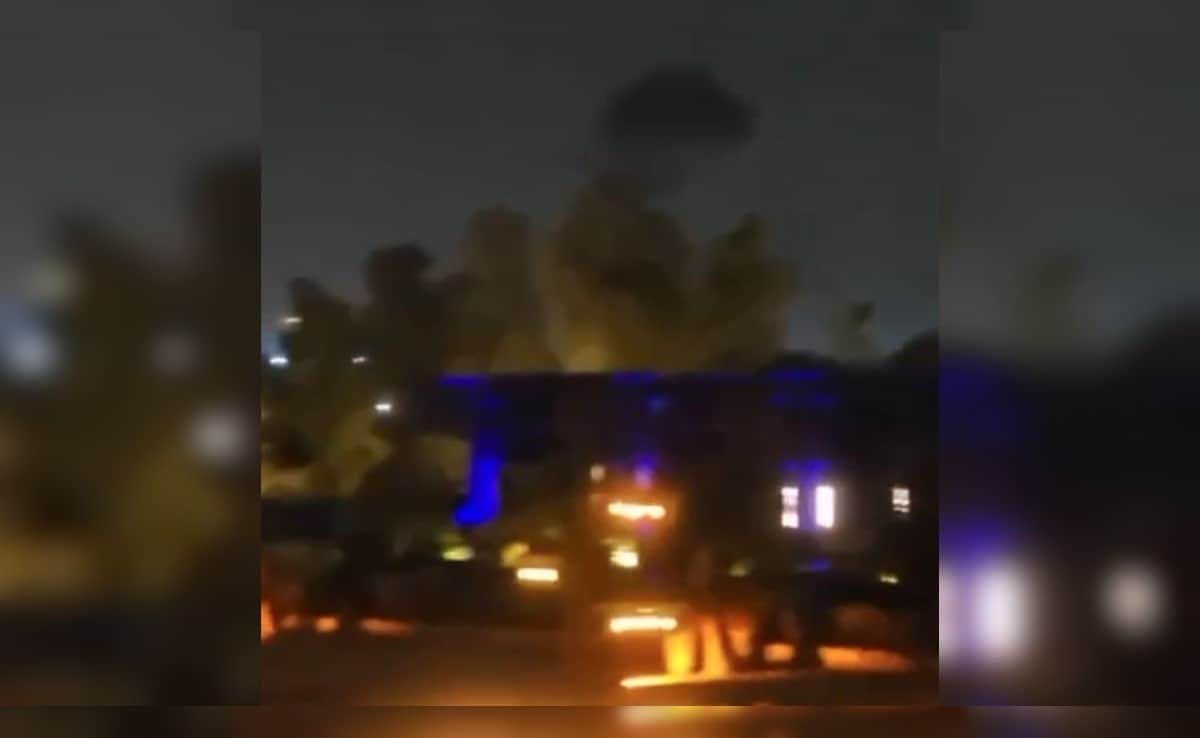
Donald Trump isn't one for diplomatic nuance, especially when American soil—or what amounts to it in a foreign capital—gets hit. After two drones slammed into the US Embassy in Riyadh, sparking fires and sending smoke over the diplomatic quarter, the message from the White House was predictably blunt. When asked how he'd respond to this escalation, Trump told NewsNation, "You'll find out soon." It’s a classic Trumpian teaser, but with three American service members already dead in this widening conflict, the stakes have moved way past reality TV suspense.
The Riyadh Strike and the Expanding Middle East Front
The attack on the Riyadh embassy wasn't an isolated incident. It’s part of a massive, chaotic retaliation from Tehran and its proxies following the massive joint US-Israeli strikes that reportedly killed Supreme Leader Ali Khamenei. While the Saudi Defense Ministry claims they intercepted four drones, at least two got through, causing what they called "limited fire and minor material damage."
I've watched these situations unfold for years, and the rhetoric usually follows a script. This time, the script is being shredded. This wasn't just a "protest" like we saw at the Baghdad embassy years ago. This was a direct aerial strike on a major US mission in a "safe" Gulf capital. It signals that Iran is willing to burn down the neighborhood to prove it’s still standing.
Beyond the Embassy Walls
The Riyadh hit is just one piece of a terrifying puzzle. Look at the map of the last 48 hours:
- Kuwait: The US Embassy there saw smoke pouring out after a direct drone hit.
- Baghdad: Pro-Iran militias tried to storm the Green Zone and targeted the Victoria logistics base near the airport.
- UAE and Qatar: Ballistic missiles were intercepted over Abu Dhabi and Doha.
- Bahrain: The home of the US Navy’s 5th Fleet has been under a barrage of dozens of missiles.
Trump is framing this as a "ahead of schedule" operation. He’s telling the public that we're inflicting "tremendous damage" and that he knows exactly when the objectives will be achieved. But when he says "you'll find out soon," he isn't just talking to the press. He's talking to the IRGC leadership—or what's left of it.
What Retaliation Actually Looks Like in 2026
When a President says "you'll find out soon," the military usually already has the coordinates locked in. People often think retaliation means "boots on the ground" or a 20-year occupation. Trump has been very clear that he doesn't want that. He’s betting on "overwhelming" aerial and cyber dominance to end this in "four to five weeks."
The "retaliation" for the Riyadh strike likely won't be a one-for-one hit. Expect the US to go after the launch sites and the supply chains that provided those drones. We aren't just looking at hits inside Iran anymore. The US is increasingly forced to look at the "Axis of Resistance" nodes in Iraq, Syria, and Yemen that are actually pulling the triggers.
The Problem With Tactical Ambiguity
The danger here—and what most analysts are worried about—is that "you'll find out soon" creates a vacuum. In that vacuum, every proxy group in the Middle East starts guessing. If the US doesn't strike back hard and fast, it looks weak. If it strikes too hard, it risks a total regional meltdown that shuts down the Strait of Hormuz for good. Already, Saudi Arabia's Ras Tanura refinery has been hit, and oil markets are twitching.
Managing the Risk to Americans Overseas
If you’re an American in the region, the "find out soon" phase is the most dangerous time to be there. The State Department isn't playing around this time. They’ve already ordered non-emergency staff out of Bahrain, Jordan, and Iraq.
In Riyadh, Jeddah, and Dhahran, the embassy has issued "shelter in place" notifications. This isn't just a suggestion; it's a response to the fact that the "limited fire" at the embassy could have easily been a mass casualty event if the drones had hit the residential quarters during peak hours.
What You Need to Do If You're in the Region
- Check your STEP enrollment. If you aren't in the Smart Traveler Enrollment Program, the State Department can't find you when things go south.
- Verify your passport. Make sure it’s got at least six months of validity. You don't want to be stuck at a border because of an expiration date.
- Stockpile basics. If the "retaliation" Trump is hinting at triggers a larger closure of airspace or ports, supply chains in the Gulf will snap instantly.
Trump’s "it’s part of war" comment to NewsNation was a sobering reminder. He’s essentially told the American public to buckle up. The days of "proportional response" seem to be over. We’re in a period of maximum pressure meeting maximum pushback.
Stay tuned to the official State Department alerts and avoid any areas with a heavy police or military presence. When the "retaliation" comes, the backlash from local proxy groups will be immediate and likely uncoordinated, which makes it even harder to predict.
Keep your emergency kits ready and ensure all communication devices are charged. If you are in Saudi Arabia or the UAE, monitor local news channels and the "US Embassy Riyadh" social media feeds for immediate "shelter in place" orders.