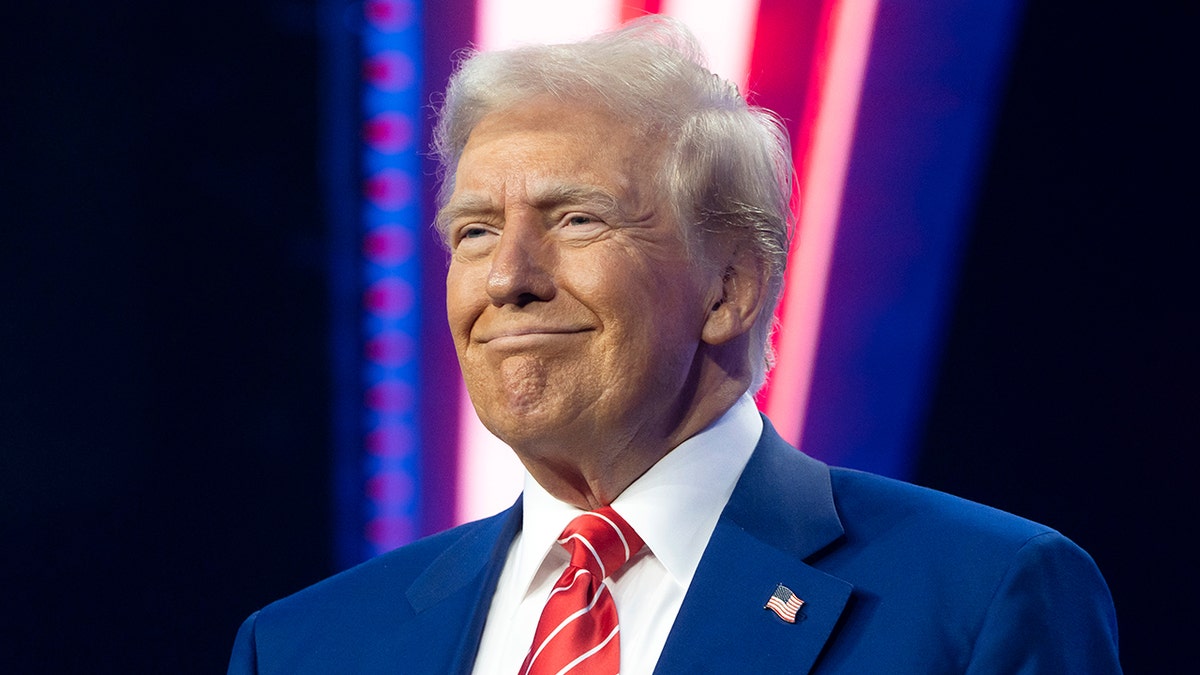
The foreign policy establishment is having another collective meltdown over a clip from 1987. They see a younger, less-filtered Donald Trump telling Oprah Winfrey that America should have let the Middle East fight its own wars or, failing that, "taken the oil." The media treats this like a relic of barbarian thinking. They frame it as a crude misunderstanding of international law or a transactional fluke.
They are dead wrong. Recently making news in this space: Finland Is Not Keeping Calm And The West Is Misreading The Silence.
The "lazy consensus" among the beltway elite is that American military intervention should be a high-minded exercise in "regional stability" and "securing global commons." We spend trillions of dollars and thousands of lives to act as the world’s unpaid security guard, ensuring that energy flows freely to our economic competitors like China. We take the bill; they take the barrels. Trump’s 1987 stance wasn't a gaffe. It was a cold, hard assessment of the "Protection Racket" model of geopolitics that the United States has been running—at a massive loss—for seventy years.
The Myth of the Global Policeman
The standard narrative suggests that the U.S. presence in the Persian Gulf is a benevolent necessity. If we aren't there, the straits close, prices spike, and the world ends. This is the logic of a hostage situation, not a superpower strategy. Additional insights regarding the matter are covered by Associated Press.
When Trump argues that we should "go in and grab the oil," he is attacking the core hypocrisy of the Carter Doctrine. In 1980, Jimmy Carter declared that any attempt by an outside force to gain control of the Persian Gulf region would be regarded as an assault on the "vital interests" of the United States. We committed ourselves to being the guarantor of Middle Eastern stability.
But look at the ROI.
Since the 1980s, the U.S. has spent an estimated $8 trillion on "forever wars" and regional policing. During that same period, we transitioned from being energy-dependent to being the world’s largest producer of oil and gas. Yet, we still behave as if we are a supplicant to the House of Saud. We provide the hardware, the intelligence, and the boots on the ground to protect oil fields that fuel our rivals.
If you own a security company and you spend more on gas and ammo to protect a client than the client pays you in fees, you aren't a businessman. You’re a philanthropist. And in the world of nation-states, philanthropy is just another word for decline.
Resource Realism vs. Liberal Institutionalism
The "experts" claim that "taking the oil" is a war crime under the Geneva Conventions (specifically regarding pillage). This is the "high-ground" argument used to justify why we can spend $2 trillion in Iraq and leave with nothing but a debt-to-GDP ratio that would make a third-world dictator blush.
Let’s apply some brutal honesty. When a nation invades another to "spread democracy" or "remove WMDs," and the result is a vacuum filled by hostile actors (like ISIS or Iranian proxies), the moral high ground is underwater. Trump’s 1987 argument was an early iteration of Resource Realism. It posits that if the U.S. is going to break a region, it must at least secure the assets required to pay for the reconstruction and the cost of the intervention itself.
Consider the alternative we chose: we "liberated" Iraq, allowed their oil contracts to be auctioned off to Chinese and Russian state-owned firms, and then sent American taxpayers the bill for the security that allowed those firms to operate safely.
This isn't "international order." It’s strategic masochism.
The Cost of Staying "Relevant"
I have watched policy wonks in D.C. argue that "influence" is more valuable than tangible assets. They claim that by protecting the oil flow without owning it, we maintain a seat at the table.
I’ve seen the balance sheets. "Influence" doesn't pay for the healthcare of veterans. "Influence" doesn't rebuild the Rust Belt. When the 1987 interview resurfaces, the media laughs at the simplicity of the "grab the oil" line. But they ignore the underlying truth: America’s current foreign policy is a massive wealth transfer from the American middle class to foreign energy cartels and the military-industrial complex.
The Three Flaws of the Establishment Approach:
- The Subsidy Trap: By securing the Persian Gulf, the U.S. effectively subsidizes the energy costs of every other nation on earth, including those actively working to undermine American hegemony.
- The Sovereignty Illusion: We pretend we are protecting "sovereign nations," but these nations often use the wealth we secure for them to fund ideologies and movements that are diametrically opposed to our own.
- The Sunk Cost Fallacy: We stay because we have already spent so much. We think that leaving—or demanding a direct cut of the resources—would "damage our reputation."
The 1987 Vision as a Blueprint for 2026
If we look at the current escalation between Israel and Iran, the 1987 Trump logic is more relevant than ever. The old guard wants to "de-escalate" by offering billions in sanctions relief or playing a delicate game of diplomatic chess.
The contrarian view? You don't win a game of chess against a regime that is playing a game of "King of the Hill."
Iran uses its oil wealth to fund the "Axis of Resistance." The U.S. response has historically been to protect the shipping lanes so Iran can continue to sell that oil to China, while simultaneously trying to "contain" them with rhetoric. It’s a schizophrenic policy.
If the U.S. had followed the "Take the Oil" (or at least the "Control the Revenue") strategy decades ago, the Iranian Revolutionary Guard Corps would be a local police force, not a regional hegemon. By decoupling the resource from the regime, you remove the oxygen from the fire. Instead, we have spent forty years trying to negotiate with the fire while handing it more wood.
Why "Transactional" Is a Compliment, Not an Insult
The biggest criticism of the 1987 interview is that it makes American foreign policy "transactional."
Good. It should be.
The era of the "ideological crusade" is over. The idea that we can export Jeffersonian democracy to cultures that haven't had a Renaissance is a fantasy that has died in the mountains of Afghanistan and the deserts of Anbar. A transactional foreign policy is an honest one. It tells the world: "We will help you, but it will cost you. We aren't your bodyguards; we are your partners, and partners pay their share."
Critics argue this would turn the U.S. into a mercenary state. This is a misunderstanding of power. A state that uses its power to enrich its citizens and secure its future is a functional state. A state that uses its power to perform "policing actions" for the benefit of a "global community" that mocks it is a state in its twilight.
Dismantling the "Pillage" Argument
Let’s address the legalistic pearl-clutching. Is it "pillage" to demand compensation for securing a resource that would otherwise be destroyed or seized by a local warlord?
Imagine a scenario where a city is on fire. The fire department shows up, puts out the fire, and saves the multimillion-dollar mansion. The owner then refuses to pay the taxes that fund the fire department, and the city goes bankrupt. Is the city "pillaging" if it puts a lien on the house? No. It’s called a service fee.
The Middle East has been on fire for a century. The U.S. has been the fire department. Asking for the oil isn't theft; it’s an invoice for forty years of back-taxes that the world owes us for keeping the lights on.
The Brutal Reality of Energy Independence
The real reason the 1987 interview scares the establishment is that it highlights how little we actually need the Middle East now. In 1987, we were vulnerable. In 2026, we are the titans of shale.
The "Stability at all costs" crowd is terrified that if the American public realizes we can survive—and thrive—without policing the Gulf, their entire raison d'être vanishes. They need the "volatility" to justify their budgets. They need the "threat" to justify their carrier groups.
Trump’s "Take the oil" line is the ultimate threat to the Blob because it suggests that the U.S. should act in its own naked self-interest rather than the interest of an abstract "order" that no longer serves the American worker.
Stop asking if "taking the oil" is moral. Ask why it is "moral" to send twenty-year-olds from Ohio to die for a pipeline that services a factory in Shenzhen. Ask why it is "moral" to rack up trillions in debt to protect the profit margins of Aramco.
The 1987 interview wasn't a sign of Trump's "instability." It was a sign that he was the only person in the room willing to admit that the Emperor has no clothes, and the Emperor is currently paying for the privilege of being naked.
The status quo isn't a strategy. It's a habit. And it’s a habit that is bankrupting the country. If we aren't going to get anything out of being the world's policeman, it's time to turn in the badge and go home.
If the world wants its oil protected, let them send their own sons. Or, let them pay the bill in barrels. Anything else is just sophisticated suicide.


