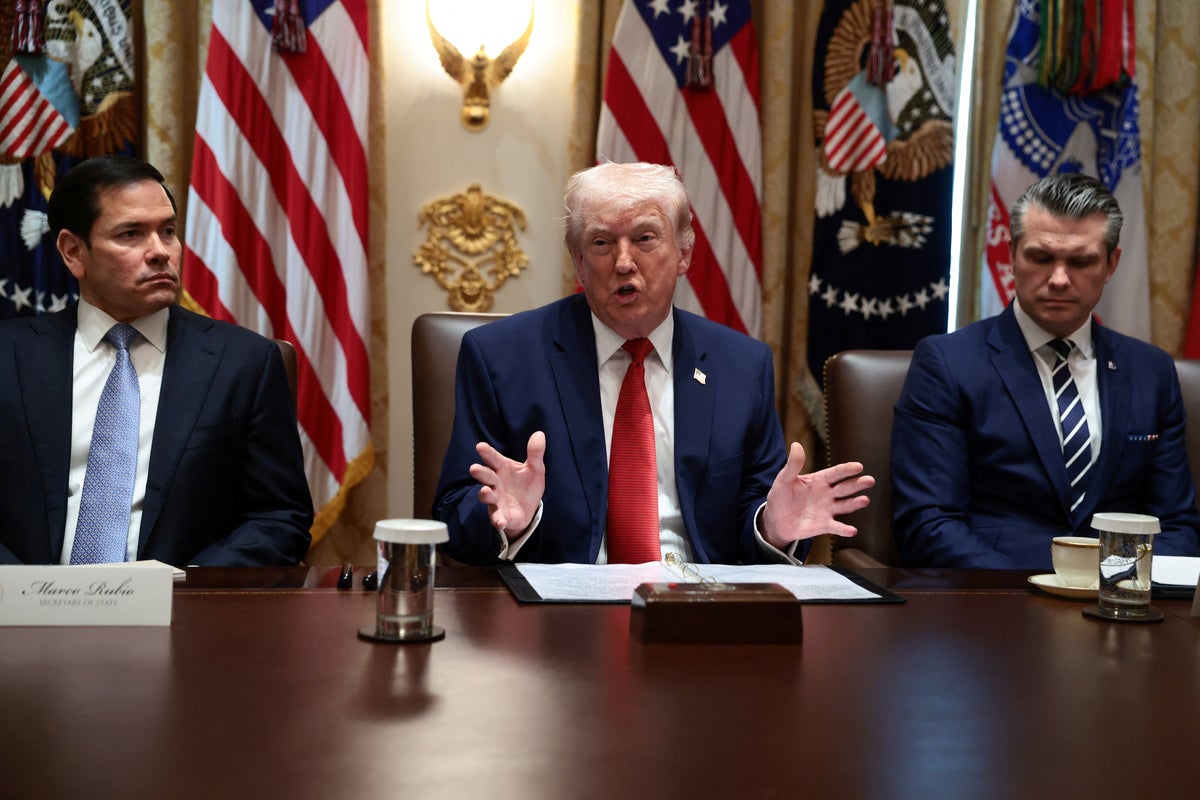
The honeymoon is officially over—if it ever actually started. President Donald Trump just took to Truth Social to air some seriously dirty laundry regarding the North Atlantic Treaty Organization (NATO). In a move that's surprised absolutely nobody who’s followed his "America First" trajectory, he claimed the alliance has done "absolutely nothing" to help the U.S. as tensions with Iran reach a boiling point in March 2026.
It’s a blunt assessment. It’s also a direct challenge to the very foundation of Western military cooperation. While the beltway pundits are clutching their pearls, the reality on the ground is that the U.S. is currently carrying the heavy lifting in "Operation Epic Fury," while European allies seem content to watch from the sidelines.
The breakdown of the Hormuz coalition
The core of the frustration stems from the Strait of Hormuz. For those who need a refresher, this narrow waterway is the world's most important oil chokepoint. Roughly a fifth of the world’s petroleum passes through here. When Iran effectively shut it down on March 2, the global economy felt the heart attack immediately.
Trump's logic is simple: if Europe and Asia depend on this oil, why is the U.S. Navy the only one paying the bill to keep the lights on? He’s been pushing for a "Hormuz coalition" to reopen the shipping lanes, but the response from Brussels has been a lukewarm "we’ll get back to you."
The President isn't just venting; he’s pointing out a massive structural flaw in the current alliance. While NATO was built to stop Soviet tanks from rolling into West Germany, it’s proving remarkably rigid when it comes to modern maritime security in the Middle East. Trump’s "paper tiger" comment might sting, but when the UK and France spend weeks "discussing" plans while American sailors are in the line of fire, he’s got a point.
Why the allies are dragging their feet
To understand the friction, you have to look at how the war started. This isn't a NATO-sanctioned mission. The U.S. and Israel launched strikes on February 28, 2026, after intelligence suggested a "target of opportunity" too good to pass up—a meeting of Iran's top leadership. The fallout was immediate: Supreme Leader Ali Khamenei was killed, and the region spiraled.
European leaders like German Chancellor Friedrich Merz have been quick to distance themselves. Their argument? "This is not NATO's war." They view the conflict as a unilateral American move that they weren't consulted on. They’re worried about:
- Energy Prices: A prolonged conflict drives gas prices through the roof in Europe.
- Refugee Waves: Chaos in Tehran usually leads to migration toward the EU.
- Diplomatic Overreach: Many still believe the JCPOA (the nuclear deal) could have been saved.
But here’s the kicker: even if they didn’t vote for the war, they’re still reaping the consequences of the closed strait. Trump’s "absolutely nothing" comment highlights the hypocrisy of allies who want the security of global trade without the "messy" military commitments required to maintain it.
The 5% GDP ultimatum
Trump isn't just complaining about Iran; he’s using the crisis to squeeze the alliance on its budget. During the recent summit, he successfully pushed for a hike in defense spending to 5% of GDP. That’s a massive jump from the previous 2% target that many countries were already failing to hit.
He’s basically told the alliance: "Pay up or we’re out." In his latest posts, he even hinted that he doesn't need Congress to leave NATO, despite the legal hurdles in his way. It’s a high-stakes game of chicken. He’s betting that the threat of a U.S. withdrawal will force Europe to finally take a lead role in the Middle East.
What the "NATO-ME" concept actually looks like
Back in 2020, Trump floated the idea of "NATO-ME"—expanding the alliance to include Middle Eastern partners. In 2026, this idea is back on the table with a vengeance. The administration wants a security architecture that includes:
- Direct patrolling of the Persian Gulf by European navies.
- Intelligence sharing that isn't just a one-way street from the CIA to the BND.
- Regional "burden sharing" where Saudi Arabia and the UAE take more responsibility.
What happens if NATO stays quiet?
If the alliance continues to sit on its hands, the "special relationship" is headed for a divorce. We’re already seeing the U.S. look for "off-ramps" through mediators like Pakistan, bypassing traditional European diplomacy entirely.
The immediate next step for the administration is likely a unilateral move on Kharg Island—Iran's primary oil export terminal. If the U.S. puts boots on the ground there, and NATO still refuses to provide even logistical support, expect the rhetoric from the White House to shift from "disappointed" to "definitively done."
The takeaway is clear: the era of the U.S. acting as the world’s free security guard is over. Whether you love Trump’s tone or hate it, the "absolutely nothing" tweet is a signal that the transatlantic status quo is dead.
If you're following this, keep a close eye on the shipping insurance rates in the Gulf. They’re the real barometer of whether anyone believes a "Hormuz coalition" is actually coming to the rescue. Don't wait for a formal NATO statement; watch the movement of French and British destroyers. If they don't move soon, the alliance might not survive the summer.