The ticker tape in Hong Kong and Seoul is lying to you. As of this morning, April 1, 2026, Asian markets are throwing a victory parade because Donald Trump promised to "leave" the Iran conflict in two to three weeks. The Hang Seng is up, the Kospi is surging, and the collective sigh of relief from regional fund managers is audible from space.
They think the "War of 33 Days" is over. They think the supply chain nightmare is ending. They are dead wrong.
What the "lazy consensus" of the financial press calls a "rally," I call a liquidity trap. Buying into this bounce ignores the brutal mechanics of how Trump-era foreign policy actually functions. When this administration says "we’re leaving," it doesn’t mean peace is breaking out; it means the bill is being handed to someone else. In this case, that "someone" is the very Asian economies currently celebrating their own impending bankruptcy.
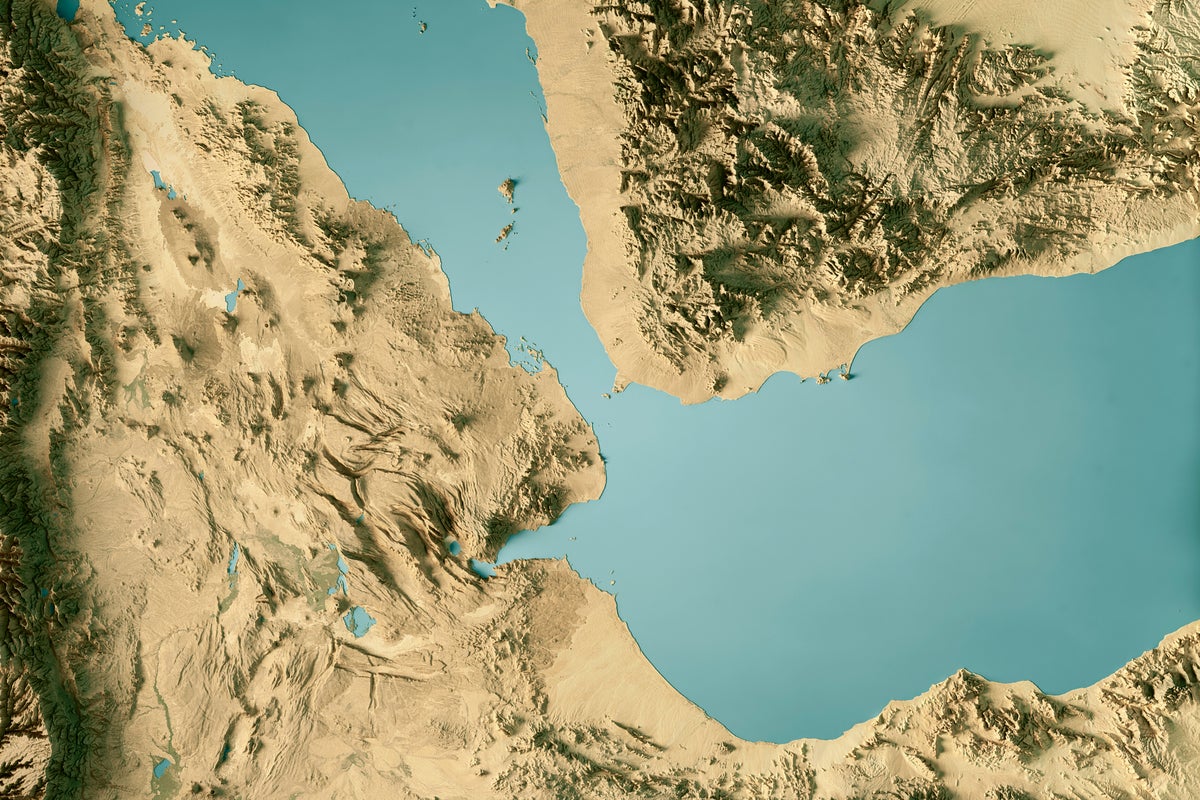
The Strait of Hormuz is Your New Liability
The competitor headlines are obsessed with the cessation of hostilities. They missed the most explosive sentence Trump uttered late Tuesday: "Go get your own oil."
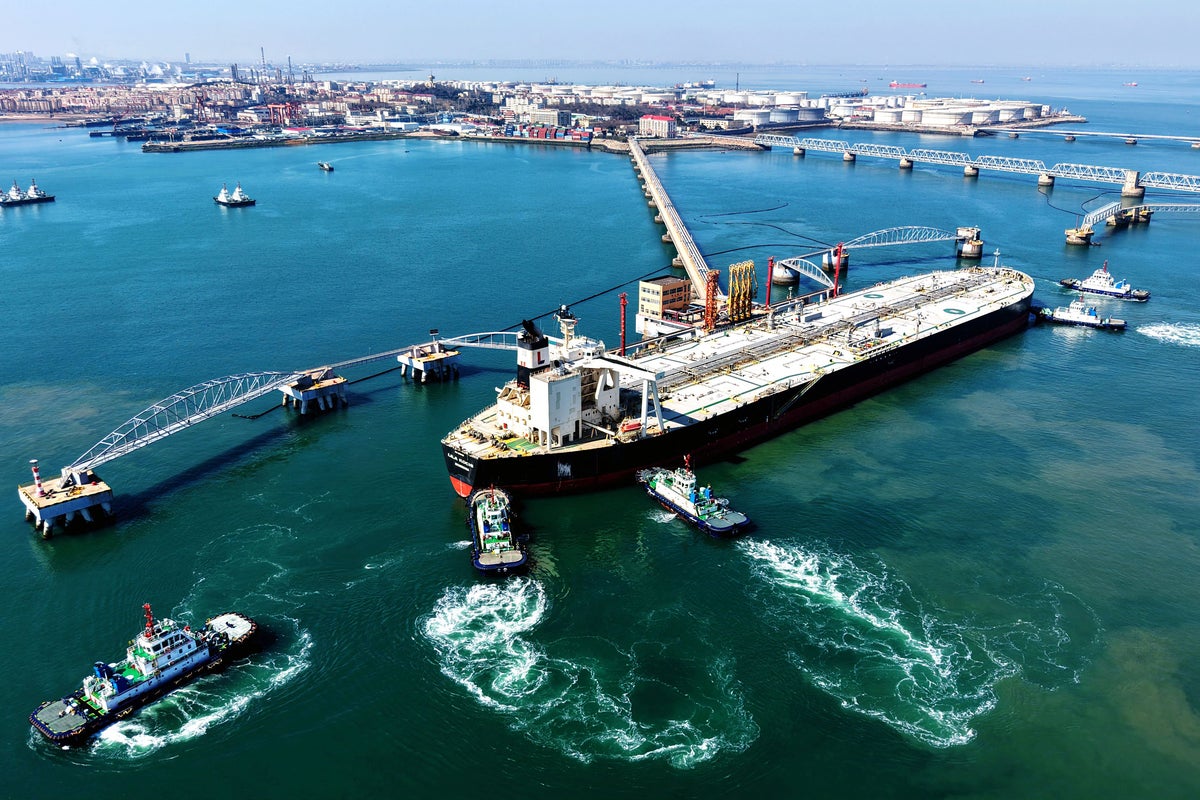
For decades, the U.S. Navy has acted as the world’s most expensive, tax-funded security guard for the Strait of Hormuz. By signaling a withdrawal in "two or three weeks" without a signed, verified treaty from Tehran, the U.S. is effectively privatizing the security of the world’s most vital energy chokepoint.
If you are a refiner in Ulsan or a manufacturer in Guangdong, your "cheap" energy just became a logistical nightmare.
- Insurance Premiums: Lloyd’s of London isn't going to lower rates because the U.S. left. They are going to triple them because the "policeman" went home.
- Naval Escorts: China, Japan, and South Korea will now have to burn billions in defense spending to escort their own tankers.
- The Power Vacuum: Iran’s Revolutionary Guard hasn't backed down. While Trump talks about leaving, Tehran is arresting "spies" and threatening tech firms.
The market is pricing in the end of a war. It should be pricing in the beginning of a permanent, high-cost security tax on every barrel of Brent crude heading East.
The Mirage of the "Quick Exit"
I’ve seen this movie before. In 2019, it was the "imminent" withdrawal from Syria. In 2021, it was the chaotic exit from Afghanistan. Every time a populist leader promises a "two-week" window for a military exit, the geopolitical friction increases, it doesn't decrease.
The current rally assumes that a withdrawal equals stability. But look at the data the mainstream media is ignoring. On the same day Trump made his announcement, Iranian-backed drones hit fuel storage in Kuwait. A tanker was struck off the coast of Qatar.
This isn't the behavior of a regime ready to shake hands and go back to the status quo. It’s the behavior of a regime that smells blood in the water. If the U.S. pulls back its carrier strike groups before a deal is inked, Iran won't stop; they will expand their influence over the regional infrastructure that Asia depends on.
Why the "15-Point Proposal" is a Fantasy
Wall Street is whispering about a secret 15-point peace plan. But if you listen to Iranian Foreign Minister Abbas Araghchi, he’s not even looking at the paper. He’s telling Al Jazeera that Tehran is prepared for "at least six months" of war.
There is a fundamental disconnect between the American desire for a "fast" exit and the Middle Eastern reality of a "slow" victory. When Trump says "we’re done," he means the U.S. is washing its hands of the conflict. He doesn't mean the conflict has disappeared.
In a vacuum of U.S. power, who fills the gap?
- China: They will be forced to take on the role of regional peacekeeper, which adds a massive new cost to their already overstretched domestic budget.
- Israel: They are already intercepting missiles from Yemen. If the U.S. leaves, Israel doesn't—they escalate.
- Russia: They will use the distraction to solidify their energy ties with Tehran, making Asian nations even more dependent on a volatile, sanction-heavy supplier.
Stop Buying the "Peace Rally"
The conventional wisdom says that when war ends, stocks go up. It’s a simple, linear logic. But this isn't the end of a war; it’s a shift in the burden of the war.
Asian stocks are rallying on a lie. They are pricing in the "peace dividend" without acknowledging the "risk premium" that follows. Here is what is actually going to happen over the next 14 to 21 days:
- Energy Volatility: Oil isn't going back to $60. It’s staying above $100 because the "peace" is fragile and unverified.
- Freight Costs: Shipping from the Persian Gulf to the Pearl River Delta is about to become the most expensive trade route on the planet.
- Regional Insecurity: Without the U.S. to "guarantee" the Strait, expect more "unknown projectiles" to hit tankers.
If you are a trader, this isn't the time to go long on Asian industrials. It’s the time to hedge against the absolute chaos of a post-American Middle East.
The Brutal Reality for Manufacturers
Think about the electronics you’re assembling in Vietnam or the cars you’re building in Tokyo. Your margins are already razor-thin. If your energy costs rise by even 10% because of "security surcharges" and insurance spikes, your 2026 earnings are dead.
The competitor's article wants you to feel good about a green screen on your Bloomberg terminal. I want you to look at the reality of a global energy supply chain that just lost its only reliable security guard.
The "War of 33 Days" isn't ending. It’s just entering a new, more expensive phase where the U.S. stays home and Asia picks up the tab.
Sell the rally. Buy the gold. Prepare for a very long, very expensive summer.
The U.S. isn't leaving the war; they're leaving you with the bill.