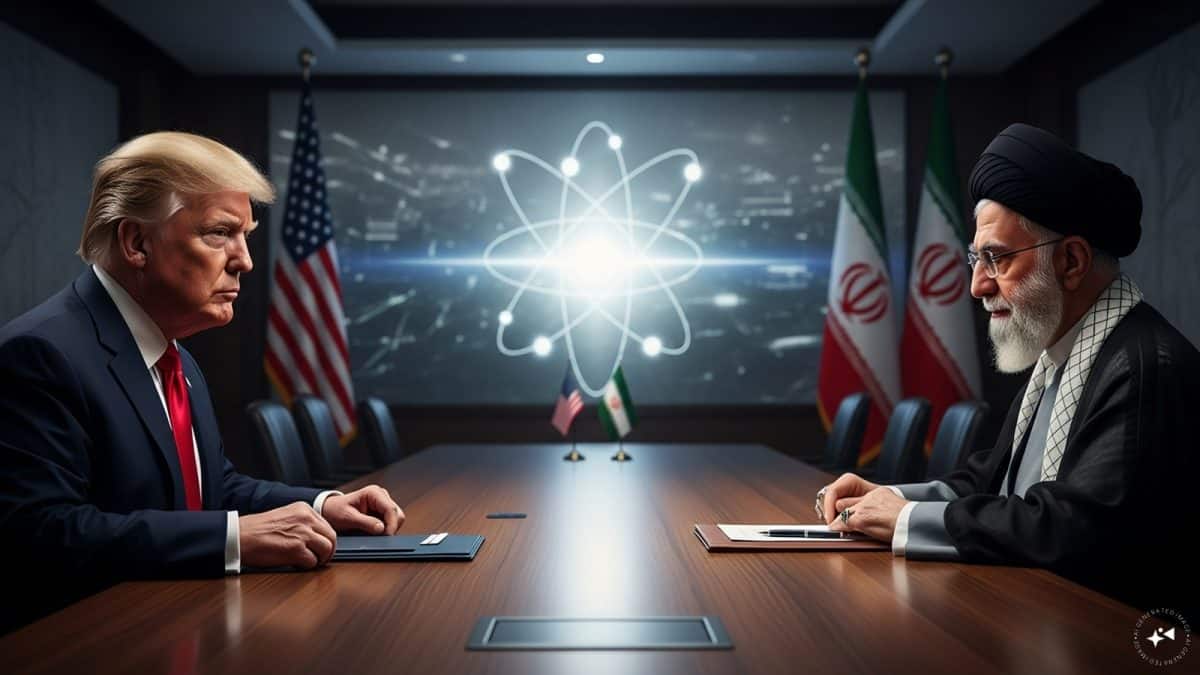
The cycle is predictable. High-stakes nuclear negotiations between the United States and Iran start, and almost immediately, Washington hits Tehran with another wave of sanctions. It happened in 2017, and we are seeing the exact same playbook unfold in early 2026. If you are wondering why these moves happen while diplomats are supposedly trying to find a peaceful resolution, you aren't alone. It’s basically the definition of "maximum pressure" diplomacy.
The White House isn't trying to build goodwill here. They are trying to squeeze. By targeting Iran’s ballistic missile program, drone manufacturing, and its "shadow fleet" of oil tankers, the U.S. is signaling that it won't allow a nuclear deal to become a free pass for other aggressive behavior.
The logic behind the pressure
You might think these sanctions ruin any chance of a deal. The reality is more complicated. The administration views these sanctions not as a barrier to negotiations, but as a mandatory tool to force Tehran to the table. Think of it like this: if Iran isn't feeling the economic pain, why would they ever agree to limit their missile development or curb their regional influence?
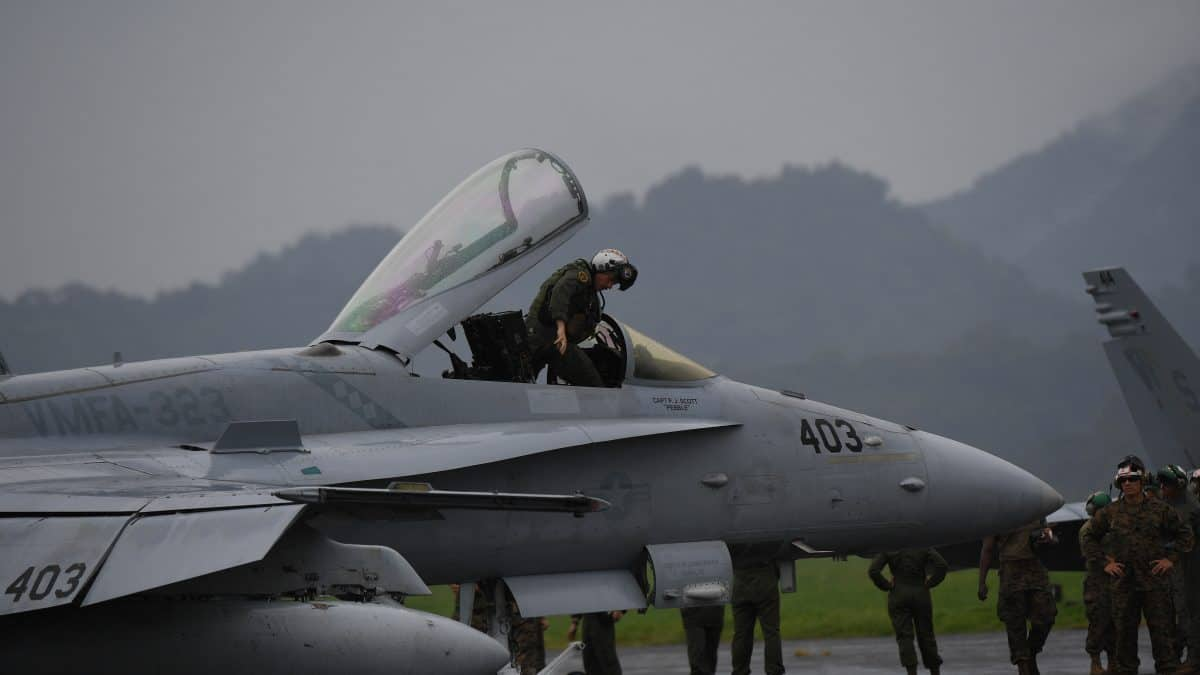
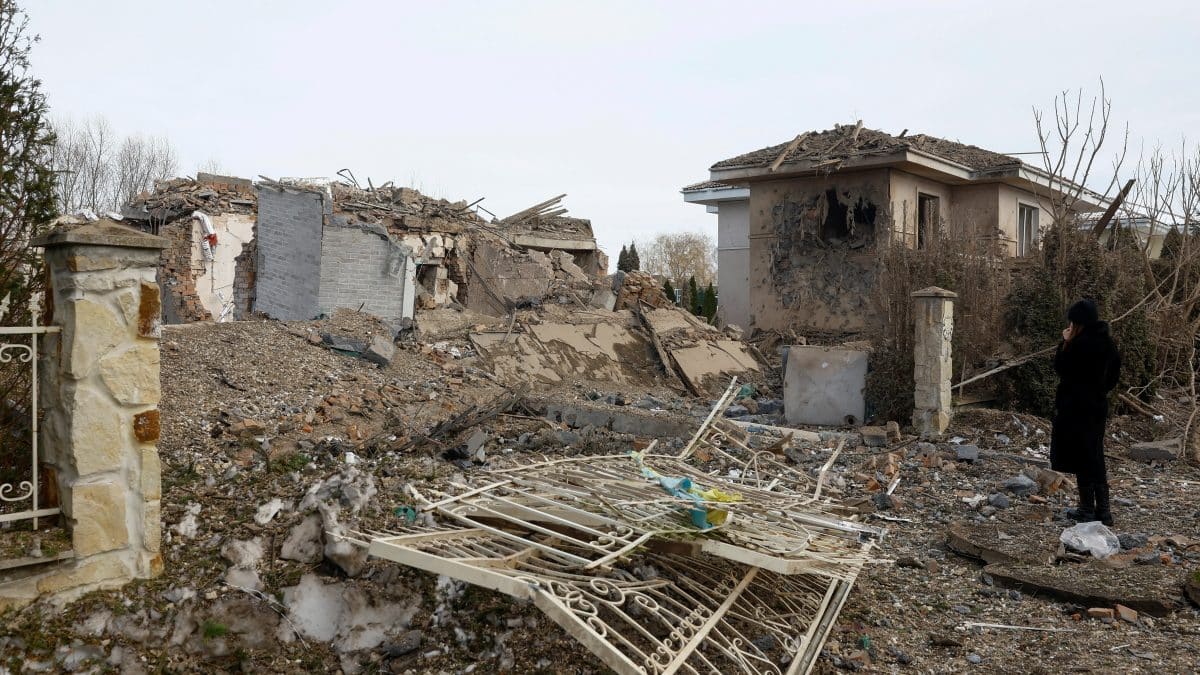
In 2026, the stakes are different than they were a decade ago. We have seen massive military buildups in the region and recent strikes on nuclear infrastructure. When the U.S. Treasury releases a new list of sanctioned entities, it’s a deliberate, calculated move to limit the resources the Iranian regime has at its disposal. It is meant to show that the U.S. still holds the cards, even when everyone is sitting at the negotiating table.
Why missiles matter as much as nukes
A common misconception is that the nuclear program is the only thing that matters. But for the current U.S. foreign policy team, Iran’s ballistic missile program is a deal-breaker.
- Conventional threats: Iran’s missiles provide a way to project power across the Middle East without needing a nuclear warhead.
- Regional destabilization: These weapons are frequently linked to proxy groups that threaten U.S. interests and allies.
- The "hidden" element: Many of these sanctions target the procurement networks—the specific parts, machinery, and software—needed to build these missiles.
When the U.S. imposes these sanctions, it cuts off the supply chain. If Iran can't get the specialized machinery they need from international black markets, their program slows down. It’s an effective, albeit slow, way to degrade their capabilities without firing a single shot.
Does this strategy actually work
If you look at the track record since 2017, the effectiveness of these sanctions is a matter of fierce debate. Supporters argue that without the threat of economic ruin, Tehran would continue its expansion unchecked. They point to the fact that these sanctions have successfully disrupted specific financial networks and forced the regime to pivot resources.
Critics, however, suggest that this approach hardens the resolve of Iranian hardliners. They argue that it gives the regime an excuse to walk away from talks and rally domestic support by blaming the "outside enemy." It is a high-wire act. If the pressure is too high, the negotiations collapse. If it is too low, the U.S. loses its only real leverage.
The current reality
As of March 2026, we are in a stalemate. The most recent round of talks in Geneva yielded no breakthrough. Meanwhile, the U.S. continues to pile on sanctions against the shadow oil fleet and drone manufacturers. This sends a clear message to Tehran: you might want to talk about nuclear enrichment, but the U.S. expects a much broader discussion on security, missiles, and regional proxies.
If you are following these events, don't expect the sanctions to stop just because a meeting is on the calendar. In the current administration’s view, the sanctions and the talks are parts of the same mechanism. One doesn't happen without the other.
How to track the real impact
If you want to know if these sanctions are actually changing anything, stop looking at the press releases and start looking at the logistics. Watch for these signals:
- Shipment delays: Are the "shadow fleet" tankers finding it harder to offload cargo in Asia or elsewhere?
- Procurement failures: Are reports showing that Iranian firms are struggling to acquire high-end industrial machinery or specific electronic components?
- Internal regime messaging: Is the state-run media in Tehran focusing more on the economic hardship, or are they pivoting to other topics to hide the strain?
These metrics matter more than any diplomatic statement from a conference room. The path forward remains uncertain, but the current U.S. strategy is clear. They intend to maintain the pressure, day by day, until they get the guarantees they want or the regime faces a breaking point.