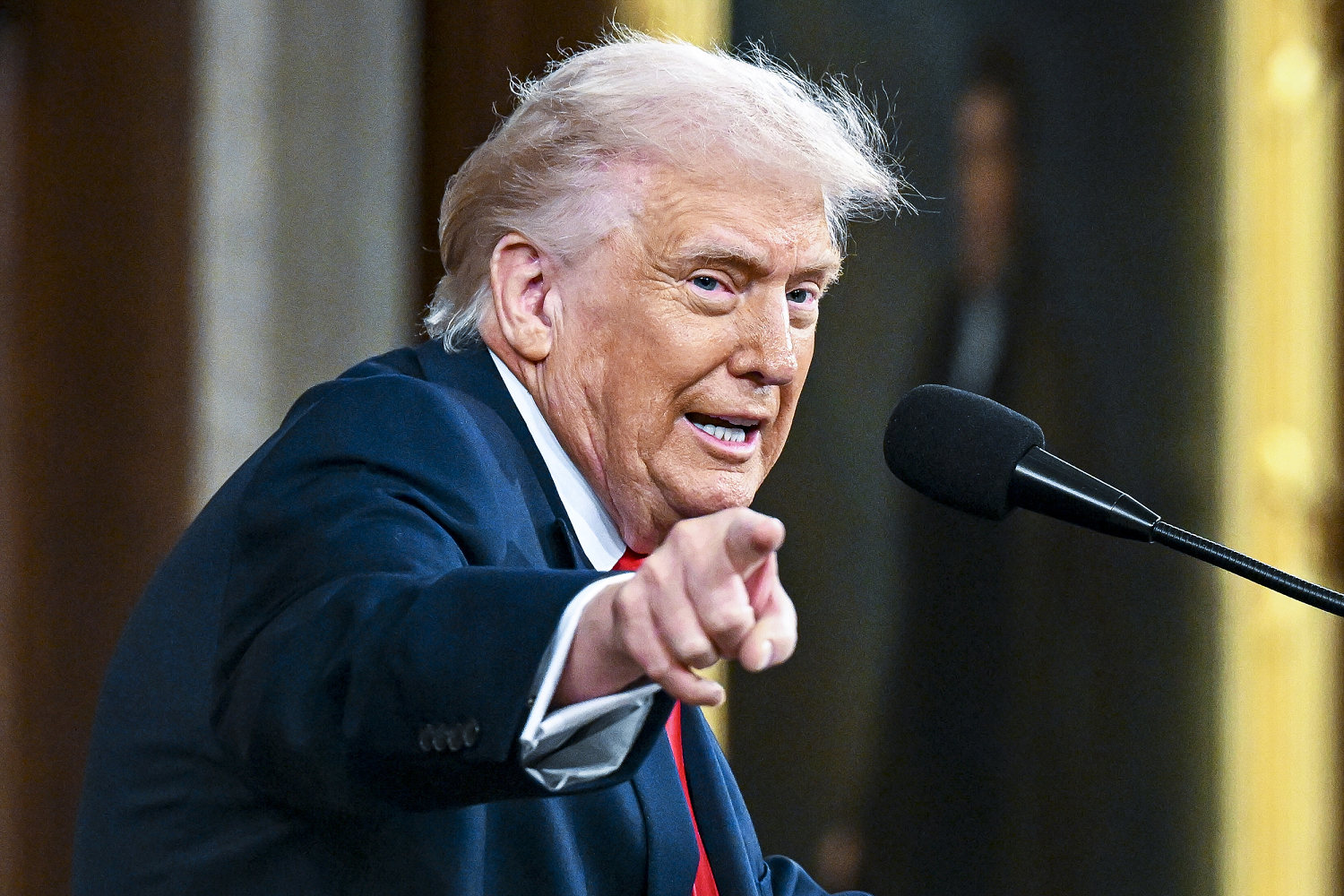
The clock is ticking toward another Tuesday deadline, and if you've been following the news, you know the drill. President Donald Trump has once again taken to Truth Social to issue an expletive-laden ultimatum to Tehran. Open the Strait of Hormuz by April 7, 2026, or watch your bridges and power plants turn into rubble. He’s calling it "Power Plant Day" and "Bridge Day." It sounds like a script from a summer blockbuster, but for the millions of people living in the crosshairs, it’s a terrifying reality.
This isn't just about another social media post. We're six weeks into a conflict that began with "Operation Epic Fury" on February 28. Since then, the cycle has become predictable: a deadline is set, the world holds its breath, and then Trump announces "productive conversations" and pushes the date back. But this time feels a bit more desperate. With gas prices hitting a $4-a-gallon average in the U.S. and the recent downing of American warplanes, the stakes have shifted from strategic positioning to a high-stakes rescue and recovery mission.
The Strategy of Moving Goalposts
If you're confused by the shifting dates, you're not alone. Trump has moved this specific deadline multiple times. On March 21, he gave Iran 48 hours. On March 23, he delayed it by five days. On March 26, he pushed it again to April 6 at 8:00 P.M. Eastern Time. Now, we’re looking at Tuesday, April 7, as the new "D-Day" for Iran's civilian infrastructure.
Why the constant delays? Honestly, it’s a mix of classic Trump negotiation tactics and the grim reality on the ground. The U.S. just finished a dramatic rescue of an airman whose F-15 was downed over Iranian territory. When you have pilots missing or in enemy hands, you don't start blowing up bridges—not if you want them back. The "negotiations" Trump keeps mentioning are likely less about a grand peace deal and more about the immediate safety of American service members and the stabilization of oil markets.
What is Actually at Stake
The threat to target "objects indispensable to the survival of the civilian population" is a massive escalation. We aren't just talking about military bases anymore.
- Power Plants: Striking these would kill the lights in hospitals and shut down water desalination plants.
- Bridges: These are the arteries of Iranian commerce and civilian movement.
- The Oil Factor: Kharg Island, which handles 90% of Iran’s oil exports, is a constant target in these threats.
International law experts are already screaming "war crimes" because these targets are civilian by nature. But the administration's stance is clear: if the Strait stays closed, everything is on the table. The Strait of Hormuz is the world's most important oil chokepoint. With it blocked by Iranian mines like the Maham 3 and Maham 7, the global economy is effectively being strangled.
Iran’s Response and the Gates of Hell
Tehran isn't backing down. General Ali Abdollahi Aliabadi recently called Trump’s ultimatum "helpless, nervous, and unbalanced." The rhetoric from the Iranian side has mirrored Trump’s fire and brimstone, with Aliabadi warning that the "gates of hell" will open for U.S. forces if the strikes proceed.
It’s a dangerous game of "chicken" where both sides are convinced the other will blink. Iran has already shown it can hit back, targeting Israeli-linked ships and claiming to have struck U.S. helicopters. They’ve even threatened to declare force majeure on long-term LNG contracts, which would cause a decade of energy chaos.
The Missing Piece of the Puzzle
What most people are missing is the role of the mediators. Pakistan, Turkey, and Egypt are currently working overtime in Islamabad to bridge the gap. Trump claims "great progress" is being made with a "new and more reasonable regime," while Iranian officials publicly deny any talks are happening. This is the "fog of war" in the digital age. One side claims victory while the other claims defiance, and the truth usually lies somewhere in a secure room in Pakistan.
Reality Check for the Coming Week
Don't expect a clean resolution by Tuesday. History shows us that these deadlines are fluid. If the U.S. can secure its remaining missing personnel and get a pinky-promise on the reopening of the Strait, the "Power Plant Day" will likely be postponed again.
However, the pressure from allies like Israel—who are reportedly ready to strike energy facilities the moment they get the green light—means Trump’s window for "productive conversations" is closing. You should prepare for continued volatility in energy prices and a high-alert status for any military movement in the Persian Gulf.
Watch the price of oil closely. If it dips, the market thinks a deal is coming. If it spikes past $120, the market is betting on the bombs. Keep an eye on official Pentagon briefings rather than just Truth Social posts to gauge the actual movement of carrier strike groups. The next 48 hours will tell us if this is the end of the war or just the beginning of a much darker chapter.