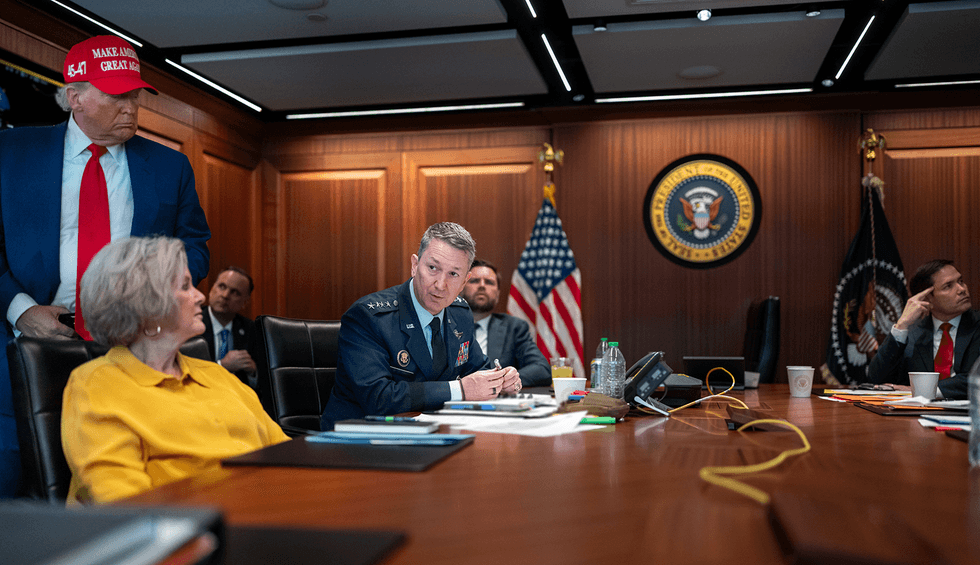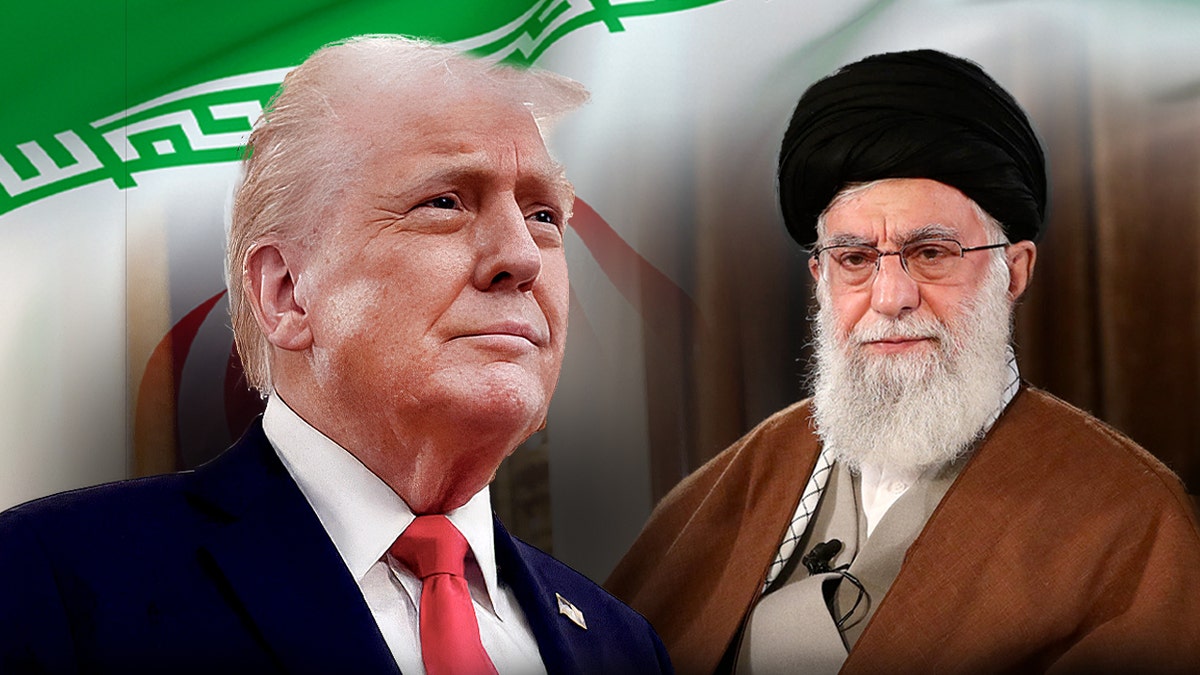
The world is watching a high-stakes game of chicken. It’s March 2026, and the tension in the Persian Gulf is thick enough to cut with a knife. Oil prices are swinging wildly, and Donald Trump just hit the pause button on an ultimatum that could have set the entire Middle East on fire. He’s given Tehran five days. Five days to decide if they want to keep their power plants or come to the table and talk about a "total resolution."
Most people think a deal is impossible. They look at the history of "Maximum Pressure," the airstrikes that killed Supreme Leader Ayatollah Ali Khamenei last month, and the shuttered Strait of Hormuz, and they see a dead end. But they're missing the bigger picture. In the world of Trumpian diplomacy, the most extreme pressure often precedes the most unexpected handshake.
The Art of the Ultimate Leverage
You can't understand this situation without looking at how we got here. Trump didn't just walk back into the White House; he walked back in with a sledgehammer. The February 2026 joint U.S.-Israeli strikes weren't just about degrading military assets. They changed the fundamental structure of the Iranian state. With Khamenei gone and Mojtaba Khamenei's whereabouts currently unknown, the "regime" Trump is dealing with isn't the one from 2015 or even 2024.
Trump calls it "automatic regime change." He's not talking about a CIA-backed coup. He’s talking about the fact that the people currently picking up the phone in Tehran—figures like Parliament Speaker Mohammad-Bagher Ghalibaf—are operating in a vacuum. They’re terrified. Their energy infrastructure is one "Send" tweet away from being obliterated. Their economy is in a tailspin with a 25% tariff threat hanging over any country that dares to trade with them.
When Trump says, "They called, I didn't call," he's signaling that the leverage has shifted entirely. In 2018, Iran felt it could wait him out. In 2026, with the U.S. Navy ready to clear the Strait by force and a five-day clock ticking on their electricity grid, they don't have that luxury.
What a "Trump Deal" Actually Looks Like
Forget the JCPOA. That's a ghost from a different era. If a deal happens this week, it won't be a 150-page technical document full of sunset clauses and gradual enrichment limits. It’s going to be "The Big Stick" diplomacy updated for 2026.
Trump’s demands are blunt. He wants "zero enrichment." Not a little bit for medical isotopes. Not a "token" amount to save face. Zero. He’s even floated the idea of the U.S. physically going in and taking the enriched uranium. "We'll go down and we'll take it ourselves," he told reporters on Monday. It sounds like hyperbole, but in the context of the current war, it’s a literal demand for total nuclear disarmament.
The Economic Carrot
The flip side is the economic incentive. Trump wants oil prices to "drop like a rock." He knows that bringing Iranian oil back into the global market legally—under U.S. supervision—would crush inflation at home and stabilize global markets. For the Iranians, it’s about survival. They’re facing a nationwide truckers' strike and a population that’s been protesting since December 2025. They need money, and they need it now.
The Hidden Players: Turkey, Egypt, and Pakistan
While the headlines focus on Trump’s Truth Social posts, the real work is happening in Islamabad and Muscat. Turkey and Egypt have been acting as the primary couriers for messages that neither side wants to admit they’re sending.
There’s talk of a face-to-face meeting in Islamabad this week. Jared Kushner and Steve Witkoff are already on the ground, reportedly talking until late into the night with "respected" Iranian representatives. These aren't the ideological hardliners of the IRGC; they’re the pragmatists who realize that "perpetual conflict" has finally hit a wall that won't break.
Why This Time is Different
The skepticism is fair. We've seen "Maximum Pressure" before. But 2026 isn't 2019.
- The Power Vacuum: The death of the Supreme Leader removed the ultimate ideological veto.
- Military Reality: The February strikes proved that the U.S. and Israel can hit hardened targets with impunity.
- Global Alignment: Even China is growing weary of the disruption to the Strait of Hormuz. Beijing wants stable oil prices as much as Washington does.
Trump is gambling that the Iranian leadership is more afraid of their own people than they are of him. If the lights go out across Iran because of U.S. strikes, the protests that started in December will turn into a full-scale revolution. The pragmatists in Tehran know this. They might just be ready to trade their nuclear ambitions for a chance to stay in power.
What Happens if the Five Days Run Out?
If Friday comes and there’s no "major point of agreement," the pause ends. Trump has been clear: the power plants are next. This isn't just about the nuclear program anymore; it's about the Strait of Hormuz. If Iran doesn't guarantee the flow of oil, Trump is prepared to use NATO allies and the U.S. Fifth Fleet to clear the lanes by force.
It’s a brutal, transactional, and incredibly risky form of diplomacy. It lacks the finesse of traditional State Department maneuvering, but it’s the only language the current Iranian leadership seems to understand.
Keep a close eye on the oil markets over the next 48 hours. If prices continue to dip, it’s a signal that the "respected" people Trump is talking to are making real concessions. We aren't looking for a treaty; we're looking for a surrender wrapped in the packaging of a "great deal."
If you’re watching the news, look past the denials from the Iranian Foreign Ministry. In Tehran, public denial is often the first step toward private capitulation. The next few days will determine if we see a historic realignment or a regional explosion.
Check the latest reports on the "five-day pause" status tonight. If the deadline isn't extended again, the window for a deal is likely closing.