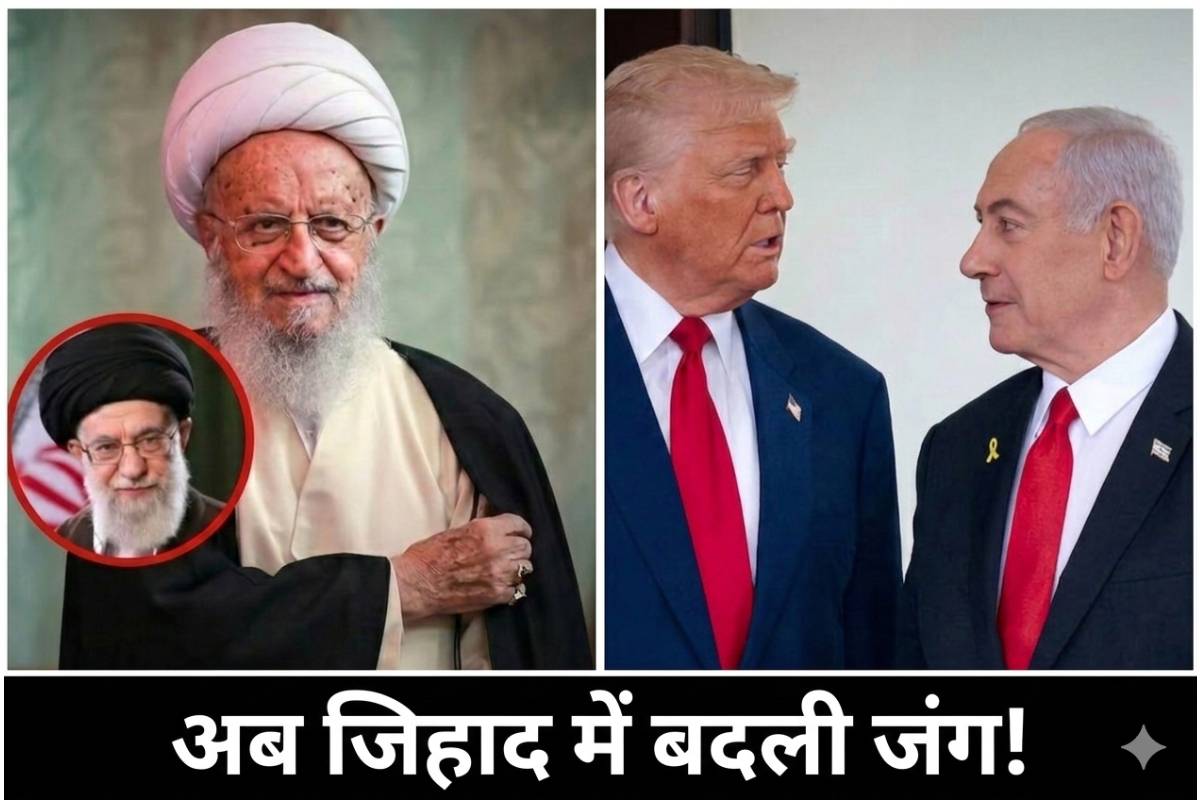
The smoke over Tehran hasn't even cleared, and the diplomatic phones are already ringing. After a weekend that saw the most aggressive American-led military operation in decades, the remains of the Iranian government are doing something they haven't done in 47 years. They're asking for a way out.
You don't launch 900 strikes in 12 hours just to "send a message." You do it to break a regime’s spine. Between Saturday and Sunday, Operation Epic Fury essentially erased Iran’s ability to fight a modern war. With Supreme Leader Ali Khamenei dead and the Islamic Revolutionary Guard Corps (IRGC) command structure in shambles, the surviving officials in Tehran are facing a brutal reality. They can either sit and wait for the next wave of Tomahawks, or they can talk.
Donald Trump, never one to pass up a moment of maximum leverage, has already confirmed he's willing to listen. But don't mistake this for a sudden burst of pacifism. It's the byproduct of a calculated, overwhelming display of force that has left the "Axis of Resistance" looking more like a pile of scrap metal.
The weekend the regime broke
The sheer scale of the destruction is hard to wrap your head around. This wasn't a "proportional" slap on the wrist. US and Israeli forces went for the throat. By Sunday night, the Pentagon and Israeli Defense Forces (IDF) reported hitting over 1,000 targets. We aren't just talking about empty desert outposts. They hit the missile silos, the drone factories, and the naval bases that have threatened the Strait of Hormuz for years.
The Iranian Navy basically ceased to exist as a functional force within the first six hours. Sinking warships like the frigate Jamaran wasn't just about clearing the water; it was about showing the IRGC that their "asymmetric" naval strategy was a fantasy.
Then there’s the leadership vacuum. When you take out the Supreme Leader, the Defense Minister, and the head of the IRGC in a single 48-hour window, you don't just kill people. You kill the decision-making process. The guys left standing—like President Masoud Pezeshkian and Ali Larijani—are currently operating out of bunkers, trying to figure out who’s actually in charge while the country’s internet is dark and the streets are bubbling with a fresh wave of protests.
Why Trump is agreeing to talk now
Trump's logic is pretty transparent. He's always said he wants a "better deal," and he clearly believes that you get that deal by holding all the cards. In his view, the previous decades of diplomacy failed because the US was too worried about "stability."
"They should have done it sooner," Trump told The Atlantic on Sunday. "They played too cute."
It’s a classic "peace through strength" play, though many would argue we’re well past the "strength" part and into "submission." By agreeing to talk to the "new" leadership, Trump is effectively dictating the terms of surrender before the war even enters its second week. He's not looking for a complex, 150-page nuclear treaty. He wants a total reset:
- Complete cessation of uranium enrichment.
- The total dismantling of the ballistic missile program.
- An end to funding proxies like Hezbollah and the Houthis.
Honestly, the surviving Iranian leadership doesn't have much room to haggle. Their air defenses are gone. Their primary deterrent—the threat of closing the Persian Gulf—is gone. Even their internal security is failing as protesters, emboldened by the strikes, take to the streets in cities like Mashhad and Tabriz.
The risks of a cornered regime
It’s not all clean wins and victory laps. While the "survivors" in Tehran are begging for a meeting, the IRGC remnants aren't going quietly. We’ve already seen retaliatory strikes against US bases in Kuwait and Qatar. Three American service members have died. This is the "grim calculus" of regime change: the head is gone, but the nervous system is still firing off reflexive, violent sparks.
There's also the question of who we are actually talking to. If the "moderate" survivors like Larijani reach a deal with Trump, can they actually enforce it? Or are we just negotiating with a shadow government that has lost control of its own borders?
The Biden-era "calibrated response" is dead. In its place is a doctrine of overwhelming, preemptive destruction. It’s effective at breaking things, but it’s messy at building what comes next. Trump seems betting that the Iranian people will do the building for him, calling on "patriots" to seize the moment.
What happens on Monday
The next 24 to 48 hours will decide if this is a short, sharp war or the start of a long-term occupation of the skies. If the talks happen, they’ll likely be mediated by Oman or Switzerland, but the venue doesn't matter. What matters is the list of demands.
Expect the US to demand an immediate ceasefire and the grounding of all remaining Iranian aircraft as a "good faith" gesture before any formal meeting. If Tehran hesitates, the "vast armada" Trump mentioned isn't going anywhere.
If you're looking for the next move, watch the regional players. Saudi Arabia and the UAE are currently caught in the crossfire, with airports in Dubai and Abu Dhabi seeing massive disruptions from Iranian missile leftovers. They want this over yesterday. If Trump can force a capitulation this week, he’ll claim the biggest foreign policy win of the century. If not, we're looking at a regional firestorm that won't be settled with a few phone calls.
Keep an eye on the official White House statements and the movements of the USS Gerald R. Ford. If the carrier strike groups stay on high alert, the "peace talks" are just another tool of pressure.
Reach out to your representatives if you’re concerned about the lack of Congressional approval for this scale of operation. The "Gang of Eight" was briefed, but the constitutional debate over war powers is just starting to heat up.