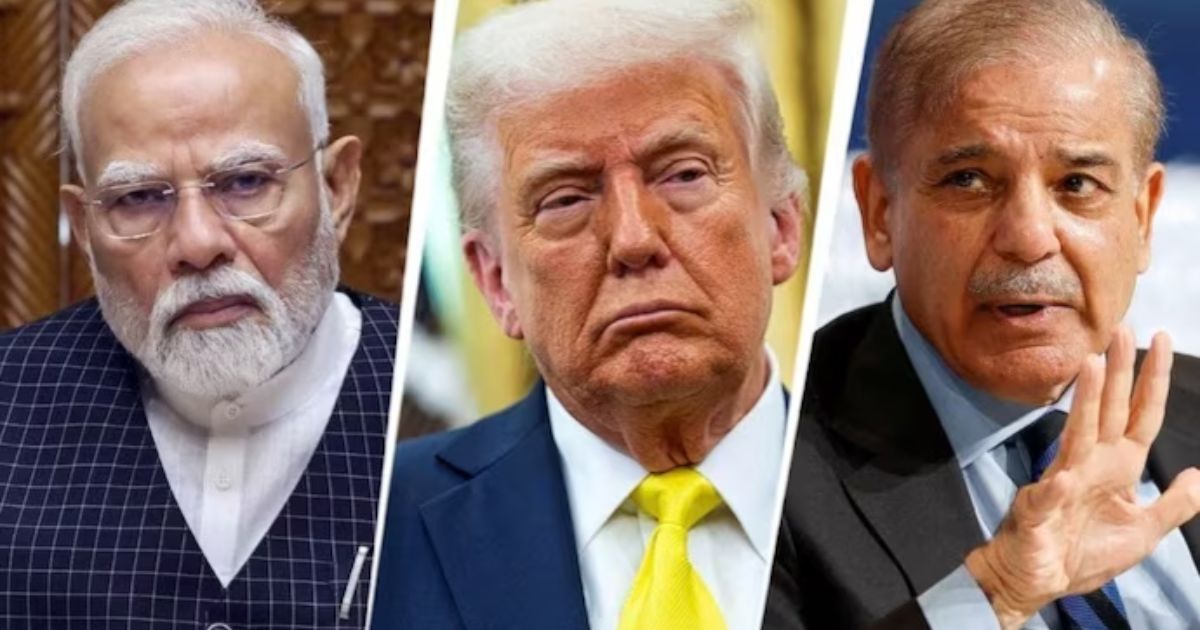
The rules of global diplomacy aren't just being rewritten; they're being shredded in real-time. On March 4, 2026, the world woke up to a geopolitical map that looks nothing like the one we studied in school. In a series of biting remarks from the Oval Office alongside German Chancellor Friedrich Merz, President Donald Trump made his priorities clear. He’s done with "deadbeat" allies in Europe, surprisingly optimistic about Beijing, and entirely unapologetic about the massive military strikes that just decapitated Iran’s leadership.
If you’re looking for a return to "normalcy," you won't find it here. Trump’s current strategy is a high-stakes blend of "Operation Epic Fury" in the Middle East and a "wrecking-ball" approach to NATO. While the smoke still rises over Tehran after the assassination of Supreme Leader Ayatollah Ali Khamenei, the real fire is burning in the relationship between Washington and its oldest friends in Europe. If you enjoyed this post, you should check out: this related article.
The Spanish Standoff and the Death of Article 5
The most shocking moment of the week wasn't the bombing of Iranian missile sites; it was the open threat to one of America’s NATO partners. Trump didn't hold back when discussing Spain’s refusal to allow U.S. bombers to use jointly operated bases for the Iran campaign. He basically told Madrid that their trade relationship is on the chopping block.
"We could use their bases if we wanted to. We could just fly in," Trump said. It’s a statement that effectively treats a sovereign ally like a landlord treats a tenant behind on rent. This isn't just a spat over flight paths. It’s the culmination of years of frustration over defense spending. Trump is demanding a 5% GDP contribution for NATO membership—a massive jump from the previous 2% target that most European nations already struggle to hit. For another angle on this event, refer to the recent update from NPR.
For leaders like Merz, who are trying to keep the continent unified, this is a nightmare. Europe is already terrified. France and Germany are now discussing a "nuclear umbrella" that doesn't rely on the U.S., a move that would have been unthinkable five years ago.
The China Paradox
You’d think a president who built his brand on "China virus" rhetoric and trade wars would be slamming Beijing for its ties to Tehran. Instead, Trump is boasting about his "good relationship" with China. This isn't a mistake. It’s a calculated move ahead of his planned summit with Xi Jinping in late March.
While China has publicly condemned the strikes on Iran as "bad faith" actions, Trump seems convinced he can peel them away from the "Axis of Resistance." He knows China is Iran’s biggest oil customer. He also knows they don't want a total regional collapse that chokes off the Strait of Hormuz.
By praising China while trashing Spain and other "uncooperative" Europeans, Trump is sending a message: loyalty is measured by utility, not history. If Beijing stays out of the way during the Iran transition, they get a better trade deal. If Europe stays "principled" and blocks military access, they get tariffs. It’s that simple.
Justifying the Strike on Tehran
The administration is calling the killing of Khamenei a "moral necessity," but the legal ground is shaky at best. Trump’s justification rests on two pillars:
- Imminent Threat: He claims Iran was days away from a nuclear breakthrough and was planning an "imminent" attack on U.S. forces.
- Historical Debt: He frequently cites the 1979 hostage crisis and decades of proxy wars as a "bill that finally came due."
Critics, including the UN and several international law experts at Chatham House, argue that "imminent" is a stretch. Domestic intelligence assessments from 2025 suggested Iran was still years away from a functional ICBM that could hit the U.S. mainland. But in the current administration, the "gut feeling" of the Commander-in-Chief carries more weight than a DIA report.
What Happens if the Next Guy is Worse
Even Trump admits he’s worried about the "morning after" in Tehran. He told reporters his biggest fear is a new leader who is "as bad as the previous person." It’s an honest admission for a president who usually projects total certainty.
The U.S. is currently urging the Iranian people to "take over" their government, but there’s no organized opposition ready to step in. It’s a power vacuum with nuclear consequences. Oil prices have already jumped to over $81 a barrel, and European gas prices are soaring by 40%. If this "quick strike" turns into a three-year insurgency, the economic fallout will hit American voters right as mid-term elections approach.
Your Move
Don't wait for the mainstream media to catch up to the "new normal" of 2026. If you're managing investments or supply chains, you need to prepare for a world where traditional alliances are dead.
- Watch the Oil Market: Any further escalation in the Strait of Hormuz will send crude into the triple digits.
- Monitor the Beijing Summit: The March 31 meeting between Trump and Xi will be the most important diplomatic event of the decade.
- Hedge Against Europe: Expect more "selective" trade wars where the U.S. punishes individual EU members while rewarding others.
The era of "global stability" is over. We're in the era of the "Wrecking Ball," and you'd better get out of the way.