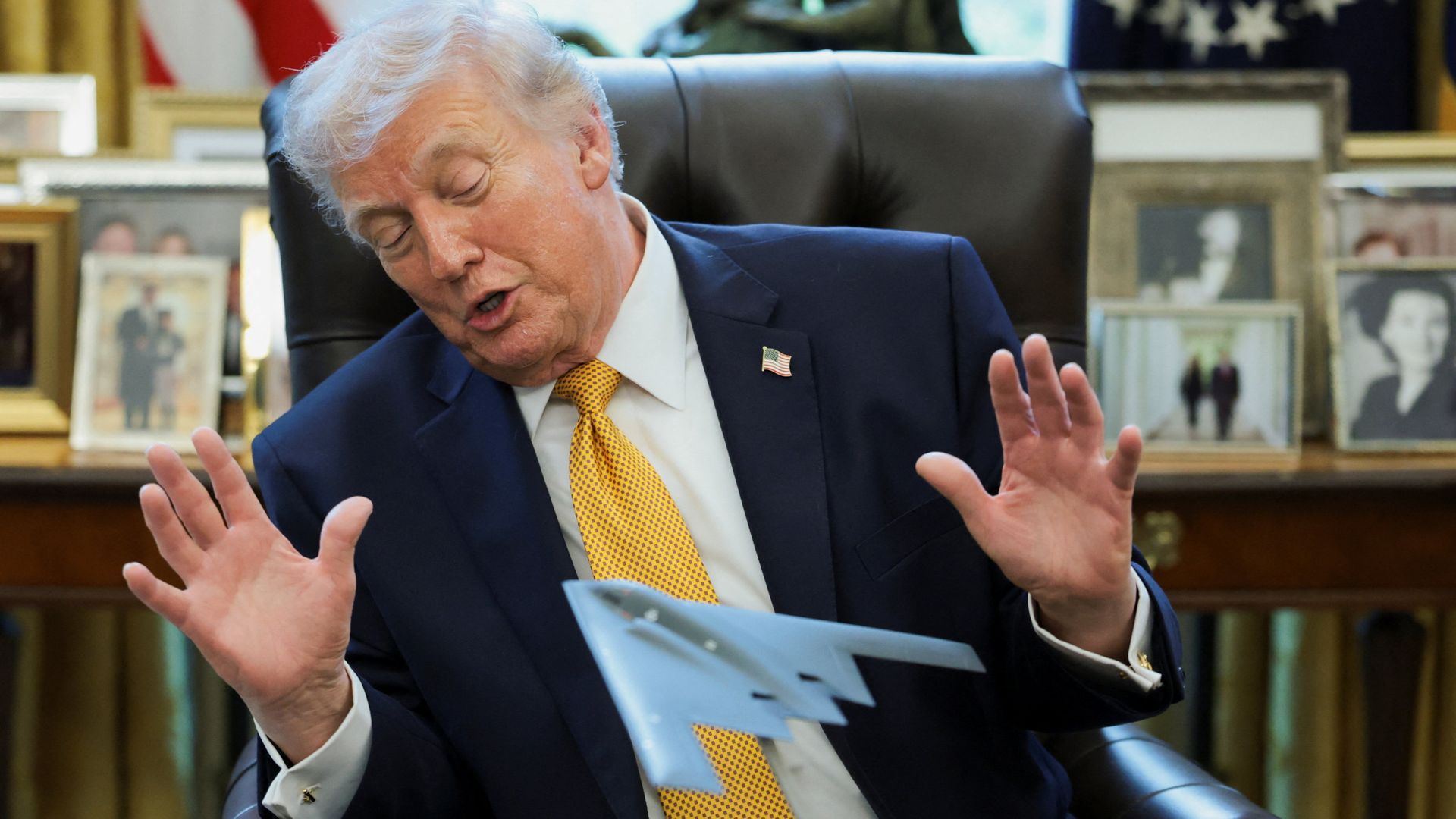
Donald Trump isn't letting go of his grudge against the BBC, and it's now a $10 billion legal war. Today, March 16, 2026, the broadcaster filed a motion to toss the case, calling it a threat to free speech. They aren't just saying the lawsuit is wrong—they're calling it "chilling."
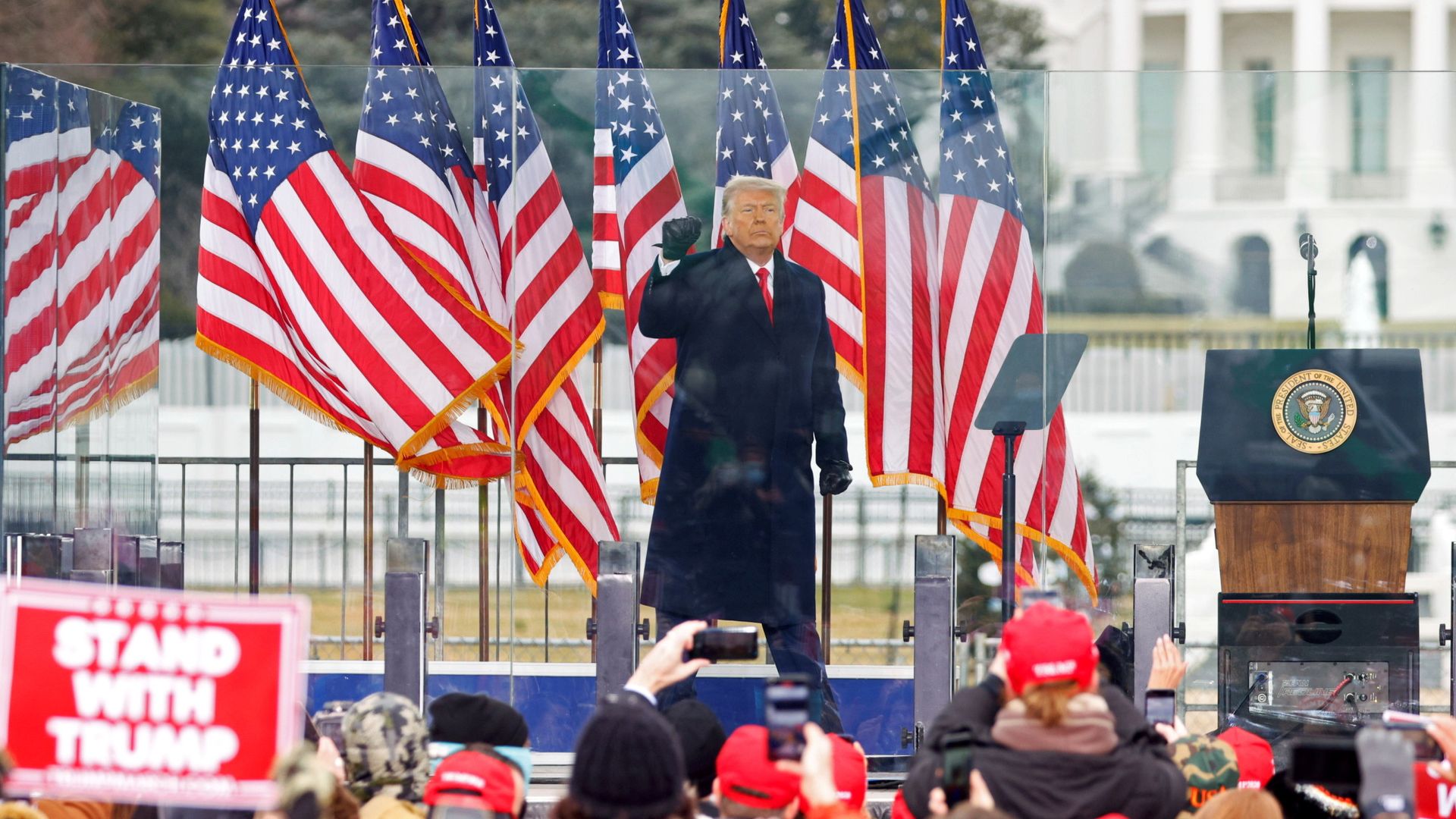
If you haven't followed the play-by-side, here's the gist. The whole mess started with a Panorama documentary titled Trump: A Second Chance? that aired in the UK just before the 2024 election. The BBC edited a speech from January 6, 2021, in a way that made it look like Trump directly incited the Capitol riot. They spliced two sentences together that were actually spoken 54 minutes apart.
Trump says it was a "brazen attempt" to mess with the election. The BBC says it was a mistake, but one that didn't actually hurt him. After all, he won the election.
The 12 Seconds That Cost Two CEOs Their Jobs
It’s rare to see a technical editing error take down the top brass of a global media giant, but that’s exactly what happened here. In November 2025, BBC Director-General Tim Davie and News CEO Deborah Turness both resigned.
The pressure became unbearable after a leaked internal memo from Michael Prescott, a former adviser, suggested the edit "completely misled" the audience. The BBC had to apologize. They admitted the edit gave the "mistaken impression" of a call to violence. But an apology isn't a check for $10 billion.
Breaking Down the Spliced Quote
To understand why Trump is so fired up, you have to look at how the footage was handled.
- The BBC Edit: "We're going to walk down to the Capitol and I'll be there with you. And we fight. We fight like hell and if you don't fight like hell, you're not going to have a country anymore."
- The Reality: Those two sections were nearly an hour apart. In between, Trump actually told his supporters to march "peacefully and patriotically."
By cutting out the "peaceful" part and sticking the "fight like hell" part right next to the march instructions, the BBC created a narrative that Trump’s legal team calls "malicious."
Why the BBC Thinks the Case is Dead on Arrival
The BBC’s motion to dismiss, filed today in a Florida court, relies on a few blunt arguments. First, they say the court doesn’t even have jurisdiction. The documentary aired in the UK. It wasn’t on US TV. It wasn’t on iPlayer in the States. Unless you were using a VPN to pretend you were in London, you probably didn't see it.
The second argument is even more direct. They’re basically saying, "How can we have ruined your reputation if you're now the President?"
"As Mr. Trump won the election after the documentary's release, he cannot plausibly claim that the documentary harmed his reputation." - BBC Legal Filing, March 2026
It’s a bold move. They’re arguing that because he won the state of Florida and the White House, the "damage" he’s claiming is imaginary. They also pointed out that over 100 defendants from the January 6 riot already told courts they interpreted his speech as a call to action—long before this documentary ever existed.
The Chilling Effect and the $10 Billion Price Tag
$10 billion is a staggering number. It’s not just a "sue you for damages" amount; it’s a "shut down the company" amount. The BBC is warning that if this case goes forward, it’ll create a "chilling effect" where news outlets are too scared to report on powerful figures for fear of being sued into bankruptcy over minor editing choices.
The BBC's lawyers are leaning heavily on the "actual malice" standard. In the US, a public figure like Trump has to prove the BBC knew what they were doing was false or acted with reckless disregard for the truth. The BBC maintains it was just a bad edit to save time in an hour-long program.
What Happens if the Case Sticks
Judge Roy K. Altman has already set a provisional trial date for February 15, 2027. If the motion to dismiss fails, we’re looking at a two-week trial where BBC editors, producers, and former executives will have to testify under oath.
The discovery process alone would be a nightmare for the BBC. They’d have to hand over internal emails, Slack messages, and drafts. For a broadcaster that prides itself on being the gold standard of impartiality, having their "dirty laundry" aired in a Florida courtroom is the last thing they want.
How This Affects You
This isn’t just about two famous names clashing. It’s about how much "creative license" a newsroom has when editing a story. If the BBC loses, expect every news clip you see in the future to be much longer and much more boring, as lawyers force editors to include every single qualifier to avoid a lawsuit.
If you’re following this case, keep an eye on the jurisdiction ruling. If the judge decides that a UK broadcast can be sued in Florida because of VPN users, it opens the floodgates for global celebrities to sue international outlets in whatever country has the friendliest laws.
The next step is for Trump’s legal team to respond to this motion to dismiss. Expect a fiery filing within the next few weeks. If you want to see the specific side-by-side comparison of the speech vs. the edit, most major news archives have now posted the "Prescott Memo" details which list every cut made.