The geopolitical chessboard just got a lot more crowded. You've probably seen the headlines about the US easing sanctions on Belarus, but the real story is the "why" behind it. It isn't just about diplomacy in Eastern Europe. It’s about the survival of American agriculture while the Middle East is on fire. President Trump is signaling a massive shift. He’s promising to shield US farmers from the fallout of the ongoing conflict with Iran, and he’s using every tool in the shed—including some controversial ones—to do it.
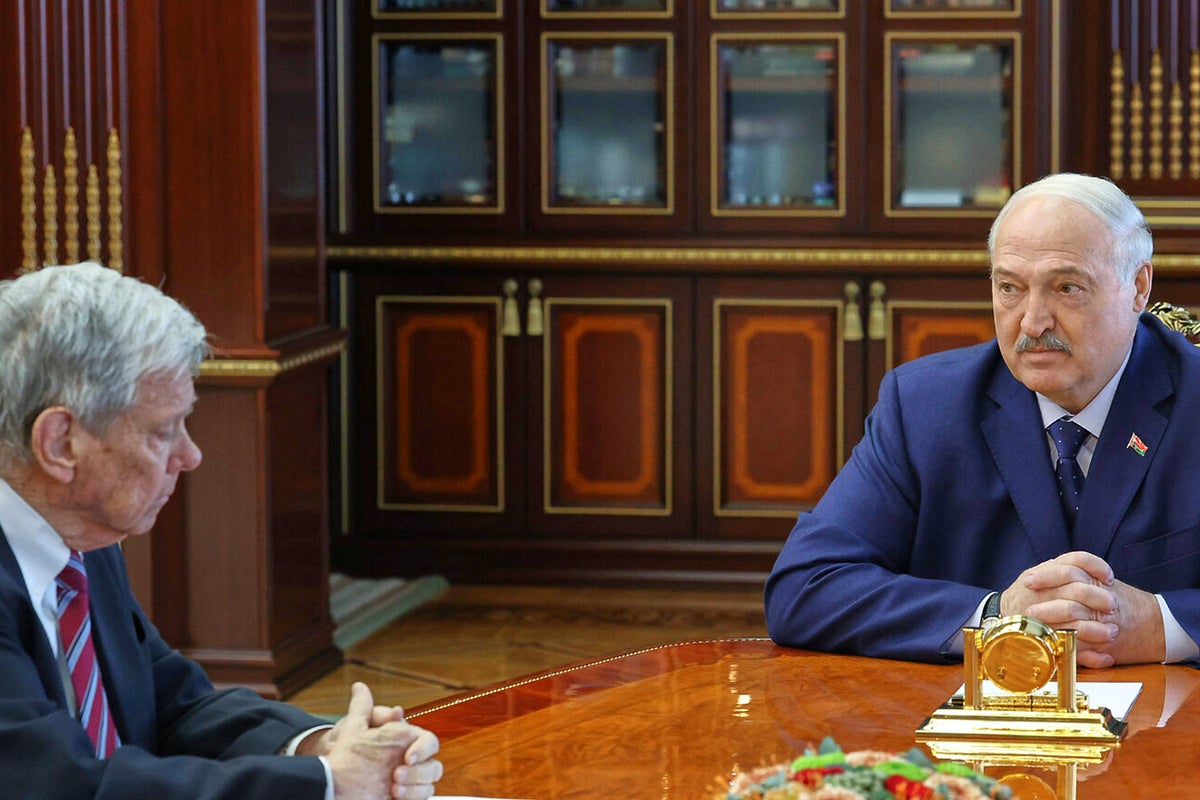
Let's be clear about what's happening. The US Treasury Department recently updated its guidelines regarding Belarus. For years, Minsk has been a pariah. But suddenly, there’s a thaw. Why? Because the global supply chain for potash and agricultural inputs is screaming for relief. When you pair that with the skyrocketing fuel and fertilizer costs caused by the Iran war, you get a presidency that's willing to get pragmatic. Fast.
The Belarus Pivot and What It Actually Means
For a long time, the narrative was simple. Belarus was the "last dictatorship in Europe," and we weren't going to play ball. Then the war with Iran intensified. Suddenly, the fact that Belarus is one of the world's largest producers of potash—a critical ingredient in fertilizer—became a matter of national security for American food producers.
By easing these sanctions, the administration is effectively opening a valve. It’s an attempt to lower the input costs for farmers in the Midwest who are watching their margins disappear. If you're a corn or soybean farmer in Iowa, you don't care about the internal politics of Minsk. You care about the price of a bag of fertilizer. The administration knows this. They’re betting that a slight thaw with a Russian ally is a price worth paying to keep the American breadbasket from collapsing.
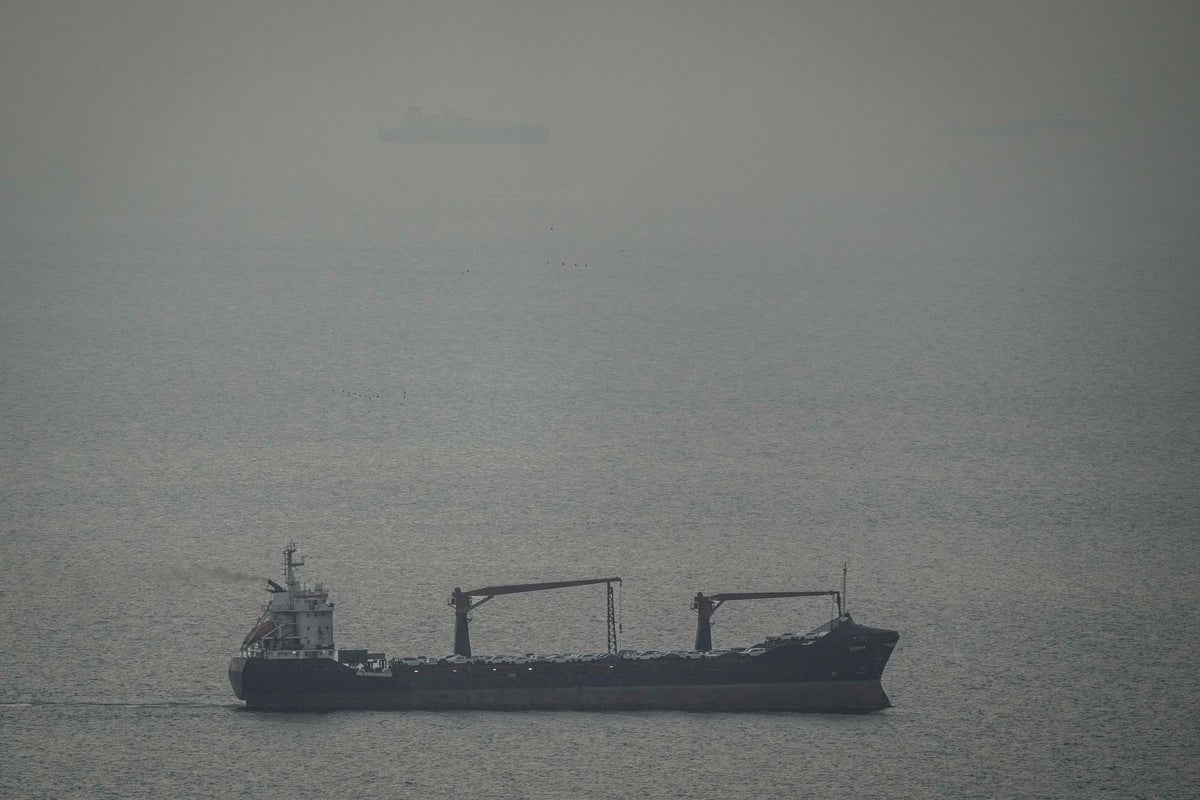
It’s a gamble. Critics argue this move rewards a regime that has a dismal human record. They're not wrong. But the White House is looking at the map and seeing a different set of risks. If the Iran conflict keeps the Strait of Hormuz in a chokehold, global energy and chemical prices stay high. You can’t fight a war on one front and an economic depression on the other.
Protecting the American Farmer from the Iran Fallout
The Iran conflict isn't just a military engagement. It’s an economic wrecking ball. Trump has been vocal about this. He’s repeatedly stated that he won't let American farmers be the "collateral damage" of a war they didn't ask for. This isn't just rhetoric. We’re seeing a two-pronged strategy.
First, there’s the direct aid. The administration is floating a new round of agricultural subsidies, similar to the trade war packages of 2018. The goal is to offset the lost export markets and the surge in production costs. When Iran-related tensions spike, shipping insurance premiums go through the roof. That makes US grain more expensive on the world market. Trump’s plan involves direct cash injections to keep those farms solvent.
Second, there’s the energy angle. The "drill, baby, drill" mantra is back with a vengeance. By pushing for maximum domestic energy production, the goal is to decouple US fertilizer production from global natural gas spikes caused by the Middle East instability. It's about building an island of stability in a very chaotic world.
Why This Matters to Your Grocery Bill
You might think this is all high-level politics that doesn't touch your daily life. You'd be wrong. Every time a sanction is lifted or an aid package is signed, it ripples down to the price of milk, bread, and meat.
If fertilizer prices stay at record highs because of the Iran war, farmers plant less. If they plant less, supply drops. If supply drops, your grocery bill goes up 20% by next year. The Belarus move is a desperate attempt to prevent that specific domino effect. It’s an admission that the US economy is still deeply tied to global commodities, no matter how much we talk about independence.
Think about the sheer scale of the potash market. Canada and Belarus dominate. If you cut one out, you're essentially handing a monopoly to the other and watching prices double. By bringing Belarus back into the fold—even partially—the administration is trying to force some competition back into the market. It’s basic economics applied to a very messy geopolitical reality.
The Critics are Lined Up
Not everyone is buying the "pragmatism" argument. Hardliners in Congress are already calling this a betrayal of democratic values. They argue that easing up on Belarus gives a green light to other rogue states. They see it as a sign of weakness—an admission that US sanctions can be outlasted if you wait for a big enough global crisis to hit.
On the flip side, agricultural groups are quietly cheering. The American Farm Bureau and other major lobbies have been warning for months that the combination of high input costs and closed markets was a recipe for a wave of bankruptcies. For them, the Belarus decision is a lifeline. It’s a messy, complicated, and morally grey lifeline, but a lifeline nonetheless.
Navigating a High Stakes Economy
So, where does this leave you? If you’re involved in the markets or just trying to manage a household budget, you need to watch the "fertilizer-to-fuel" ratio. These are the two biggest levers the administration is trying to pull.
Keep an eye on the specific language coming out of the Treasury. Are these "temporary waivers" or a long-term shift? If they're just waivers, expect market volatility to continue. If it's a permanent shift, we might see a stabilization in food prices by the end of the year.
Also, watch the aid packages. If the administration starts bypasssing Congress to get funds to farmers, expect a legal battle that could further shake market confidence. The path forward isn't clean. It's a series of trade-offs where the "least bad" option is often the winner.
Immediate Steps for Producers and Investors
- Diversify Input Sources: If you're in the industry, don't rely on the Belarus thaw lasting forever. Use this window to lock in contracts with domestic or Canadian suppliers if the price is even remotely competitive.
- Monitor Shipping Lanes: The Iran conflict is the primary driver of logistics costs. Any escalation there will immediately negate the benefits of cheaper fertilizer.
- Watch the Subsidy Guidelines: If you qualify for the new aid packages, get your paperwork ready now. These programs are often "first-come, first-served" and the rules change fast.
The administration is making a clear choice. They’re prioritizing the domestic economy and the food supply over a strict, ideological foreign policy. It’s a return to "Realpolitik" on a grand scale. Whether it works or just creates a new set of problems remains to be seen, but for now, the message is clear: the American farmer comes first, even if it means shaking hands with people we used to call enemies.