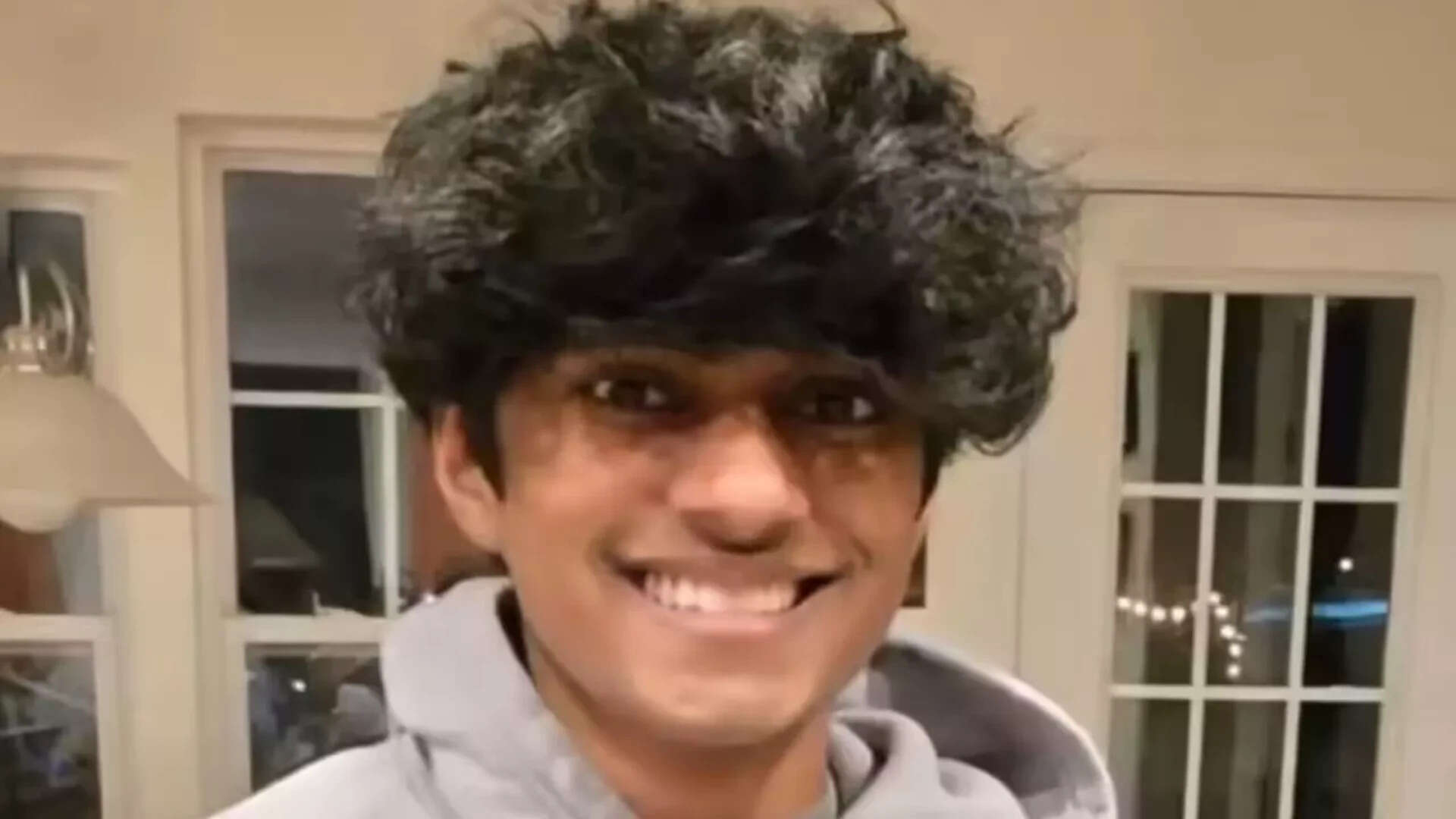
Pittsburgh is a city of bridges, universities, and high expectations. For international students, it's often seen as the gateway to the American Dream. But recently, that dream turned into a nightmare for the Indian-American community. The disappearance and subsequent death of Gautham Rajanikanth, a 22-year-old student, didn't just break a family's heart. It exposed the terrifying vulnerability of young people navigating high-pressure academic environments far from home.
When a student goes missing, the clock doesn't just tick. It screams. In Gautham's case, the search ended in the worst way possible. Local authorities found him at the bottom of a ravine near a local park. He wasn't a statistic. He was a son, a peer, and a young man with a future that vanished in a matter of days. We need to talk about why this keeps happening and what the real-time response looks like when a student vanishes in a major US city.
The Timeline of a Tragedy in Pittsburgh
Gautham Rajanikanth was last seen in the Squirrel Hill neighborhood. If you know Pittsburgh, you know Squirrel Hill is generally considered safe, walkable, and vibrant. It's the kind of place where parents feel okay about their kids living. He left his residence on a Sunday afternoon. He didn't take his car. He didn't take his phone.
That right there is the first red flag. In 2026, nobody leaves their phone behind unless they're going for a quick jog or they're in a state of extreme distress. By the time his roommates realized he wasn't coming back, the trail was already getting cold. Pittsburgh Police Department's Missing Persons Unit started the search, but the terrain in Western Pennsylvania is tricky. It's hilly, wooded, and full of steep drops.
Search crews eventually centered their efforts on Schenley Park. It's a massive green space, over 450 acres. While it's a jewel of the city, it's also easy to get lost in if you veer off the main trails. After days of aerial drones and K-9 units, the news everyone dreaded finally broke. They found him. No foul play was immediately suspected, which usually points toward a tragic accident or a personal crisis.
Why the Indian American Student Community is Hurting
This isn't an isolated incident. Over the last couple of years, we’ve seen a spike in reports of Indian and Indian-American students facing crises on US campuses. Whether it's Purdue, Georgia Tech, or Carnegie Mellon, the pressure is immense. You're dealing with the weight of cultural expectations, the massive financial burden of US tuition, and the isolation of being away from a primary support network.
Gautham was part of a demographic that often suffers in silence. There's a "model minority" myth that suggests these students have it all figured out. They don't. They struggle with the same mental health hurdles as anyone else, but often with an added layer of "perfection pressure." When things go wrong, the fall feels twice as hard.
Community leaders in Pittsburgh have been vocal about the need for better integration. It's not enough to just give a student a visa and a library card. We have to look at the social fabric. When Gautham went missing, the local Indian-American community rallied, using WhatsApp groups and social media to spread his photo. They did the heavy lifting while the official investigation was spinning its wheels.
Safety Realities for Students in Urban Parks
We love our city parks, but we treat them like backyards. They aren't. Schenley Park, Frick Park, and even the smaller wooded lots in Pittsburgh have dangerous topography. If you're walking alone at dusk or in a state of mind where you aren't paying attention to the path, a single slip can be fatal.
If you're a student or a parent of one, you've got to be realistic about "safe" neighborhoods. Safety isn't just about crime rates. It's about environmental hazards and personal well-being.
- Always carry a GPS-enabled device. Even if you want to unplug, keep a small tracker or a phone in a pocket.
- Share your location. Apps like Life360 or even simple Google Maps sharing can save lives.
- Know the terrain. Don't go off-trail in unfamiliar parks after rain or during low light.
- Trust your gut. If a friend seems "off" and leaves without their essentials, don't wait 24 hours to report it.
The Mental Health Gap in Higher Education
Universities love to brag about their counseling services. Honestly, most of them are understaffed and overwhelmed. A student in crisis often gets put on a three-week waiting list. By then, it might be too late. The death of Gautham Rajanikanth should be a massive wake-up call for university administrations in Pennsylvania and beyond.
We have to move past the "check-in" emails. We need proactive, culturally competent mental health support. This means counselors who understand the specific stresses of the immigrant experience and the unique pressures of the Indian-American household. It means recognizing that a student leaving their phone behind is an emergency, not a quirk.
The Medical Examiner's office eventually confirmed the identity, but for the family, the "how" matters less than the "why." Why was he alone? Why didn't he feel he could reach out? These are the questions that haunt the hallways of local universities today.
Moving Toward Better Student Support Systems
If you’re a student in Pittsburgh or any major city, you need a "safety pod." This is a group of three or four people who actually know your routine. Not just people you follow on Instagram, but people who will notice if your lights are off when they should be on.
Check on your friends. Not with a "how are you," but with a "let's grab food" or "I'm coming over." Be intrusive. In a world that prizes "minding your own business," sometimes being a little bit nosy is the only thing that keeps someone grounded.
The loss of Gautham Rajanikanth is a permanent scar on the Pittsburgh community. He was a bright light extinguished way too soon. The best way to honor his memory is to stop treating these tragedies as "sad news stories" and start treating them as preventable failures of our social and institutional safety nets.
If you or someone you know is struggling, reach out to the National Suicide Prevention Lifeline at 988 or text HOME to 741741. Don't wait for the situation to get "serious enough." If it feels heavy, it's serious. Support is available through the University of Pittsburgh’s Counseling Center or Carnegie Mellon’s Counseling and Psychological Services (CaPS) for those in the immediate area. Reach out to the Hindu Temple of Greater Chicago or local Pittsburgh gurdwaras and temples for community-specific support if that feels more comfortable. Just don't carry the weight alone.