The ground in Altadena doesn’t just hold water; it holds memories of fire. For those living in the shadow of the San Gabriel Mountains, the wind has a specific scent when the seasons turn. It is the smell of dry brush, of chaparral baked until it is brittle, and the low-frequency hum of anxiety that settles into the bones of every homeowner on the edge of the wilderness.
Water is the only thing that stands between a home and an ash heap.
In the canyon-hugging neighborhoods of this Los Angeles suburb, the Las Flores Water Company has functioned as a lifeline for over a century. But recently, the relationship between the people and their pipes has soured. Residents opened their mail to find something new, something heavy: a "Fire Recovery Fee." It isn’t a suggestion. It is a survival tax.
The Anatomy of a Dry Well
To understand why a tiny water company is suddenly charging its neighbors hundreds of dollars more, you have to look at the dirt.
Deep beneath the surface, the aquifers—the natural underground sponges that provide Altadena its independence from the massive, sprawling Los Angeles Department of Water and Power—are struggling. Years of drought followed by sudden, violent rains haven’t replenished the earth as much as one might think. Instead, the water rushes off the scorched surface, leaving the deep wells gasping.
Consider a hypothetical resident named Elena. She has lived in her modest craftsman home since 1994. She remembers the 2009 Station Fire. She remembers the sky turning a bruised purple and the way the ash fell like gray snow on her porch. For Elena, water isn't about lush lawns or swimming pools. It is about the pressure in her garden hose when the embers start to fly.
When Las Flores Water Company announced the new fee, Elena felt the sting. It wasn't just the money. It was the realization that the infrastructure she relied on was as fragile as the dry brush on the hillside.
The company is small. It isn’t a faceless corporate behemoth with billions in reserves. It is a mutual water company, which means the customers are technically the owners. When the pumps break, when the electricity costs to pull water from 500 feet down skyrocket, or when the state mandates expensive upgrades to ensure the system doesn't fail during a wildfire, there is no "parent company" to cut a check.
There is only the neighborhood.
The Cost of the Front Line
The numbers are stark. The "Fire Recovery Fee" can add significant weight to a monthly bill—in some cases, doubling the previous cost.
Why now? Because the cost of being prepared has changed.
In the past, a water company just had to provide water. Today, a water company in a High Fire Hazard Severity Zone has to be a paramilitary logistics organization. They must maintain massive storage tanks that stay full even when the power grid goes dark. They have to harden their infrastructure against the literal melting point of steel. They have to pay for the skyrocketing cost of electricity that Southern California Edison charges to move that water uphill.
The "Fire Recovery" aspect of the fee is a bit of a misnomer. It isn't just about recovering from the fires of the past; it’s about surviving the ones that haven’t started yet.
The machinery is aging. Some of the pipes beneath Altadena’s streets have been there since the Great Depression. They are tired. When a fire hydrant is opened during a blaze, it creates a massive, sudden surge in pressure. An old pipe might simply burst under the strain, leaving firefighters holding a dry nozzle while a house burns. Replacing those pipes costs millions.
A Community Divided by the Tap
Walk down a street in Altadena and you will see the tension. On one side, there are those who understand the math. They see the fee as a necessary insurance policy. They would rather pay $50 or $100 more a month than lose their entire life’s work to a wildfire.
On the other side are the retirees, the families living paycheck to paycheck, and the people who feel that "management" has failed to plan for the rainy day—or the lack thereof.
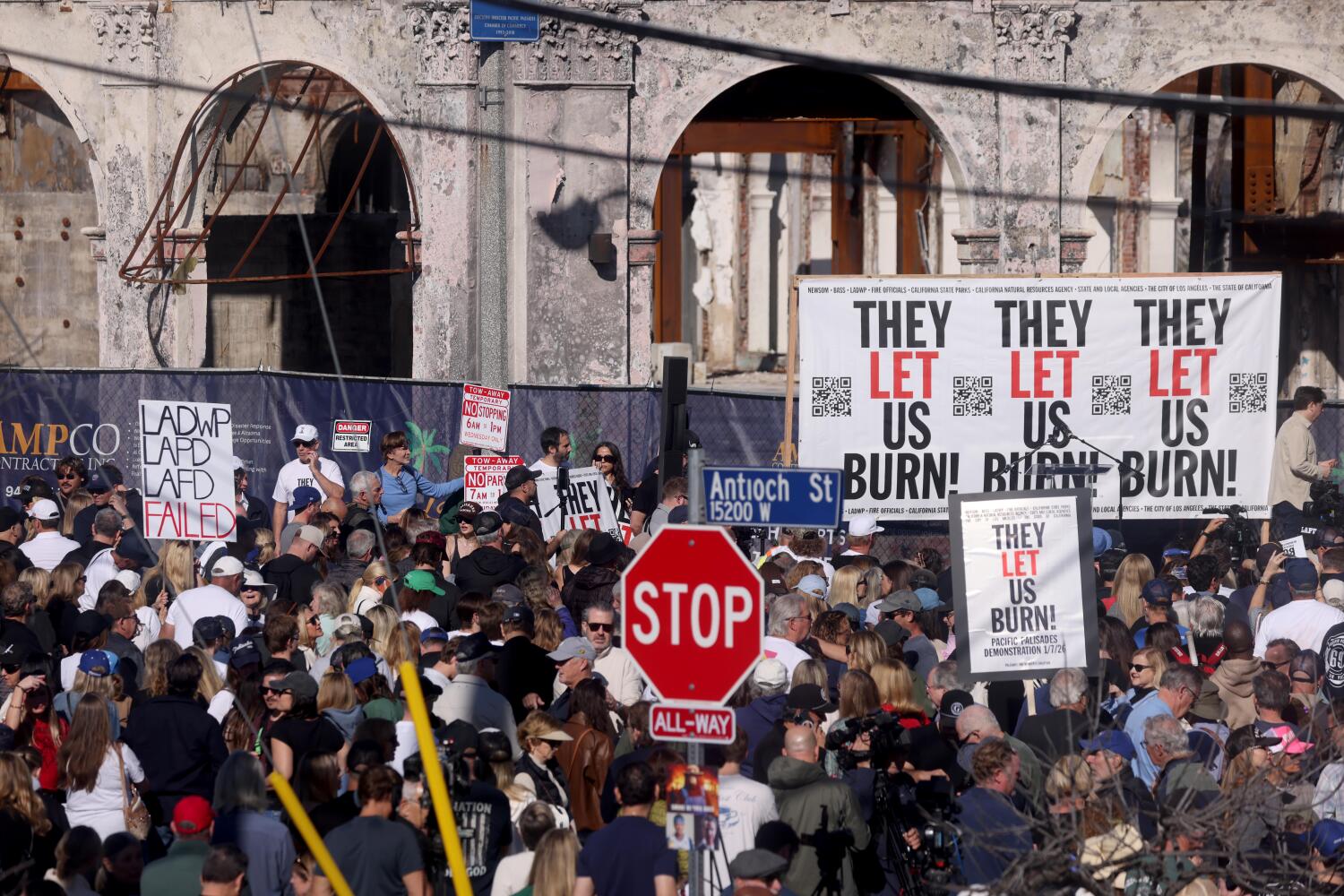
The anger at the meetings is palpable. It is the sound of a community realizing that the "California Dream" of living among the trees comes with a hidden, escalating price tag. The frustration isn't just about the dollar amount; it's about the lack of choice. You can't switch water companies like you switch cell phone providers. You are tied to the dirt you stand on.
This is the "invisible stake" of the climate era. We often talk about global temperatures or melting ice caps, but the reality of a changing world usually arrives in a plain white envelope. It looks like a line item on a utility bill. It feels like a tightening in the chest when you realize your fixed income doesn't have room for a "recovery fee."
The Metaphor of the Tank
Imagine a giant steel tank on a hill.
For decades, that tank sat there, quiet and dependable. It was part of the background, like the mountains themselves. But now, that tank is a symbol of everything that is breaking. To keep it full, the company has to spend more. To keep it safe, they have to hire specialized contractors. To keep it legal, they have to navigate a labyrinth of state regulations that seem designed for massive cities, not small mountain cooperatives.
The fee is the sound of that tank being refilled at a price the community can no longer afford, but cannot live without.
There is a psychological weight to this. When water becomes a luxury or a source of financial stress, the very nature of "home" changes. The garden becomes a liability. The long shower becomes a moment of guilt. The sound of a sprinkler is no longer a peaceful suburban white noise; it’s the sound of a ticking meter.
The Hard Truth of the San Gabriels
The Las Flores Water Company is a canary in the coal mine. What is happening in Altadena is a preview for every community built at the "Wildland-Urban Interface."
We have built our lives in beautiful, dangerous places. We have assumed that the infrastructure of the 20th century—the pipes, the wires, the roads—would be enough to carry us through the 21st. We were wrong. The mountain is demanding a higher tribute.
For the board members of the water company, the decision to implement the fee was likely agonizing. They live in these neighborhoods too. They see their friends at the grocery store. They know that for some, this fee means fewer groceries or delayed medical care. But they also know the alternative. They know what happens when the pumps fail during a Red Flag Warning.
They chose the anger of the living over the silence of the burned.
The tragedy of the situation is that there are no villains here, only victims of a changing environment and an aging system. The "Fire Recovery Fee" is a blunt instrument, a desperate attempt to patch a sinking ship with the only material available: the residents' own money.
The Weight of the Next Drop
Tonight, the wind might pick up.
In Altadena, people will check their windows. They will look toward the dark silhouette of the mountains. They will think about the water sitting in the tanks, held there by a fee they hate, in pipes they don't trust, managed by a company that is fighting for its life.
The water isn't just a commodity anymore. It’s a pact. It is the price of staying. It is the heavy, expensive, transparent gold that keeps the fire at bay.
As the residents of Altadena adjust to this new reality, the rest of the country should be watching. This isn't just a local dispute over a bill. It is the first draft of a new social contract. It is the realization that the cost of safety is rising faster than the water in the wells.
The mountain is thirsty, and it is finally sending us the bill.
Would you like me to look into how other California water districts are handling similar infrastructure surcharges?