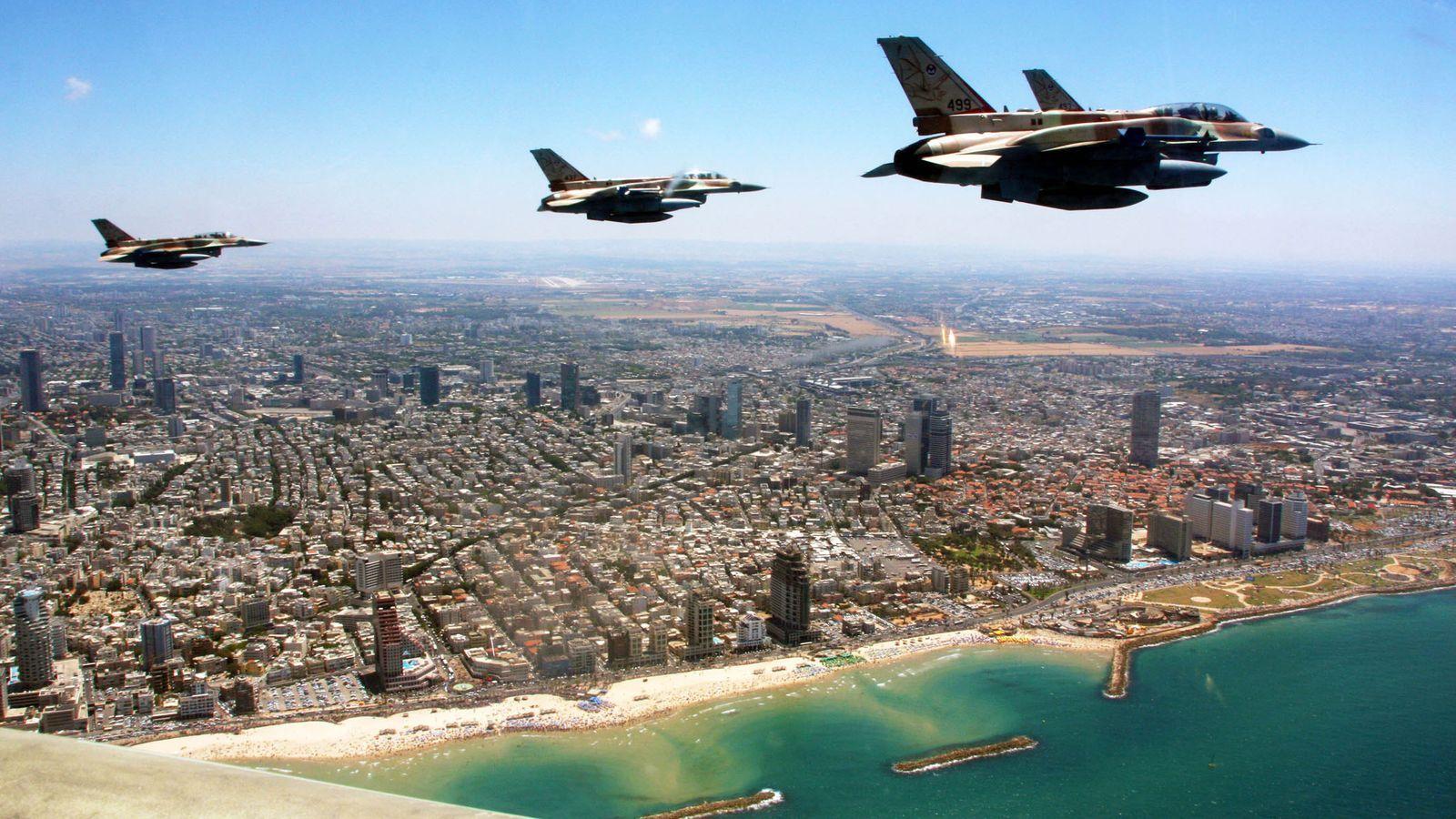
The sirens in Tel Aviv aren't just a background noise anymore. They're a signal for a massive, logistical shift that most civilians only see from the outside. If you walk past Ichilov Hospital or Sheba Medical Center today, things might look relatively calm at the entrance. But several stories below the pavement, a different reality is unfolding.
Israel’s medical infrastructure is currently undergoing its most significant stress test in decades. It isn't just about extra bandages or emergency room staff on double shifts. We're talking about the full-scale activation of "fortified" medical facilities. This means moving entire departments—ICUs, neonatal wards, and surgical suites—into massive underground bunkers designed to withstand direct missile hits and chemical attacks.
It’s a move that sounds like science fiction, but for the medical teams in Tel Aviv, it’s a practiced, grim necessity.
The Reality of the Underground Transfer
When the Home Front Command gives the order, the transition isn't a slow crawl. It's a sprint. Hospitals like Ichilov (Sourasky Medical Center) have parking garages that are double-purposed. In peace, you park your car there. In war, those same floors transform into a 700-6000 bed hospital in under 48 hours.
The floors have oxygen lines, electricity, and data ports built into the concrete pillars. You’ve probably seen the photos of rows of beds lined up where cars used to be. It looks cold, but these are some of the most advanced medical environments on the planet. They have independent air filtration systems that keep out biological or chemical agents.
Moving a patient who is on a ventilator or a premature baby in an incubator isn't easy. It’s dangerous. Every time you move a critical patient, you risk a tube dislodging or a monitor failing. The fact that Tel Aviv hospitals are doing this for hundreds of patients at once tells you exactly how high the perceived threat level is. They wouldn't take these risks if the danger above ground wasn't significantly worse.
Why the Fortified Hospital Model Works
Israel didn't just wake up and decide to build these. After the Second Lebanon War and years of rocket fire from various fronts, the Ministry of Health changed the building codes. Now, every new hospital wing must be "hardened."
Take the Sammy Ofer Fortified Underground Emergency Hospital at Ichilov. It’s one of the largest in the world. It’s a three-level facility located twenty meters below the ground.
- Level -1: Usually serves as a staff area and storage but converts to triage.
- Level -2 and -3: These are the primary clinical floors where the most sensitive operations happen.
The logic is simple. If a hospital is hit, the healthcare system collapses. If the system collapses, the front line doesn't matter. By moving the "engine room" of the city's health underground, the staff can work without stopping for every siren. Imagine trying to perform heart surgery when you have 90 seconds to get to a shelter. You can't. In the bunker, the surgery just keeps going.
The Mental Toll on Staff and Families
We often talk about the technology, but the human side is heavy. Nurses and doctors are working 12-to-24-hour shifts in a windowless, subterranean box. There’s no natural light. There’s no fresh air that hasn't been through a HEPA filter.
For families, it’s even weirder. You go to visit your grandmother and you’re directed to a parking ramp. You walk down past the smell of exhaust (which lingers for a bit) into a sterile, bright, crowded ward. It’s claustrophobic. It’s noisy. But it’s safe.
The hospitals have also had to implement strict visitor policies. You can't have crowds of people clogging the elevators when they need to move stretchers and supplies. It’s a controlled environment, almost like a submarine.
Preparation Beyond the Bunkers
Preparedness isn't just about the physical space. It’s about the blood bank. Magen David Adom (MDA) has its own massive underground blood center in Ramla, but the Tel Aviv hospitals keep their own reserves strictly managed.
They've also cleared out "elective" patients. If you had a minor knee surgery scheduled, it's cancelled. If you can be discharged safely, you're sent home. The goal is to keep as many beds open as possible for the expected influx of trauma cases. This "clearing the decks" is a standard part of the emergency protocol that happens the moment the threat level hits a certain threshold.
What This Means for the Region
This isn't just a local story about Tel Aviv. It’s a blueprint for modern urban warfare. Other cities around the world are now looking at the Israeli model of "dual-use infrastructure." How do you protect a civilian population when the front line is everywhere?
The cost of these facilities is astronomical. Building a hospital underground is three to four times more expensive than building one on the surface. But when you look at the alternative—trying to evacuate a hospital under fire—the investment seems like a bargain.
If you're following the news, watch the status of these hospitals. When they move the "vulnerable" departments—the NICU and the Dialysis units—underground, it's a lead indicator that the military expects a long, sustained period of conflict.
Practical Steps if You are in the Area
If you have family in a Tel Aviv hospital or need to go there yourself, stay informed through the official hospital apps and the Home Front Command website.
- Check the status of your appointment: Most non-urgent care is shifted to telehealth or postponed. Don't just show up.
- Follow the signs: If a hospital moves underground, the entrance points will change. Look for the "Protected Area" or "Emergency Ward" signage.
- Limit what you carry: Space is at a premium in the fortified wards. Don't bring large bags or multiple family members.
- Stay calm: The staff is trained for this. The underground wards are actually some of the safest places to be in the country right now.
The transition to underground facilities is a logistical feat that many countries couldn't pull off. It's a reminder that in this part of the world, "emergency preparedness" isn't a buzzword. It's a literal floor plan.
Expect these measures to stay in place until the security assessment shows a significant drop in the threat of long-range fire. Until then, the city continues to function, just a few stories deeper than usual.


