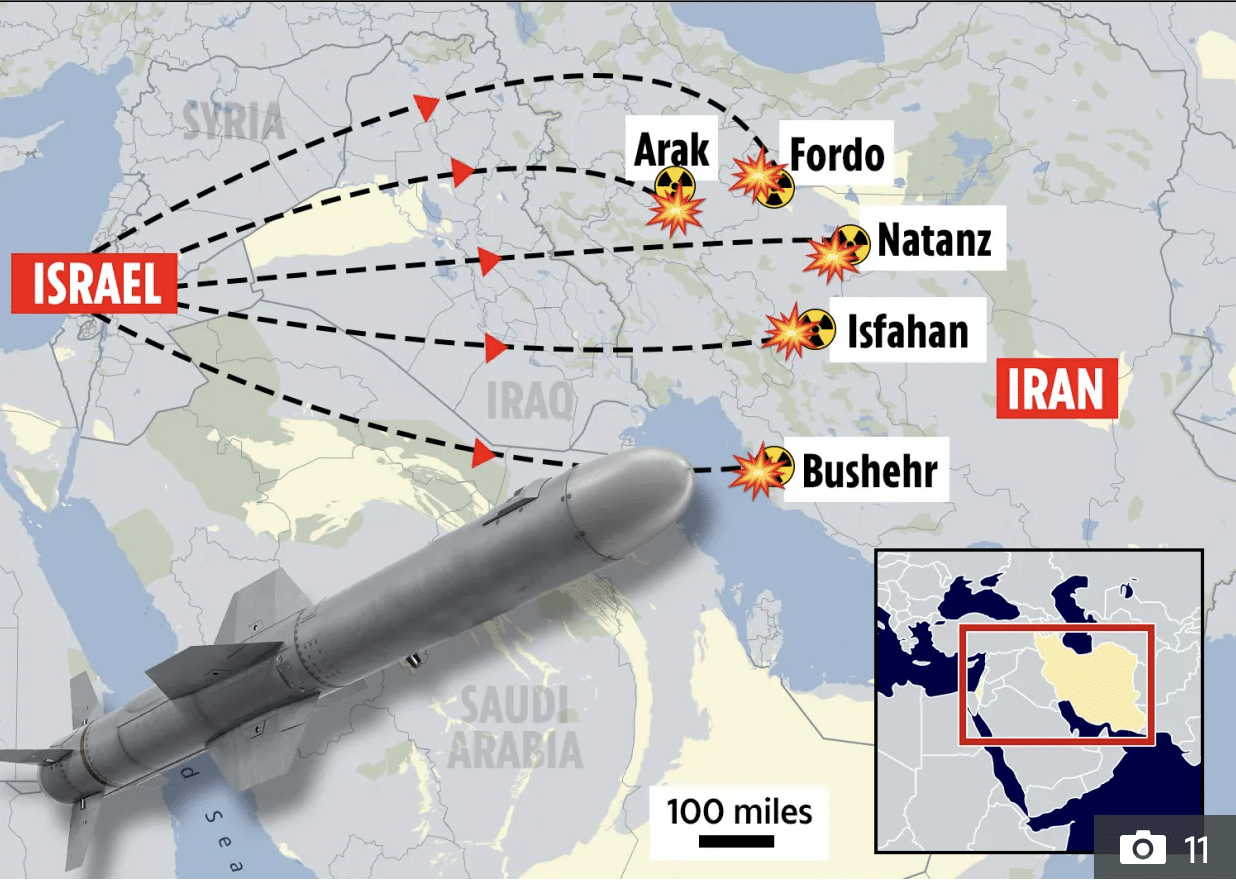
The explosions that rocked central Tehran during the al-Quds Day rally did more than scatter protesters and ignite localized fires. They signaled a terminal shift in the long-running covert struggle between Israel and Iran. For decades, both nations played a calculated game of deniable sabotage and proxy skirmishes. That era of restraint is dead. By striking the heart of the Iranian capital during its most significant state-sanctioned demonstration of regional influence, the aggressors—widely identified by intelligence sources as Israeli assets—have moved from tactical disruption to strategic humiliation.
This wasn't a random act of terror. It was a surgical message delivered with terrifying precision. The timing during al-Quds Day, an annual event dedicated to the Palestinian cause and the "liberation" of Jerusalem, turns a security breach into a psychological wound. When missiles or high-end loitering munitions find their mark in a city supposedly protected by layers of Russian-made S-300 batteries and domestic air defense systems, the narrative of Iranian sovereignty begins to fray. The message is clear: Nowhere is safe, and no moment is sacred.
The failure of the ring of fire
The immediate question is how any aircraft or drone penetrated the most heavily guarded airspace in the Islamic Republic. Iran has spent billions of dollars and decades of diplomatic capital building what its military commanders call a "ring of fire"—a network of regional proxies in Lebanon, Syria, Iraq, and Yemen designed to keep the fight away from Iranian soil. This strategy relied on the assumption that an attack on Tehran would be too escalatory for any adversary to consider.
That assumption has proved fatal. The strike demonstrates a total collapse of the deterrence model that has governed the Middle East since the 2015 nuclear deal. Intelligence suggests the operation likely involved small, short-range drones launched from within Iranian borders, or long-range stealth assets that bypassed radar detection via the "blind spots" in the Zagros Mountains. Either scenario points to a catastrophic failure of the Iranian Ministry of Intelligence and the Revolutionary Guard’s internal security apparatus.
If the drones were launched from inside Iran, it confirms that Mossad or other foreign agencies have established deep, operational cells within the country. This isn't just about technical superiority. It's about human penetration. It means the people building the drones or fueling the trucks may be on a foreign payroll.
Technical breakdown of the strike assets
Eyewitness accounts and wreckage recovered from the site point to a specific class of weapon. While initial reports claimed "missile fire," the lack of large craters and the high degree of accuracy suggest the use of loitering munitions—often called kamikaze drones. These platforms are small enough to evade traditional radar and can be programmed to recognize specific buildings or even individual windows using optical sensors.
- Small Radar Cross-Section: Traditional air defenses are designed to track fast-moving jets or large ballistic missiles. A drone with the wingspan of a coffee table, made largely of carbon fiber and plastic, is nearly invisible to older radar arrays.
- Electronic Warfare Saturation: Sources in the region indicate a massive spike in GPS jamming and electronic interference in the minutes leading up to the strike. This "blinds" the local command and control, preventing the military from coordinating a response until the targets are already burning.
- Pre-programmed Navigation: By using terrain-mapping software rather than relying purely on satellite signals, these assets can operate even in high-interference environments.
The precision shown in the Tehran strike suggests the attackers had real-time intelligence on the movement of key personnel. This wasn't a strike on a building; it was a strike on the people inside it. The timing, synchronized with the peak of the rally, ensured the maximum number of high-ranking IRGC officials were in the vicinity, potentially attending briefings or leading the march.
The internal political fallout
Supreme Leader Ayatollah Ali Khamenei now faces a choice that defines the remainder of his tenure. He can retaliate directly against Israeli soil, risking a full-scale regional war that Iran is currently ill-equipped to win, or he can absorb the blow and risk looking weak to his own hardliners. There is no middle ground left.
The "strategic patience" policy, long championed by the more cautious elements of the Iranian foreign ministry, is being shredded by the IRGC. Inside the halls of power in Tehran, there is a growing fury. The younger generation of Guard officers, who have seen their mentors assassinated in Damascus and now their own capital attacked, are demanding blood. They view the current leadership's hesitation as an invitation for further aggression.
However, the Iranian economy is in no position to support a sustained conflict. Inflation is rampant, and the rial is in a freefall. A direct war with a technologically superior military would likely lead to the collapse of the energy infrastructure that keeps the regime's lights on. The attackers know this. They are betting that Iran’s fear of domestic collapse is greater than its need for vengeance.
A new doctrine of preemptive humiliation
This event marks the birth of a new military doctrine in the Levant: Preemptive Humiliation. The goal is no longer just to destroy a centrifuge or a warehouse. The goal is to prove that the state cannot protect its most important symbols. By striking during al-Quds Day, the attackers turned a day of national pride into a day of national mourning and confusion.
This tactic targets the social contract between the Islamic Republic and its supporters. If the state cannot secure the capital during its most important holiday, its claim to regional leadership becomes laughable. This psychological warfare is arguably more damaging than the physical destruction of a few buildings.
The role of regional players
While Israel remains the primary suspect, the logistics of such a strike often require regional cooperation. Speculation is mounting regarding the role of northern neighbors or Gulf states who have grown weary of Iran’s drone exports to Russia and its support for the Houthi rebels.
- Azerbaijan: Long suspected of providing a "launching pad" for Israeli intelligence, Baku's relationship with Tehran has hit an all-time low.
- The Abraham Accords Bloc: While unlikely to have participated directly, the intelligence-sharing agreements between Israel and several Arab nations have created a much clearer picture of Iranian movements than existed five years ago.
- Internal Dissidents: The "Woman, Life, Freedom" protests may have subsided on the streets, but the resentment remains. Foreign intelligence agencies find a fertile recruiting ground among those who feel the regime has gambled away the country's future.
The intelligence gap
How did the attackers know where to hit? In the intelligence community, we call this "actionable window of opportunity." It requires more than just a satellite photo. It requires a mole. Someone with a high-level security clearance likely leaked the schedule of the rally’s organizers or the specific location of the temporary command center set up for the event.
The Iranian security services are now likely to begin a massive, paranoid internal purge. History shows that when these regimes feel vulnerable, they turn inward. This usually results in the arrest of innocent bureaucrats and military officers, further degrading the effectiveness of the government. This, too, is a win for the attackers. A distracted, self-cannibalizing intelligence service is one that cannot effectively plan a counter-attack.
The myth of the Russian umbrella
For years, Tehran has touted its military partnership with Moscow as a shield against Western or Israeli intervention. The Tehran strike proves that this shield is made of paper. Russian air defense technology, currently being depleted and outmaneuvered on the battlefields of Ukraine, has shown itself to be ineffective against the specific type of low-altitude, high-tech threats being deployed in the Middle East.
Iran has traded its own security for the hope that Russia would provide a "great power" deterrent. That deterrent has failed to materialize. Moscow is too preoccupied with its own survival to intervene in a Persian-Israeli conflict, leaving Tehran more isolated than it has been since the 1980s.
Assessing the damage to the proxy network
The ripples of this strike will be felt most acutely in Beirut and Baghdad. Hezbollah, Iran's most powerful proxy, now has to wonder if the "mother ship" can still provide the logistical and financial support it relies on. If Tehran is under fire, the flow of missiles and cash to Lebanon may be diverted to bolster domestic defense.
Furthermore, the strike emboldens anti-Iranian factions within Iraq and Syria. For a decade, these groups have been told that Iran is an unstoppable regional hegemon. That aura of invincibility vanished the moment the first drone hit its target in the Tehran skyline.
Technical specifications of suspected ordnance
| Feature | Description | Strategic Impact |
|---|---|---|
| Guidance | AI-assisted optical matching | Impossible to jam with traditional GPS spoofing |
| Payload | Shaped charge explosive | High lethality in confined spaces; minimal collateral |
| Range | 50–200 km (if launched locally) | Suggests internal launch sites or border infiltration |
| Signature | Ultra-low acoustic and thermal | Detected only seconds before impact |
The shift in red lines
The old rules stated that you didn't strike the capital. You didn't strike during major religious or political holidays. You didn't claim credit, and you didn't humiliate the opponent. All those rules have been discarded. We are entering a period of "unmasked" warfare where the goal is the total delegitimization of the adversary's statehood.
The attackers have calculated that the international community is too tired and too divided to intervene. With the United States distracted by an election cycle and Europe focused on its eastern border, there is a vacuum of authority in the Middle East. In that vacuum, those with the best drones and the best spies make the rules.
The smoke over Tehran will eventually clear, but the political atmosphere remains choked with the scent of a regime that has been found wanting. The strike didn't just break windows; it broke the illusion of control that has sustained the Islamic Republic for forty-five years. Whether this leads to a desperate, lashing out from the IRGC or a quiet, inward collapse remains to be seen, but the status quo is gone forever. The next move won't be made on a chessboard; it will be made in the dark, by someone who is already inside the room.
If you are tracking the movements of the IRGC’s Quds Force, look at the redeployment of assets from the Syrian border back toward the interior of Iran; this is the first sign of a regime that no longer trusts its own borders.


