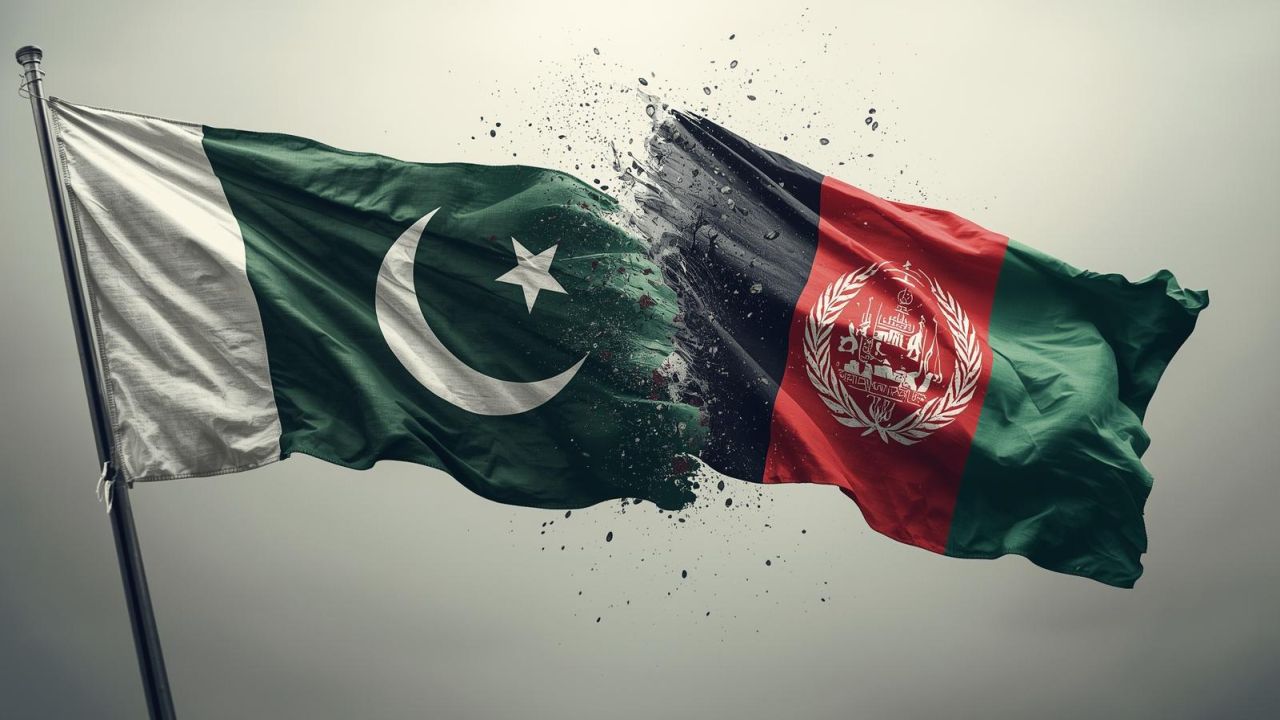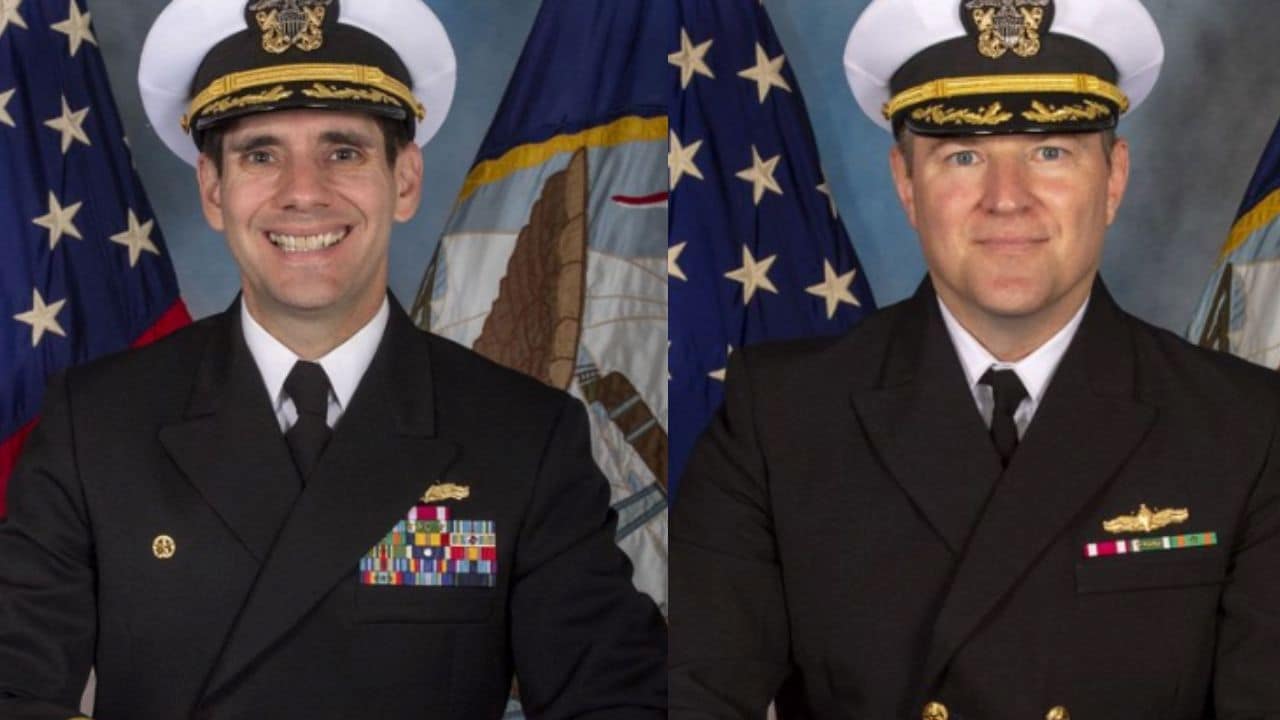
The Iranian judiciary has officially designated a list of U.S. Navy officers it claims are "responsible" for a strike on a school in Minab. The allegation centers on an incident that Tehran asserts resulted in the deaths of 175 schoolgirls. While the Iranian state media apparatus is treating these names as a finalized indictment for war crimes, the move is less about legal discovery and more about a sophisticated evolution in asymmetrical diplomatic warfare. This is not a standard legal filing. It is an aggressive attempt to personify geopolitical grievances by attaching specific names to abstract military operations.
To understand the weight of these accusations, one must first look at the geography and the timing. Minab sits in the Hormozgan Province, a strategic chokepoint near the Strait of Hormuz. The area is a perpetual tinderbox where U.S. naval assets and Iranian Revolutionary Guard Corps (IRGC) fast boats play a dangerous game of chicken every week. Tehran is now shifting the battlefield from the water to the courtroom, or at least the appearance of one. By naming specific officers, Iran is attempting to create a "no-fly zone" for these individuals’ careers, effectively using digital records to brand them with a scarlet letter that complicates international travel and future security clearances.
The Strategy of Individualized Liability
In traditional warfare, states hold states accountable. You sue a government at the Hague; you don't usually name a Lieutenant Commander in a press release. Iran is flipping this script. By targeting mid-level officers rather than just the "Great Satan" of the U.S. government, they are practicing a form of psychological operations intended to sow hesitation within the chain of command.
If an officer believes their name will end up on an international watch list or a "wanted" poster in the Middle East, does that change their finger on the trigger? That is the question Tehran wants every sonar technician and tactical action officer to ask themselves. It is a low-cost, high-impact method of deterrence. It requires no missiles, only a functional internet connection and a megaphone.
Verifying the Unverifiable
The primary challenge with the Minab allegations is the lack of independent corroboration. While Iranian outlets have been saturated with imagery of mourning, Western intelligence and independent monitoring groups have not confirmed a kinetic strike of this magnitude at the time specified. This creates a massive factual rift.
In the world of intelligence, we call this "shaping the environment." Even if the strike as described did not occur, or if the casualties were caused by a localized accident or a failed Iranian air defense test—as has happened in the past—the narrative of the "175 girls" becomes a fixed point in the regional psyche. Once a name is tied to a massacre in the public record, the truth becomes a secondary concern. The branding is the point.
The U.S. Navy has historically maintained a policy of "no comment" regarding specific personnel listed in foreign indictments to avoid validating the process. However, the silence from the Pentagon often leaves a vacuum that Iranian propaganda is more than happy to fill with detailed, albeit unverified, dossiers on the named officers.
Data as a Weapon of War
How does Iran get these names? It isn't always through high-level espionage. We live in an era where personal data is the most accessible munition on the planet. Between LinkedIn profiles, military promotion lists published in the Congressional Record, and social media footprints, building a "target list" of officers serving on a specific carrier strike group is a task for a motivated intern, not a master spy.
Open Source Intelligence (OSINT) has become a double-edged sword. While it allows for transparency in democratic societies, it provides authoritarian regimes with a menu of targets. By cross-referencing ship deployments with public officer lists, Tehran can assemble a roster that looks authoritative to the casual observer. This gives their "indictments" a veneer of professional investigative work that masks the underlying political motivation.
The Legal Theater of the Absurd
The Iranian court system operates under a framework where the judiciary is not independent of the supreme leadership. Therefore, these "arrest warrants" carry no weight in international law. No Interpol Red Notice is going to be issued based on a domestic filing from a Tehran prosecutor's office.
However, the legal theater serves a domestic purpose. It signals to the Iranian population that the regime is "fighting back" against Western pressure. It provides a counter-narrative to the sanctions that have crippled the Iranian economy. By framing the U.S. Navy as a criminal enterprise targeting children, the regime can justify its own hardline stances and military build-ups in the Persian Gulf.
The Role of Drone Warfare and Misidentification
If we look at the technical side of modern Gulf engagements, the margin for error is razor-thin. The region is crowded with commercial tankers, fishing dhows, and military vessels. If there was an engagement near Minab, it likely involved the use of Unmanned Aerial Vehicles (UAVs).
Iran has become a global leader in low-cost drone technology. They often use these assets to provoke U.S. sensors. If a U.S. vessel engages a drone and the debris falls in a populated area, who is responsible? The side that fired the interceptor, or the side that sent the drone over a school? These are the grey-area questions that never make it into the Iranian press releases.
Examining the Counter-Arguments
A skeptic might ask if the U.S. is truly blameless. History provides some uncomfortable precedents, most notably the 1988 downing of Iran Air Flight 655 by the USS Vincennes, which killed 290 people. That event is the foundational trauma of the Iranian Navy's relationship with the U.S. Fifth Fleet.
Because of that history, any claim of U.S. naval negligence is immediately believed by a large portion of the global south. This is the "Experience" factor of Iranian propaganda. They aren't inventing a new villain; they are writing a sequel to a story that their audience already knows by heart. The problem for the U.S. is that even a 100% false allegation is viewed through the lens of past 1% truths.
The Impact on Maritime Operations
The immediate result of this naming-and-shaming campaign is an increase in operational security (OPSEC). U.S. sailors are being told to scrub their digital lives. The days of posting a selfie from the deck of a destroyer with a geotag are over.
But the ripple effect goes deeper. It affects recruitment and retention. When a young officer joins the Navy, they expect the risks of combat. They don't necessarily expect their family's home address or their personal history to be blasted across state-run media in the Middle East as part of a "war criminal" profile. This is the new front line. It is a war of nerves where the ammunition is identity.
A Cycle of Escalation
We are seeing a move toward "lawfare"—the use of legal systems as a substitute for traditional military force. Iran's list is a response to U.S. sanctions and the designation of the IRGC as a terrorist organization. It is a game of tit-for-tat where the stakes are the lives and reputations of individuals who are often just doing their jobs.
The danger of this specific escalation regarding the Minab school is that it leaves no room for de-escalation. By claiming the deaths of 175 children, Tehran has set a bar for "justice" that cannot be met through diplomatic channels. It forces a posture of permanent hostility.
The naming of these officers is a calculated move to ensure that even if a new nuclear deal is signed, the personal animosity between the two militaries remains at a boiling point. It turns the Persian Gulf into a space where every interaction is viewed not through the lens of maritime law, but through the lens of an ongoing criminal trial.
The Logistics of the Allegation
Consider the sheer scale of the claim. To kill 175 people in a single strike on a school would require a massive ordnance delivery. In the age of constant satellite surveillance and social media, an explosion of that magnitude leaves a physical and digital footprint that is impossible to hide.
Yet, there is a total absence of independent satellite verification or third-party NGO reports from the ground in Minab. This suggests the "strike" is a composite narrative—taking smaller, unrelated incidents and inflating them into a singular, catastrophic event for maximum emotional impact. It is a masterclass in "fake news" utilized at a state level.
The officers named by Iran find themselves in a bizarre kind of limbo. They are heroes at home and "terrorists" in a country they have never stepped foot in. They are victims of a new type of warfare where the weapon is a press release and the battlefield is the search engine results page.
The U.S. Navy must now decide how to protect its people from this digital targeting. If they ignore it, the narrative hardens. If they fight it, they risk giving the allegations more oxygen than they deserve. There is no clean way out of a propaganda trap once it has been set. The only real defense is a relentless adherence to transparency, but in the world of naval operations, transparency is often the first casualty of security.
Every name added to that list is a brick in a wall that will take decades to tear down. The tragedy isn't just the potential loss of life in a volatile region, but the systematic destruction of the truth in favor of a narrative that serves only the survival of a regime. We are watching the birth of a new doctrine where the individual is the target, the truth is a variable, and the goal is total psychological paralysis.
Stop looking for a smoking gun in the rubble of Minab. The real weapon was the list itself.