Breathing in Tehran has never been easy. For decades, the city's geography—a bowl-shaped basin hugged by the Alborz Mountains—has trapped a thick, gray soup of smog over its residents. But something has shifted. What used to be a chronic public health crisis involving old Peugeots and low-quality fuel is morphing into a security nightmare. The intersection of regional conflict, energy sabotage, and desperate domestic policies is turning the very air of the Iranian capital into something that looks, smells, and acts like a chemical weapon.
It’s not just about exhaust pipes anymore. When you look at the spike in respiratory admissions during periods of heightened regional tension, you see a pattern that isn't just "bad luck" with the weather. The city is suffocating because war, both hot and cold, dictates what goes into the atmosphere. If you enjoyed this post, you should look at: this related article.
The Mazut Trap and Energy Warfare
Iran sits on some of the world’s largest gas reserves. You’d think they’d have plenty to go around. They don't. Because of a crumbling infrastructure hit by years of sanctions and the looming threat of strikes on energy nodes, the country faces a massive natural gas deficit every winter.
When the gas runs out or is diverted to keep the military-industrial complex humming, the government makes a choice. They switch power plants to mazut. This is a heavy, low-quality fuel oil. It’s essentially the dregs of the refining process. It’s thick. It’s cheap. And it’s absolutely loaded with sulfur. For another perspective on this development, refer to the latest coverage from Al Jazeera.
Burning mazut in a valley like Tehran is a recipe for disaster. The sulfur dioxide ($SO_2$) levels skyrocket. In any other country, this would be an environmental crime. In a state of near-war, it’s labeled "national interest." You see the smoke stacks on the outskirts of the city belching out yellow-tinged clouds. That’s not just pollution; that’s a direct result of a besieged economy prioritizing survival over the lungs of its citizens.
Sanctions are Choking the Streets
We need to talk about the "Araba-e-Marg" or the chariots of death. These are the millions of outdated, inefficient vehicles that clog Tehran’s arteries. Why are they still there? Because sanctions have cut off access to modern automotive technology and high-grade catalytic converters.
The domestic car industry, led by giants like Iran Khodro, produces vehicles that are essentially decades-old designs with shiny new shells. They burn fuel poorly. They leak toxins. When the West tightens the screws on imports, the average Iranian can’t afford to upgrade to a cleaner Euro-5 or Euro-6 compliant vehicle. They’re stuck with 1990s tech in 2026.
This creates a feedback loop. The more isolated the country becomes, the more it relies on "self-sufficiency" which usually means cutting environmental corners. The air becomes a physical manifestation of the geopolitical deadlock. It’s heavy. It’s metallic. It’s killing people at a rate that rivals traditional combat.
Particulate Matter as a Strategic Concern
The data from the Tehran Air Quality Control Company often tells a grim story, though the numbers are sometimes massaged to prevent panic. We’re looking at PM2.5 levels—tiny particles that can cross the blood-brain barrier—that frequently hit "hazardous" levels.
During times of military posturing, logistics movements increase. Heavy trucks, often exempt from emission standards for "security reasons," move through the city under the cover of night. These convoys contribute to a massive spike in nitrogen dioxide ($NO_2$) and particulate matter.
If you’re living in north Tehran, you might see the haze and think it’s just a bad day. If you’re in the south, near the industrial zones, you can feel your throat closing. This isn't a byproduct of growth. It’s a byproduct of a nation geared for conflict. The "chemical weapon" isn't being dropped by a foreign jet; it's being generated by the city's own desperate attempt to stay powered and mobile while under siege.
The Health Toll No One Admits
Official records from the Ministry of Health usually talk about "underlying conditions." That’s a convenient way to ignore the 30,000 to 40,000 deaths annually in Iran attributed to air pollution. Doctors in Tehran hospitals will tell you off the record that the cases of "Tehran cough" aren't just asthma. They’re chemical burns of the respiratory tract.
- Skin conditions: A massive rise in unexplained dermatitis among children.
- Neurological issues: Links between high $SO_2$ levels and increased rates of Parkinson’s in the city’s older population.
- Mental health: The "gray sky" effect contributes to a collective depression that mirrors the anxiety of living under the threat of airstrikes.
When the air is this toxic, it serves a political purpose. It keeps people indoors. It makes them lethargic. It stifles the energy needed for protest. Whether intentional or not, the smog acts as a crowd-control agent.
Psychological Warfare Through Pollution
There’s a specific kind of dread that comes with a "red alert" for air quality. It feels remarkably similar to a siren for an incoming missile. The government tells you to stay home. Schools close. The economy grinds to a halt.
This creates a state of permanent emergency. When people are constantly in survival mode—struggling to breathe, worrying about their kids' lungs—they have less bandwidth to challenge the status quo. The air quality becomes a tool of domestic stability through physical debilitation.
The irony is thick. The state blames "external enemies" for the sanctions that lead to mazut burning. The people breathe the result. It’s a closed system of misery where the atmosphere itself has been weaponized by the circumstances of a perpetual war footing.
Moving Toward a Solution or a Gasp
Clean air in Tehran isn't going to happen through a new "green initiative" or better filters. It requires a fundamental shift in the regional security architecture. As long as the threat of war exists, the gas will be diverted, the mazut will be burned, and the ancient cars will keep rattling through the streets.
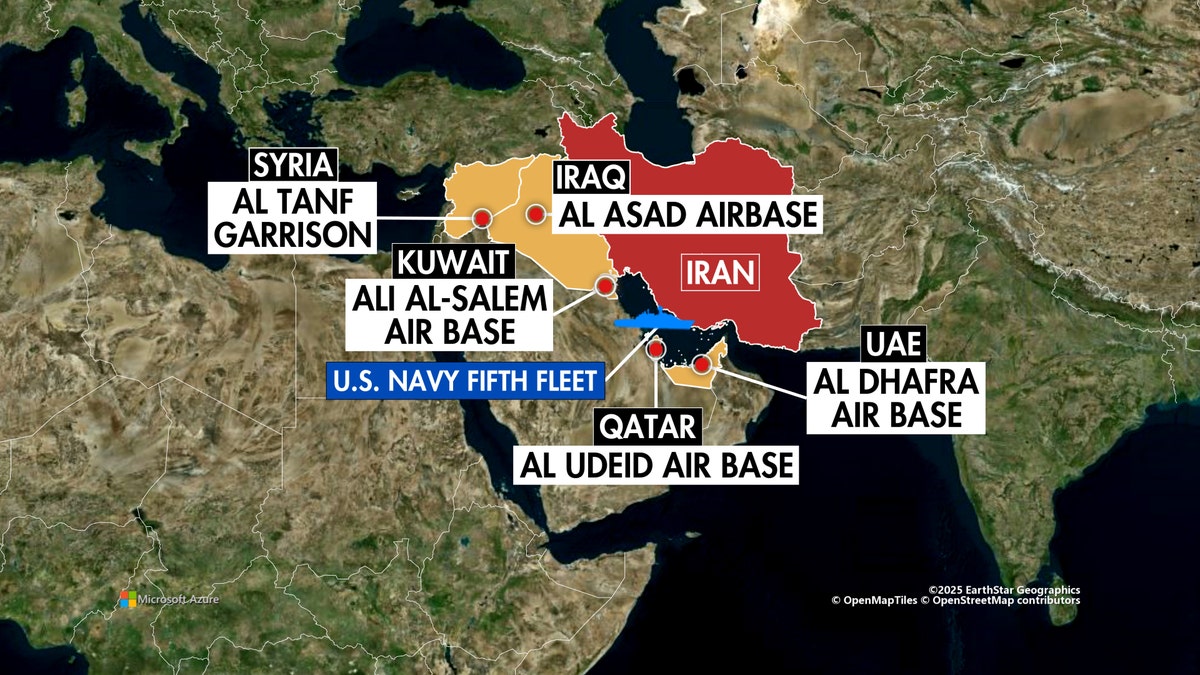
If you’re looking for a way to track this, don't just look at the AQI (Air Quality Index). Look at the price of natural gas and the movement of oil tankers in the Persian Gulf. When the sea gets hot, the air in Tehran gets toxic.
To protect yourself in the short term, high-end HEPA filters are no longer a luxury in Tehran; they're survival gear. But even the best filter can't scrub out the reality of a city where the sky is a casualty of war.
Monitor the $SO_2$ levels specifically. If you see those numbers climbing while the government claims "moderate" pollution, you know they’ve switched to mazut. That’s your signal to seal the windows and limit any physical exertion. The battle isn't just on the borders; it's in every breath you take on Vali-e-Asr Street.