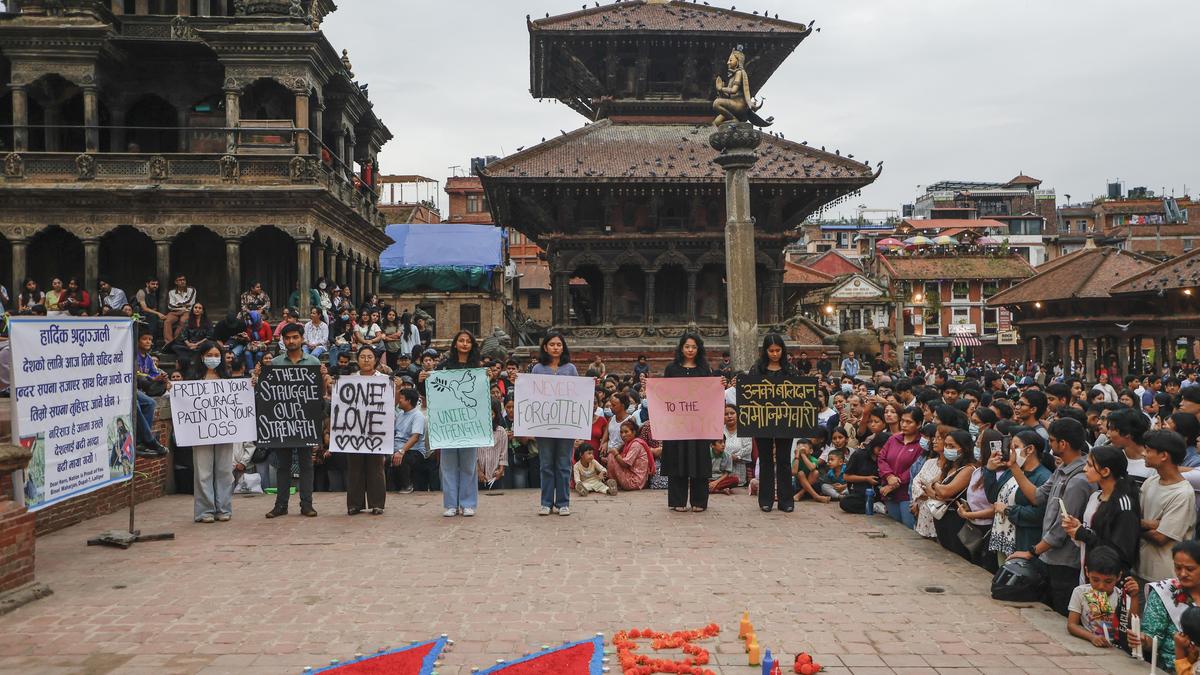
Rain slicked the cobblestones of Patan Durbar Square, turning the ancient bricks into mirrors of a gray, undecided sky. Inside a cramped tea shop barely large enough for three benches, the steam from a bubbling pot of masala chai carried more than just the scent of cloves. It carried the weight of a nation’s exhaustion.
An old man named Arjun, whose fingers were permanently stained with the ink of a thousand discarded newspapers, sat in the corner. He had lived through the fall of a monarchy, a decade of civil war, and the slow, agonizing realization that the men who led the revolution had become the very statues they once sought to topple. For thirty years, the names at the top of the ballot in Nepal hadn't really changed. They were the "Big Three"—a rotating carousel of aging revolutionaries who traded the Prime Minister’s chair like a tired heirloom.
Then came the tremor. Not the kind that shakes the earth, but the kind that rattles the ballot box.
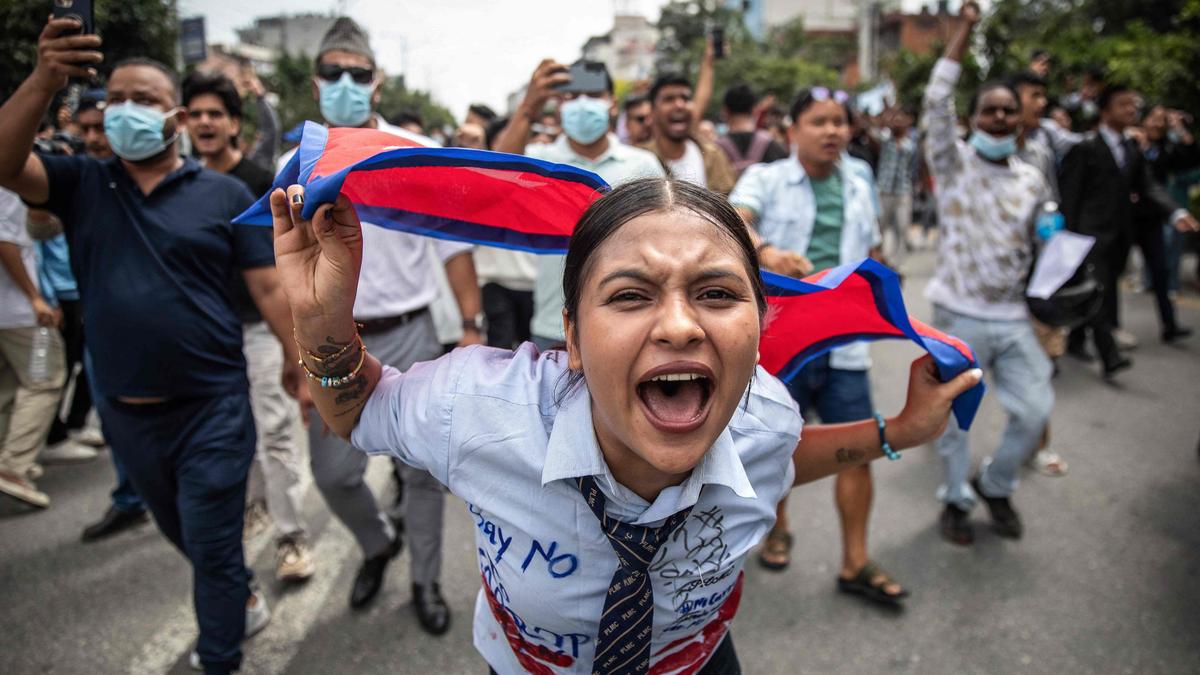
Nepal is currently witnessing a tectonic shift that has nothing to do with its geography and everything to do with a generation that grew up with the internet in their pockets and a growing hole in their stomachs. The old guard, the men who fought in the jungles and spoke in the dusty rhetoric of the 1990s, are suddenly finding that their war stories no longer pay the rent in Kathmandu.
The Mathematics of Disenchantment
To understand why the ground is moving, you have to look at the numbers, but not as cold statistics. Look at them as heartbeats.
In the most recent elections, the traditional powerhouses—the Nepali Congress, the CPN-UML, and the Maoist Center—retained their structures but lost their souls. They watched in stunned silence as a television presenter with no political lineage, Rabi Lamichhane, and his brand-new Rastriya Swatantra Party (RSP) swept through urban centers. The RSP didn’t have a decades-old grassroots network. They didn't have a history of "struggle" in the traditional sense.
What they had was a bell. Literally. Their symbol was a bell, and they rang it until the ears of the establishment bled.
Consider the hypothetical, yet painfully common, story of Sunita. She is twenty-four, has a degree in information technology, and spends her mornings scrolling through LinkedIn and her afternoons filling out visa applications for Qatar or Australia. To her, the "Big Three" leaders are not heroes of democracy. They are the architects of a system that exports its greatest resource—its youth—because it cannot figure out how to keep the lights on or the corruption down.
When Sunita walked into the voting booth, she didn't look for the sun, the tree, or the hammer and sickle. She looked for something that didn't smell like the past.
The shift is a rejection of "Bhagbanda"—the uniquely Nepali practice of political horse-trading where parties with diametrically opposed ideologies form "Frankenstein coalitions" just to stay in power. It is a system designed to ensure that no matter who you vote for, the same five men decide your future over private dinners in the suburbs of Lalitpur.
The Ghost in the Machine
The problem with a revolution that succeeds is that the revolutionaries eventually have to govern. The Maoists, who once promised a radical leveling of society, have spent the last decade becoming the very elite they loathed. Their leader, Pushpa Kamal Dahal, known by his nom de guerre "Prachanda" or The Fierce One, has become a symbol of political survival at any cost.
But survival is not the same as leadership.
The new wave of politics in Nepal is defined by a shift from identity to utility. For years, the political discourse was dominated by the "Federalism vs. Centralism" debate or ethnic representation. These are vital, necessary conversations for a diverse nation. However, for a laborer in the Terai or a shopkeeper in Pokhara, the grand theories of governance matter less than the price of chemical fertilizer and the reliability of the internet.
The new parties are technocratic. They speak the language of "deliverables." They use social media not just for propaganda, but for real-time accountability. When a traditional politician makes a promise, the public expects a five-year delay. When a member of the new guard speaks, the youth expect a TikTok update by evening showing progress.
A Fragile New World
It would be a mistake to call this a finished victory. The old guard is not going quietly into the night. They still control the bureaucracy, the police, and the vast patronage networks that reach into the furthest mountain villages where the internet is still a luxury.
The current political landscape is a jagged, uncomfortable mosaic. We see a Prime Minister from one party, supported by a coalition of rivals who spend their afternoons plotting his downfall. It is a government of mutual suspicion.
This instability has a human cost. When the top levels of government are in a constant state of "musical chairs," policy dies. The "tectonic shift" isn't just about new faces; it's about the friction between an old system that refuses to die and a new one that isn't yet strong enough to be born.
Imagine a bridge halfway finished over a roaring Himalayan river. The old stones are crumbling, and the new steel cables are being bolted into place, but for now, the people are forced to walk across the gap on a precarious tightrope.
The Identity of the New Nepali
There is a specific kind of pride emerging in the streets of Kathmandu. It is a pride that is no longer satisfied with being "the land of Everest" or "the birthplace of Buddha." It is a pride that wants to be "the country where the healthcare system works" and "the nation where you don't need a bribe to get a driver's license."
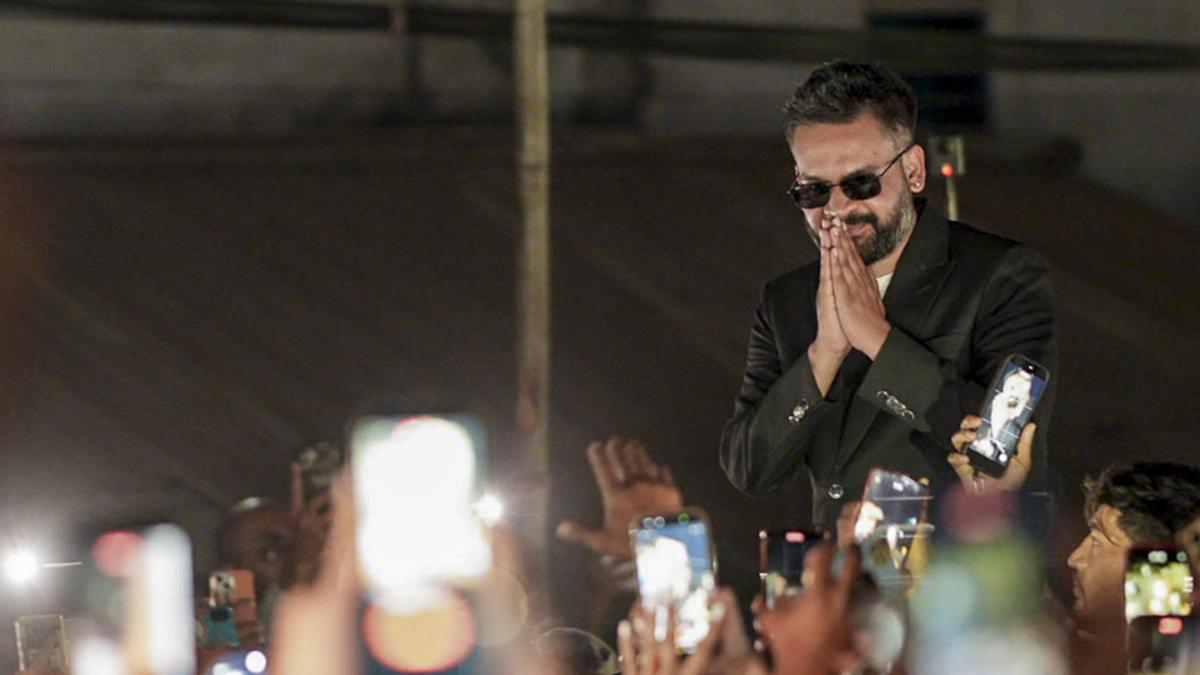
The emergence of independent mayors like Balendra Shah in Kathmandu has served as a proof of concept. He didn't need a party. He needed a vision and a pair of iconic sunglasses. By focusing on the "unsexy" work of waste management and urban planning, he showed that the public’s thirst for basic competence is far greater than their loyalty to any political flag.
This is the invisible stake: the soul of the Nepali state. Is it a tool for the enrichment of a few dozen families, or is it a platform for thirty million people?
The old guard argues that they brought democracy to Nepal. They are right. They did. But democracy is a living thing; it requires more than just the right to vote. It requires the right to hope. When the history of this era is written, it won't be the treaties or the formal proclamations that matter most. It will be the moment the common citizen realized that their vote was not a debt owed to the past, but an investment in a future that they finally dared to imagine for themselves.
The tea shop in Patan is quiet now. Arjun folds his paper. He looks at the younger patrons, their eyes glued to their phones, their thumbs flicking through a world the old leaders cannot comprehend. He smiles, a slow, wrinkled movement of his lips. The rain has stopped. The air is clear. For the first time in a long time, the mountains are visible behind the smog.
The giants are still there, but they no longer seem so unshakeable.
Change isn't coming. It's already in the room, drinking tea, and it's tired of waiting its turn.
Would you like me to analyze the specific economic policies proposed by these new political factions to see how they differ from the traditional party platforms?