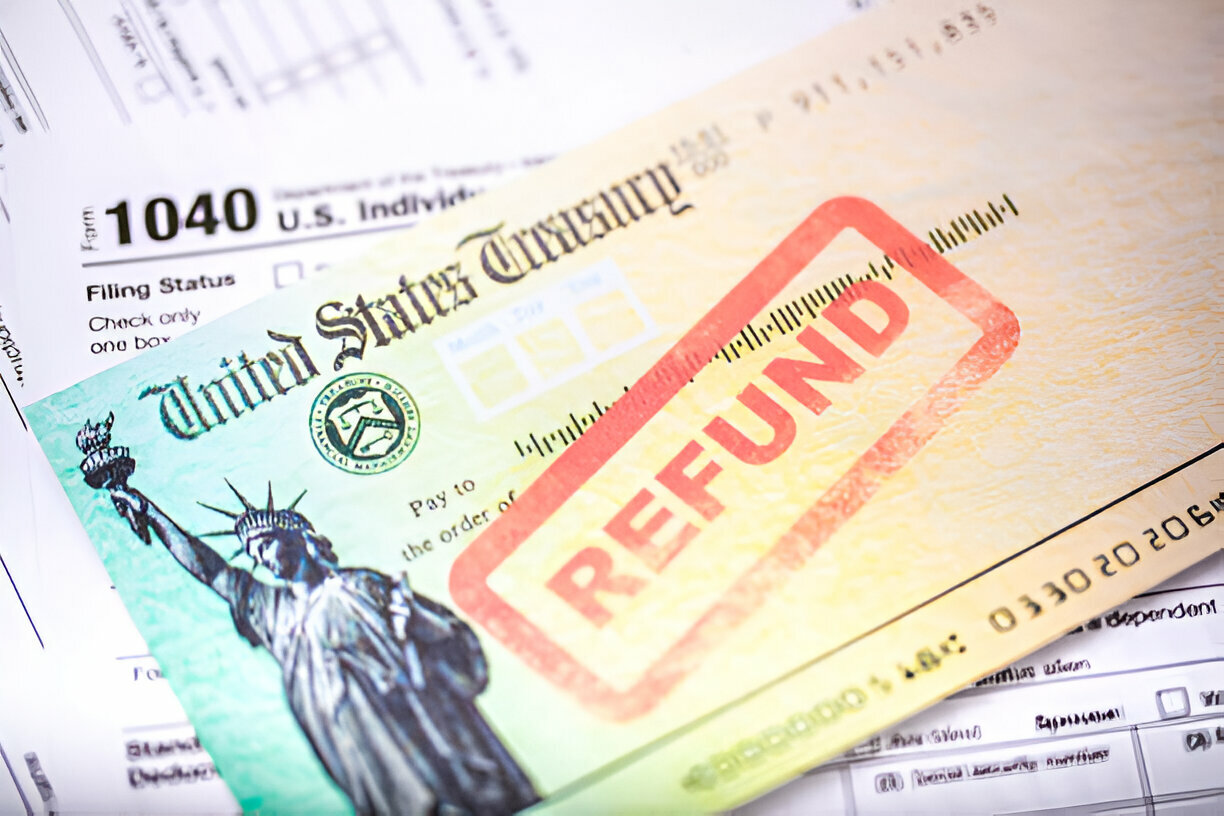
The headlines are cheering. The IRS is reporting a 14.2% jump in the average tax refund, and the general public is celebrating like they just won the lottery. They didn't. They just gave the federal government a zero-interest loan for twelve months while inflation chewed away at their purchasing power.
If you are excited about a $3,000 check from the Treasury, you are effectively admitting that you are incapable of managing your own capital. You are cheering for a return of your own overpayments—money that could have been sitting in a high-yield savings account, offset your credit card debt, or bought into a bull market. Instead, you let the IRS hold it for safekeeping because you lack the discipline to adjust your W-4.
This isn't a "windfall." It’s a systemic failure of basic financial literacy.
The Inflationary Math the IRS Doesn't Mention
Let’s look at the numbers the mainstream media ignores. If your refund is $3,200 (roughly the current average), and that money was withheld evenly throughout the previous year, you lost money in real terms.
While that money sat in a government vault, the Consumer Price Index (CPI) was active. The $200 you overpaid in January of last year has significantly less buying power when it finally hits your bank account in April of this year. By the time you get that "bonus," it buys 3% to 5% less than it would have when you earned it.
You didn't get a raise. You got a devalued pile of your own labor.
The Opportunity Cost of the "Big Check"
Financial influencers love to talk about "forced savings." It’s a patronizing concept. It suggests that the average American is so fiscally incompetent that they need the IRS to act as a piggy bank they aren't allowed to touch.
Consider the math. If you had adjusted your withholdings to bring that $3,200 home in your monthly paycheck—roughly $266 extra per month—and put it into a basic money market fund yielding 5%, you’d have the principal plus the interest. Instead, the government kept the interest.
I have watched high-net-worth clients obsess over a 0.5% difference in their bond yields, yet the average worker treats a 100% loss on potential interest as a "win." It’s a psychological trick that relies on people being "numb" to the line items on their paystubs.
Why the 14% Spike is a Red Herring
The 14.2% increase in refund size isn't a sign of a booming economy or a more generous tax code. It’s a lagging indicator of shifts in tax credits and a massive correction from the previous year’s processing delays.
- The Child Tax Credit Trap: Many families are seeing larger refunds because they no longer receive the advanced payments that were briefly standard during the pandemic era. You aren't getting more money; you’re just getting it all at once at the end of the year instead of when you actually needed it to pay for groceries and childcare.
- Bracket Creep and Withholding Lag: The IRS adjusted tax brackets for inflation, but many payroll systems didn't catch up fast enough. This resulted in over-withholding for millions of middle-class earners. The "increase" in your refund is actually just a symptom of a clunky, outdated administrative system finally catching up to reality.
The Myth of the "Tax Season Bonus"
People treat their refund as "found money." This leads to what behavioral economists call "mental accounting." When you earn a dollar through hard work, you’re careful with it. When you get a $3,000 "gift" from the IRS, you spend it on a Peloton, a vacation, or a new TV.
The IRS loves this. Retailers love this. The only person losing is you. You are spending your own back-pay on depreciating assets because the timing of the payment triggered a dopamine hit that bypassed your rational brain.
The Counter-Intuitive Strategy: Aim for Zero
The goal of every taxpayer should be to owe the IRS exactly $0 and receive a refund of exactly $0.
In a perfect world, you would actually want to owe the IRS a small amount—just enough to stay under the penalty threshold—because that means you used their money for a year, interest-free, instead of the other way around.
How to Kill the Refund Forever
- Use the IRS Withholding Estimator: Do not trust the HR person at your office to get this right. Go to the IRS website, input your data, and see where you stand mid-year.
- Adjust Your W-4 Now: If you’re tracking a $4,000 refund, change your withholding today. Put that money into an automated brokerage account or a Roth IRA.
- Treat Every Dollar the Same: Stop mentally separating "earned income" from "tax refund." Both came from the same hours of your life.
Stop being a submissive creditor to the United States Treasury. Every dollar you overpay is a dollar that could have worked for you. A 14% increase in the average refund is a 14% increase in the failure of the American worker to manage their own financial affairs.
The IRS isn't giving you a gift. They’re giving you your own money back, and you’re thanking them for the privilege.

+-+Ai+Lean+Blog.png)

