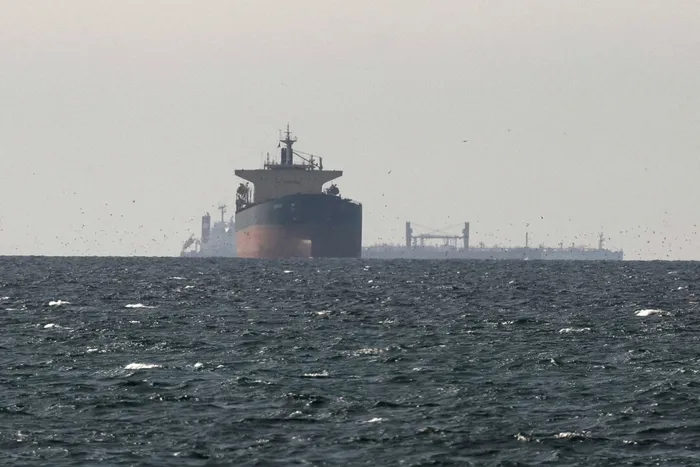
The Myth of the Strait of Hormuz Chokepoint
Every time a drone hits a hull in the Gulf, the mainstream media dusts off the same tired map of the Strait of Hormuz. They point to that narrow strip of water like it’s the jugular of the global economy. They tell you oil will hit $200. They tell you the world is ending. They are wrong.
The "Strait of Hormuz Chokepoint" is the greatest ghost story in modern geopolitics. It’s a narrative designed to keep defense budgets high and retail traders panicked. If you’re looking at these attacks as a prelude to a global energy collapse, you’re missing the actual tectonic shift happening underneath your feet.
The reality? The world has spent the last twenty years building a massive insurance policy against this exact scenario, and it’s called infrastructure redundancy.
The Geography of Irrelevance
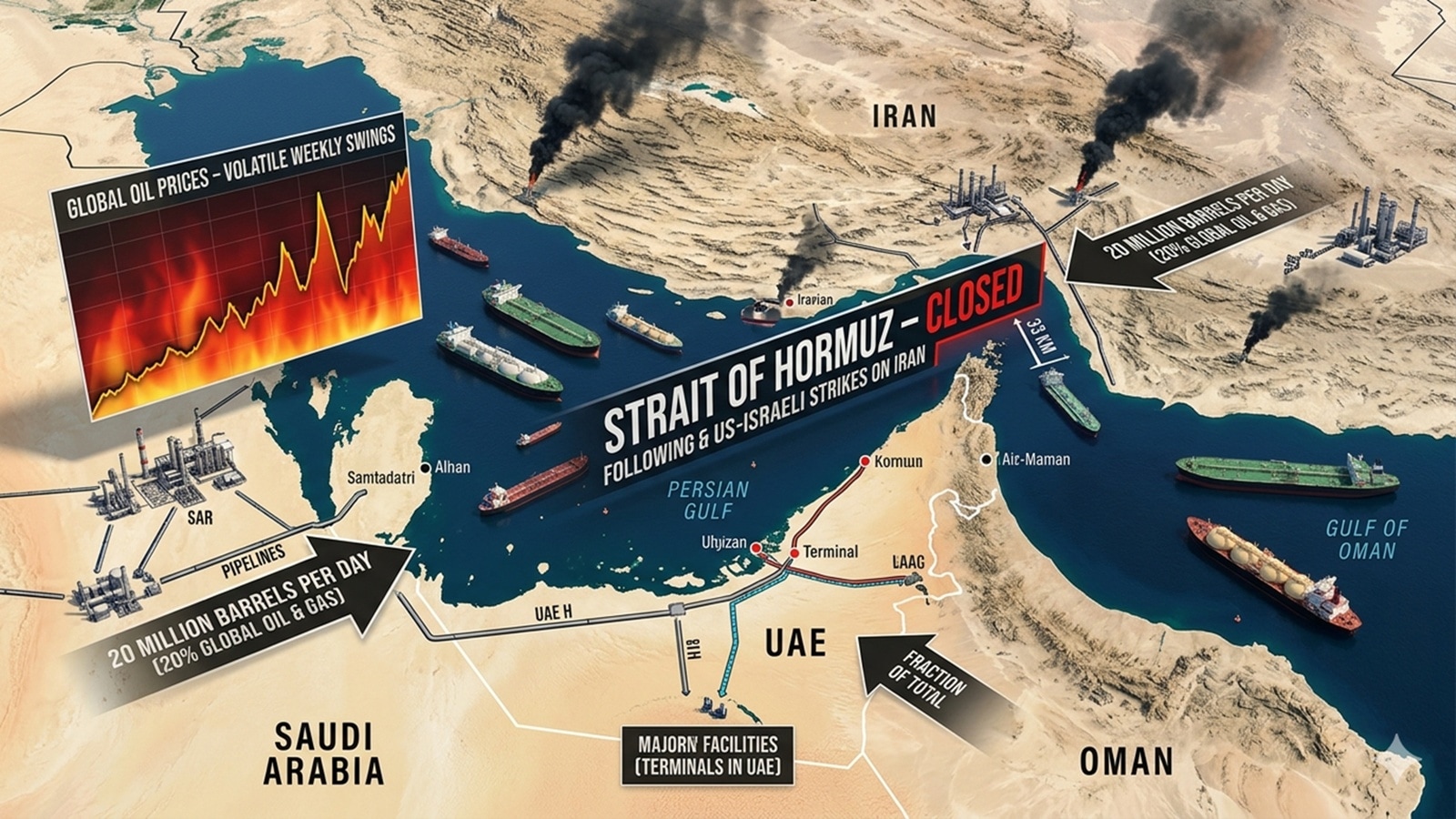
Let’s look at the math. The mainstream insists that because 20% of the world’s oil passes through the Strait, any disruption is catastrophic. This ignores the massive network of pipelines that have quietly bypassed the Gulf over the last decade. Saudi Arabia’s East-West Pipeline and the UAE’s Habshan-Fujairah line can move millions of barrels per day directly to the Red Sea or the Gulf of Oman.
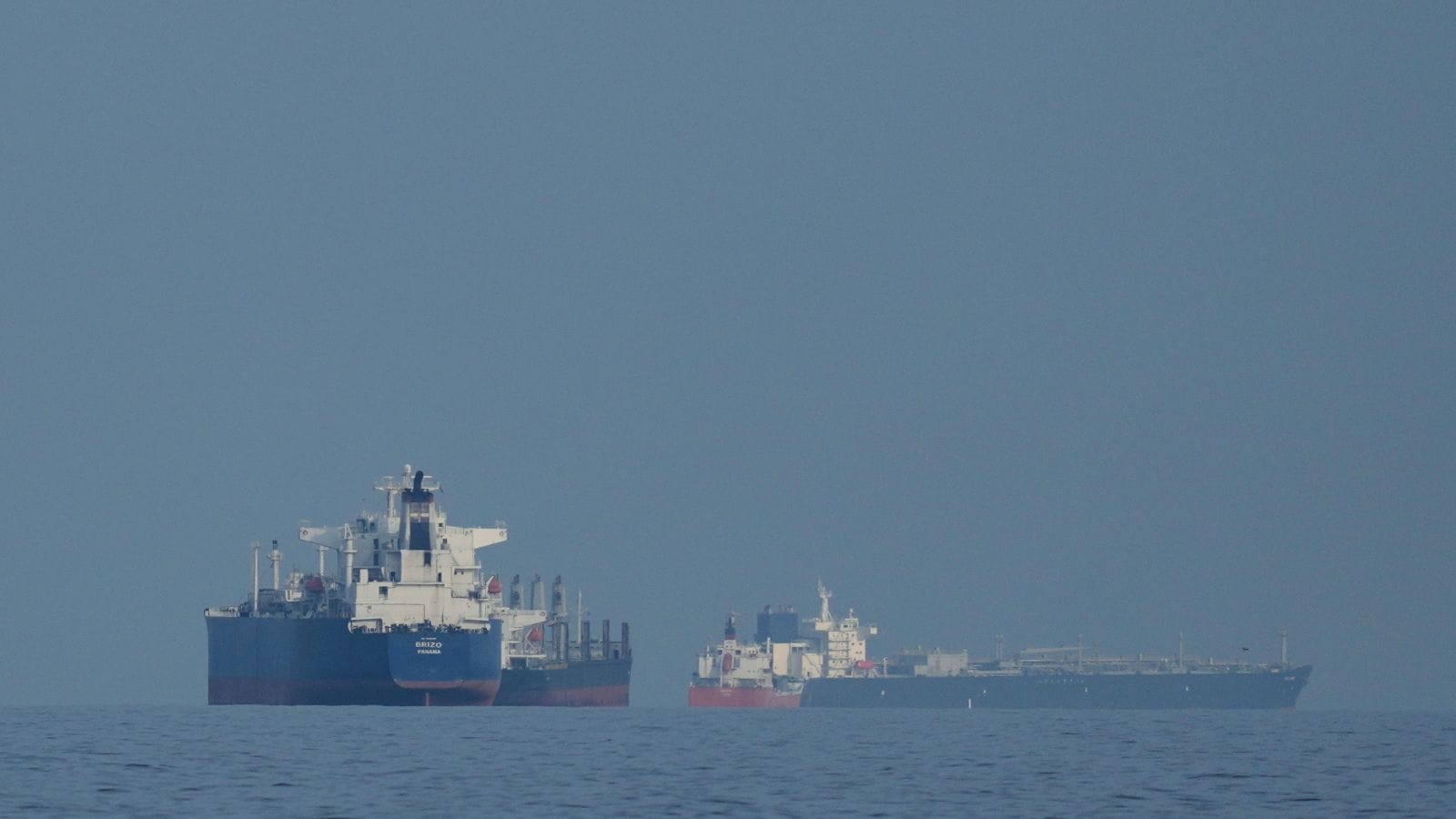
When Iran targets a tanker, they aren't trying to stop the flow of oil. They know they can’t. They are engaging in Kinetic Marketing.
They are signaling to their domestic audience and regional rivals that they still have "veto power" over regional stability. But the market knows better. Look at the Brent Crude reaction after these attacks. A brief spike, then a slide back to the mean. Why? Because the supply-demand balance of 2026 is governed by American shale and Guyana’s offshore production, not by a single waterway in the Middle East.
The "Aggression" Fallacy
The standard report portrays these attacks as irrational acts of a "rogue state." This is lazy analysis. From a game theory perspective, Iran’s moves are perfectly calibrated.
In a world where the U.S. uses the dollar as a weapon—via sanctions and SWIFT exclusions—the only counter-move for a mid-tier power is to raise the "insurance premium" of regional operations. Every time an IRGC speedboat harasses a tanker, the Lloyd’s of London insurance rates for those vessels tick upward.
Iran isn't trying to win a war; they are trying to make the status quo too expensive for the West to maintain. It is a war of attrition played out on a balance sheet, not a battlefield.
Why Your "Supply Chain Crisis" is a Lie
We’ve seen this movie before. In 2021, a single ship stuck in the Suez Canal paralyzed global trade. In 2024, Houthi rebels disrupted the Red Sea. The media learned that "Supply Chain Chaos" generates more clicks than any other headline.
But here is the truth: Global logistics is an anti-fragile system.
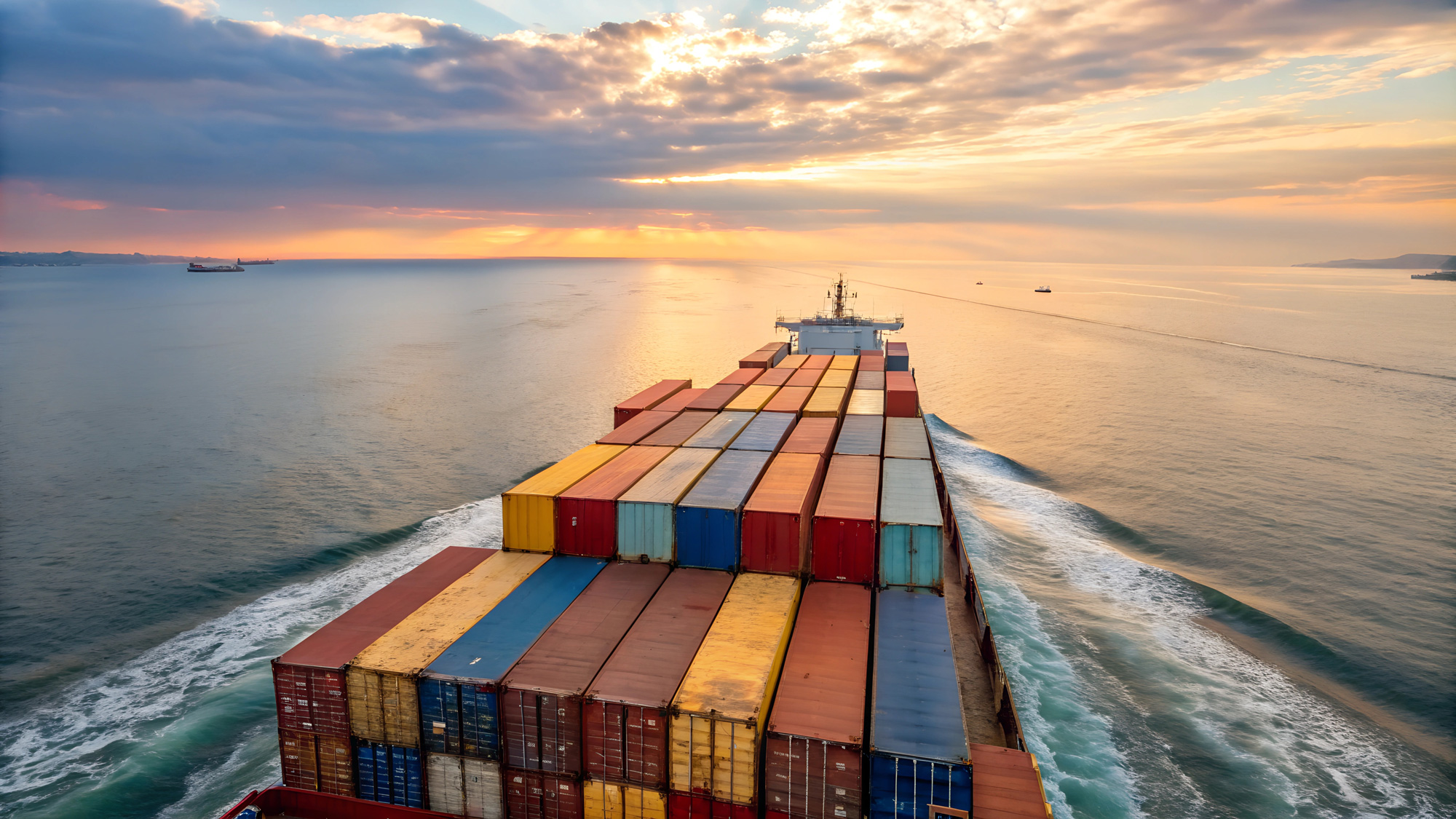
When one route becomes risky, the system adapts. Logistics giants like Maersk and MSC don’t sit around crying; they reroute, they optimize, and they price in the risk. The "crisis" isn't a lack of goods; it’s a temporary increase in the cost of shipping those goods. For the average consumer, this translates to pennies on the dollar. For the investor, it’s a noise-to-signal problem.
If you are selling your positions because a tanker in the Gulf caught fire, you are the liquidity for the people who actually understand the data.
The Drone Revolution is Overrated (For Now)
Everyone is obsessed with the "cheap drone" narrative—the idea that a $20,000 Shahed drone can disable a $100 million ship. It’s a sexy headline. It’s also largely irrelevant to the long-term viability of sea power.
Defense systems are catching up. We are seeing the rapid deployment of directed-energy weapons (lasers) and high-capacity electronic warfare suites on commercial escorts. The cost-per-intercept is plummeting. We are moving from a period of "offensive advantage" back to "defensive dominance."
The real story isn't the drone hitting the ship; it’s the massive tech-debt the shipping industry is finally forced to pay off. We are seeing the birth of the Autonomous Merchant Marine.
Within five years, the most valuable ships in the Gulf won't have crews to kidnap or kill. They will be hardened, semi-submersible drones themselves. You can’t hold a robot hostage for a PR win.
The US Navy’s Dirty Secret
Here is the part the defense contractors don't want you to hear: The US Navy doesn't want to "fix" the Gulf.
The instability justifies the presence. It justifies the carrier strike groups. It justifies the pivot that never actually happens. If the Gulf were perfectly safe, the argument for a 355-ship navy loses its teeth.
We are seeing a theater of "Managed Instability." The goal isn't peace; it's a predictable level of chaos that keeps the current power structures in place without boiling over into a total war that no one—including Iran—actually wants.
Stop Asking the Wrong Questions
People keep asking: "Will this lead to World War III?" or "How high will gas prices go?"
Those are the wrong questions. You should be asking:
- How does this accelerate the transition to non-dollar trade settlements (BRICS+)?
- Which insurance and logistics firms are actually profiting from the increased risk premiums?
- How quickly can the West decouple its critical infrastructure from the "maritime chokepoint" era?
The era of the "Global Policeman" protecting the "Global Commons" is dying. We are entering an era of Fractionalized Trade. Regions will secure their own routes. Private security will replace national navies for commercial protection.
The Actionable Reality
If you’re a business leader or an investor, stop reacting to the "Breaking News" banners.
- Hedge the Noise: If you have exposure to energy, use volatility to your advantage. Don't bet on the price of oil; bet on the volatility of the price.
- Ignore the Tankers: Watch the pipeline throughput in the East-West line. That is your real indicator of regional health.
- Short the Panic: The "Strait of Hormuz is closed" headline is the ultimate "Sell the News" event. It has never actually happened in the history of modern oil, and it likely never will.
The Gulf isn't a powder keg; it’s a stage. The actors are playing their parts, the audience is screaming on cue, and the people running the theater are laughing all the way to the bank.
Stop being part of the audience. Start looking at the ledger.
The next time a tanker burns, don't check the news. Check the 10-year yield and the freight futures. That’s where the truth is buried, and it’s usually telling a very different story than the one on your TV.
Go find a better proxy for your fear. This one is exhausted.