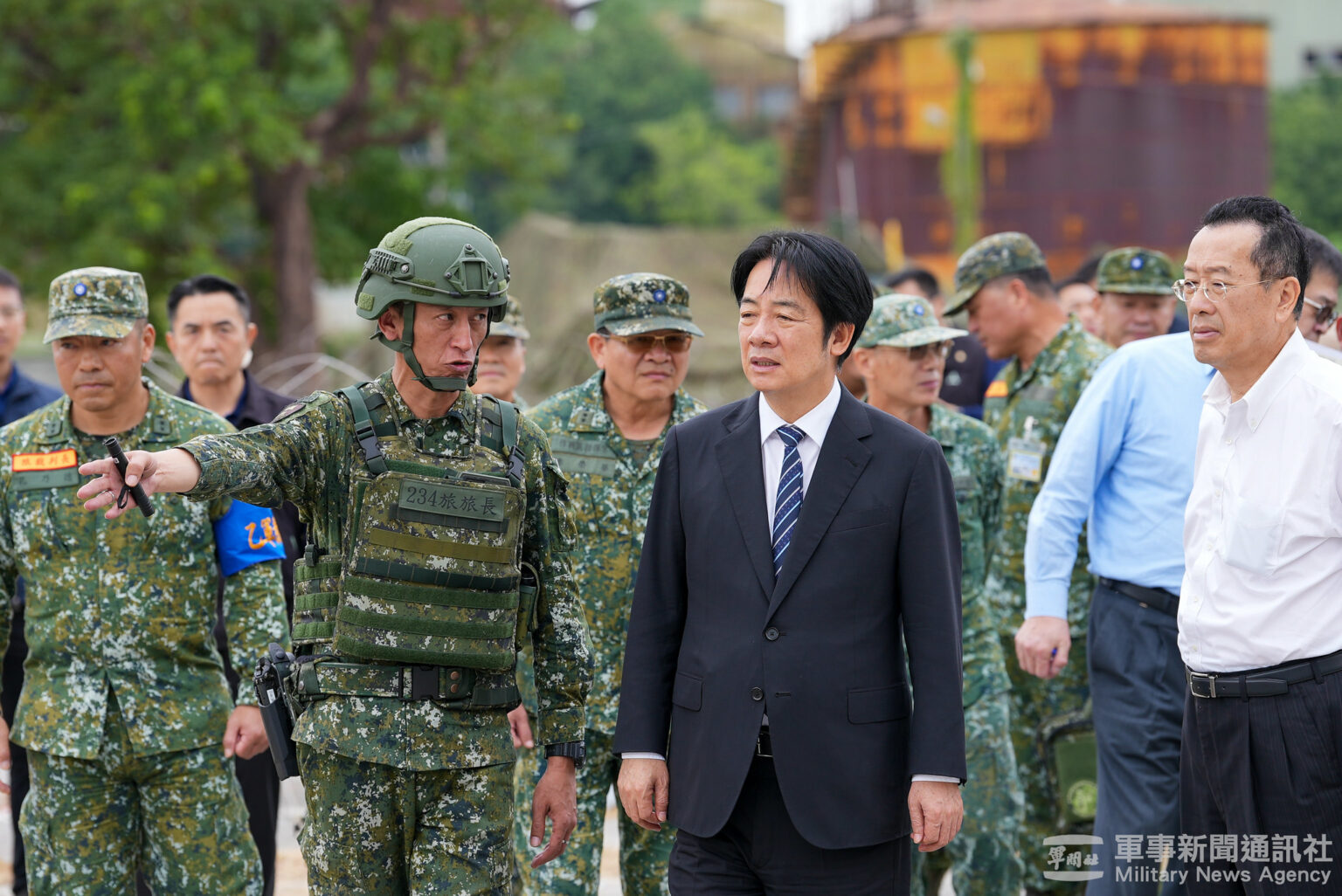
The arrival of US senators in Taipei to pump a massive defense bill isn't a show of strength. It is a desperate attempt to apply twentieth-century industrial solutions to a twenty-first-century silicon problem. The headlines paint a picture of "ironclad commitment" and "deterrence." They are wrong. What we are actually witnessing is the legislative equivalent of sending a cavalry charge to stop a drone swarm.
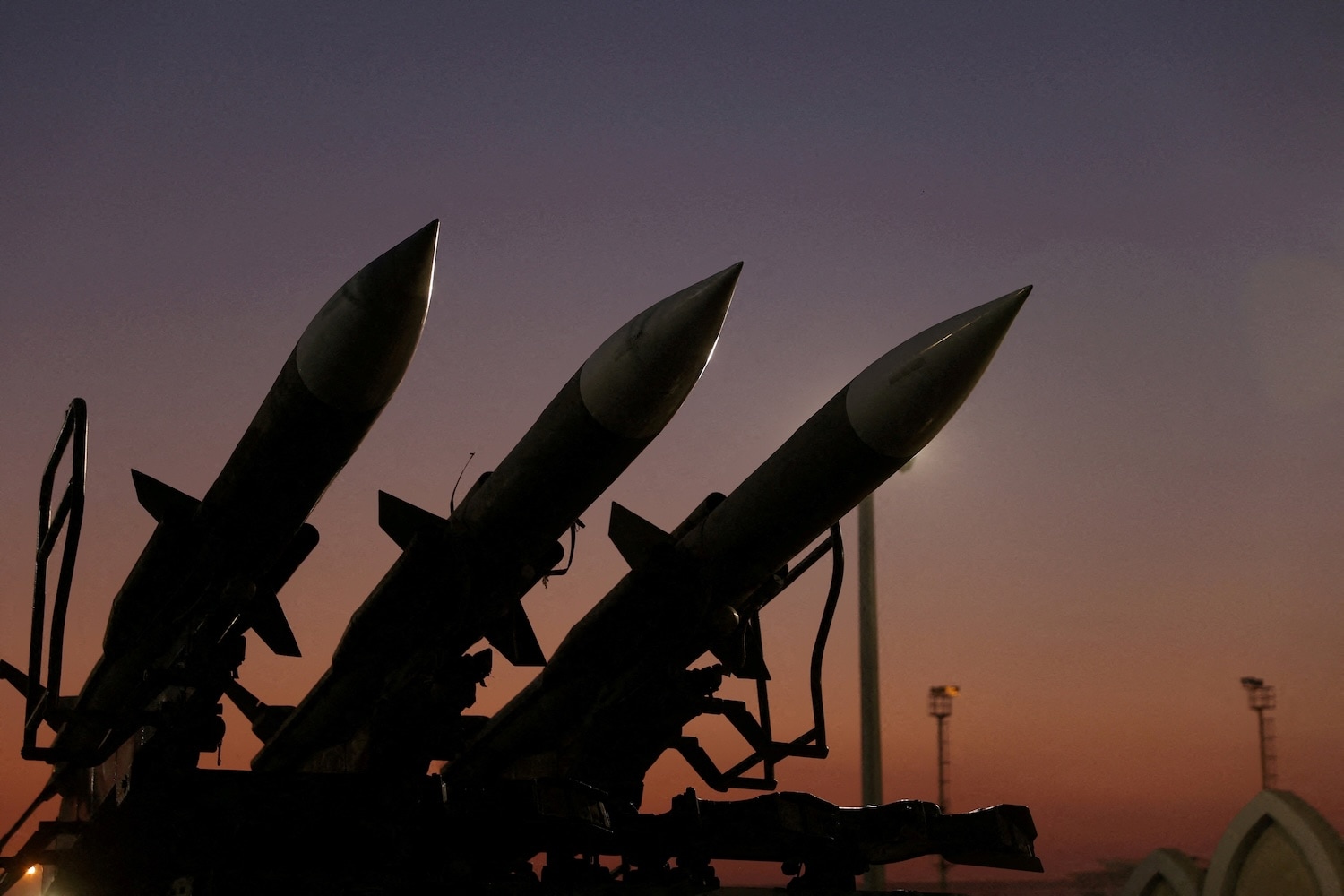
I have spent years watching defense contractors lobby for hardware that is outdated before the ink on the check even dries. This bill is more of the same. It treats Taiwan like a traditional fortress when it is actually a high-stakes server farm. If you think a few billion dollars in naval hardware and conventional munitions will move the needle, you aren't paying attention to the physics of modern conflict.
The Paper Tiger of Conventional Deterrence
The lazy consensus suggests that "more" is "better." More missiles, more ships, more boots on the ground. This logic assumes that conflict follows the attrition models of the 1940s. It doesn't.
Taiwan's primary defense isn't the depth of its waters; it is the complexity of its supply chains. The senators visiting Taipei are selling a security blanket made of heavy steel, while the real threat is being conducted via economic strangulation and cyber-kinetic gray zone operations.
When we talk about "defense," we usually mean kinetic energy. We calculate the $mv^2$ of a missile hitting a hull. But in the Taiwan Strait, the math that matters is the $O(n \log n)$ of an algorithm capable of crippling a power grid or the $P(A|B)$ of a supply chain collapse. The US defense bill focuses on the former because it’s easy to explain to voters and great for domestic manufacturing jobs. It fails at the latter because the latter requires a level of agility the Pentagon hasn't possessed since the Truman administration.
Why Your "People Also Ask" Queries Are Built on Sand
If you search for whether this bill "prevents war," you’re asking the wrong question. The question isn't whether it prevents a 1944-style amphibious invasion. The question is whether it makes Taiwan an unattractive target for a 2026-style digital and economic blockade.
- Does the bill increase Taiwan’s security? No. It increases Taiwan’s visibility as a friction point.
- Is this about democracy? Hardly. It's about ensuring that the 3-nanometer nodes at TSMC don't end up under a different flag.
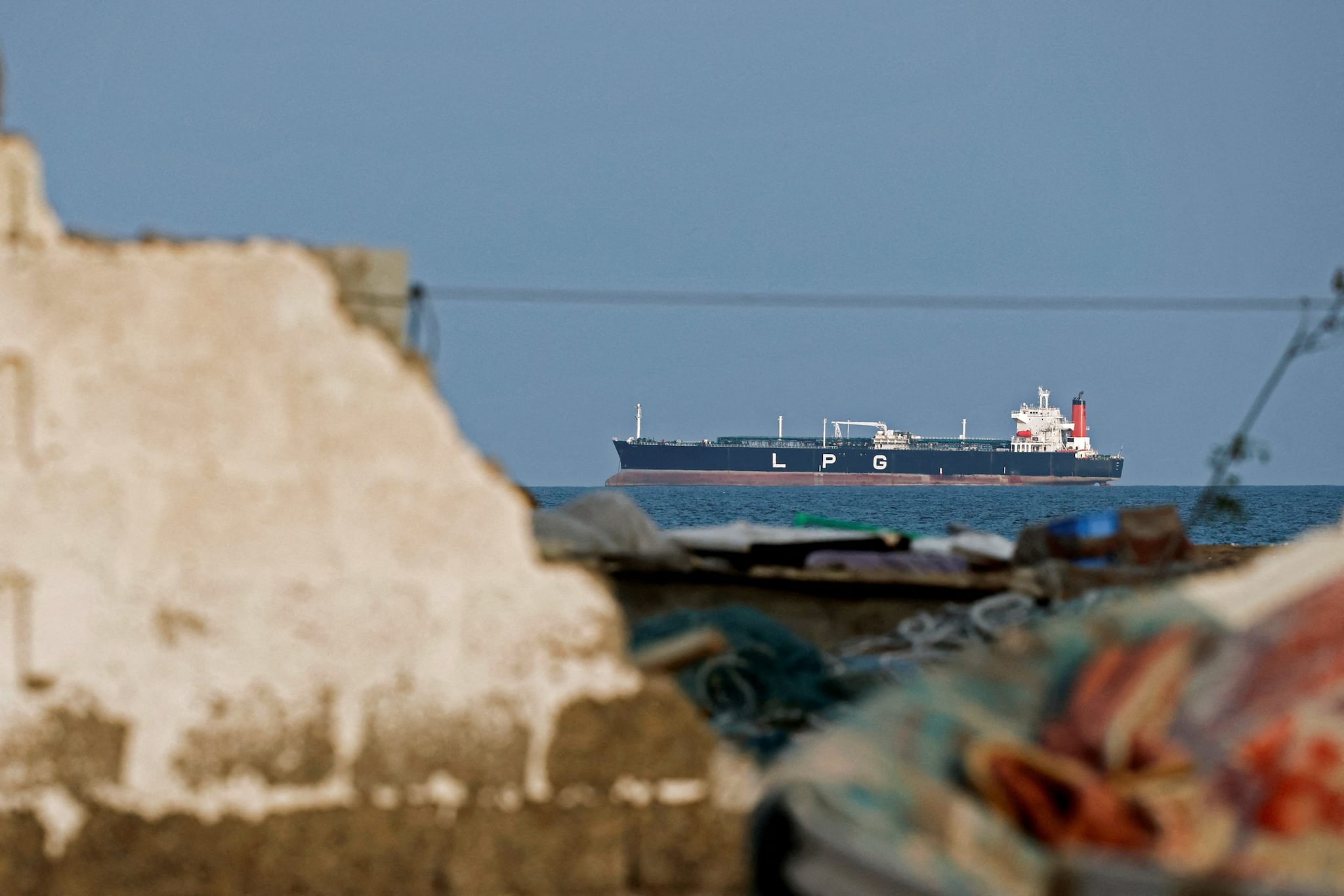
- Will it stop a blockade? A fleet of frigates is useless against a coordinated maritime "quarantine" enforced by coast guard vessels and insurance hikes.
The reality is that traditional military aid often creates a "moral hazard." It encourages Taipei to spend on prestigious, high-visibility platforms—like fighter jets—that would likely be destroyed on the tarmac within the first two hours of a serious escalation. We are training them to fight the last war while the adversary is coding the next one.
The Silicon Shield Is Cracking
The "Silicon Shield" theory—the idea that the world’s dependence on Taiwanese chips prevents an attack—is the ultimate comfort food for policy wonks. It’s also a decaying asset.
As the US pushes for domestic chip production through the CHIPS Act, it is effectively devaluing the very shield it claims to protect. You cannot claim that Taiwan is indispensable while simultaneously spending billions to make it dispensable. The senators visiting Taiwan aren't just there to offer support; they are there to manage the transition of intellectual property away from the island while keeping the local government pacified with shiny, expensive toys.
Consider the math of a modern blockade. China doesn't need to land a single soldier to win. They just need to make the cost of shipping insurance to Kaohsiung prohibitive. A defense bill full of Harpoon missiles doesn't lower insurance premiums. It doesn't keep the lights on in a city facing a massive DDoS attack on its utility providers.
The Logistics of Failure
I’ve seen the delivery schedules for these "urgent" defense packages. They are a joke. We are promising weapons today that won't arrive for three to five years. In the tech world, five years is three generations of hardware. In the geopolitical world, it’s an eternity.
The defense bill is a backlog masquerading as a strategy. We are selling Taiwan our leftovers and calling it a "partnership." True deterrence in the 2020s looks like:
- Massive Decentralization: Moving away from large, targetable assets toward thousands of low-cost, autonomous systems.
- Hardened Infrastructure: Making the island's energy and data grids capable of surviving a total cut-off from the outside world.
- Economic Resilience: Building stockpiles of food, fuel, and medical supplies that can last months, not days.
Instead, we give them a bill that prioritizes "interoperability" with US systems—a fancy way of saying "you have to keep buying our stuff."
The Cold Truth of the Gray Zone
We are obsessed with the "Big Bang" scenario—the day the missiles fly. But the war is already happening. It’s happening in the submarine cable cuts. It’s happening in the relentless probing of Taiwan’s ADIZ. It’s happening in the disinformation campaigns that target the island’s youth.
A US senate delegation brings a lot of cameras, but it brings very little expertise in counter-subversion. They are playing checkers in a room where the opponent is playing a high-frequency trading game.
The downside of my contrarian view? It’s terrifying. It means acknowledging that the trillions we’ve spent on "force projection" might be irrelevant in a conflict defined by logistical friction and digital paralysis. It means admitting that a $10,000 drone can mission-kill a $100 million platform.
Stop Funding the Past
We need to stop treating Taiwan like a gas station for US geopolitical interests and start treating it like the critical node it is. This defense bill is a subsidy for the military-industrial complex, wrapped in the flag of "freedom."
If we actually cared about Taiwan's survival, we wouldn't be arguing about how many decommissioned frigates we can send. We would be arguing about how to build a localized, mesh-networked defense that makes an occupation physically and digitally impossible.
The senators will fly home. The press releases will fade. The hardware will sit in warehouses awaiting parts that aren't made anymore. And Taiwan will remain exactly as it was: a high-tech prize protected by low-tech thinking.
Throw out the bill. Rebuild the strategy from the silicon up. Or get out of the way and let the engineers do what the politicians clearly can't.
Stop buying into the theater of deterrence. Start looking at the reality of the grid.