The catastrophic intersection of high-speed collision, chemical impairment, and public-facing brand equity creates a total loss of narrative control. When a primary athlete asset like Tiger Woods enters the judicial system via a DUI charge involving a vehicle roll-over, the event is not merely a legal infraction; it is a structural failure of the personal risk management systems surrounding the individual. The immediate impact of such an event can be measured through three distinct vectors: immediate asset depreciation, long-term contractual vulnerability, and the degradation of the "Redemption Arc" premium that previously buoyed the Woods brand.
The Kinematics of Reputation: Force and Perception
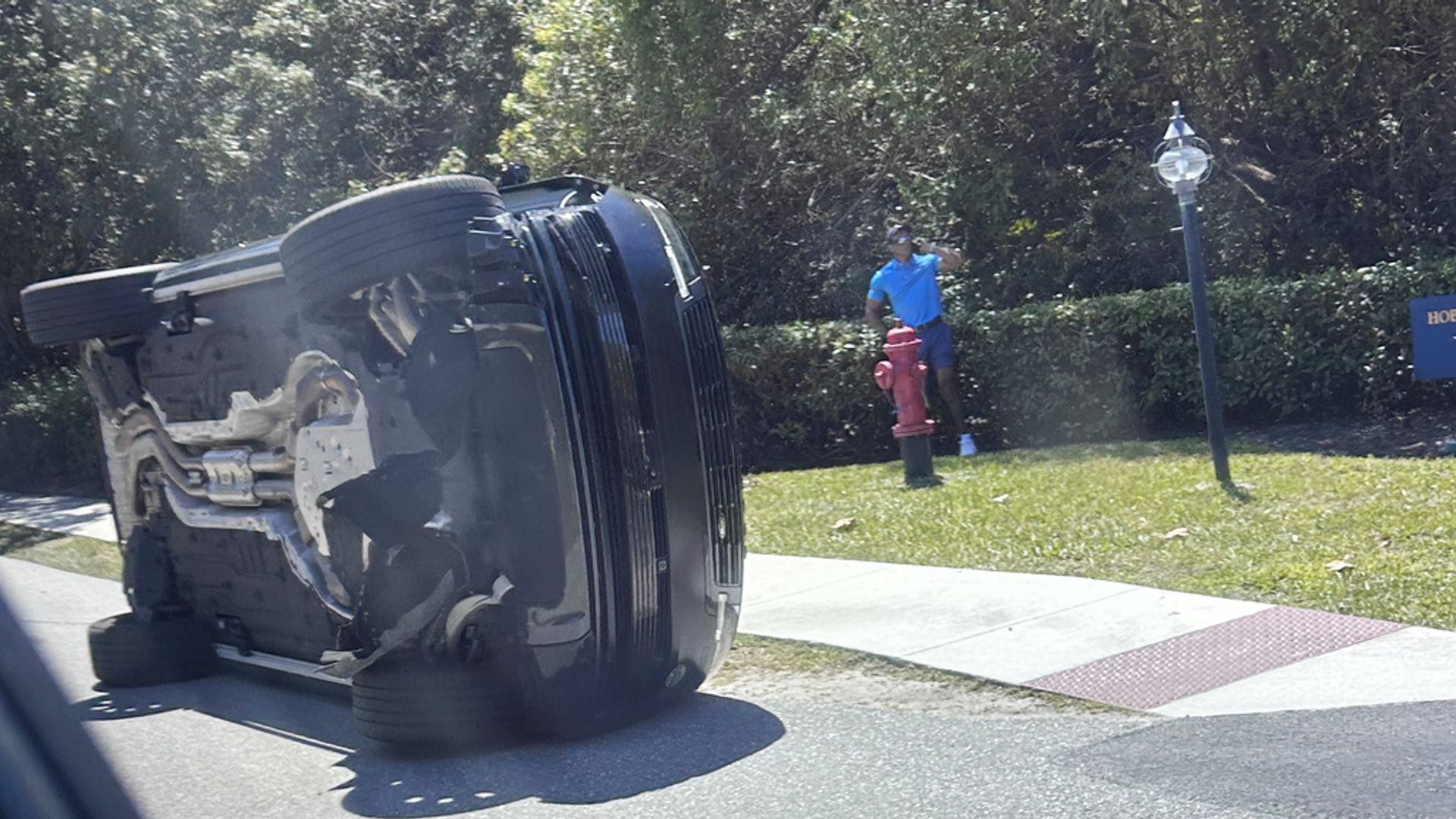
In any vehicular incident involving an elite athlete, the physical damage to the vehicle serves as a visual proxy for the severity of the internal crisis. A roll-over accident introduces a variable of near-fatality that shifts the public discourse from simple legal non-compliance to a fundamental questioning of the subject's stability. For a different perspective, consider: this related article.
- Impact Velocity and Kinetic Energy: The force of a vehicle rolling is a function of its mass and the square of its velocity ($E_k = \frac{1}{2}mv^2$). In the context of brand analysis, the severity of the wreckage correlates directly to the "shock value" metric, which dictates the speed at which sponsors must issue holding statements.
- The Second-Vehicle Variable: Hitting another vehicle introduces third-party liability and victim narratives. This complicates the legal strategy by moving the case from a "victimless" self-destructive act to an externalized threat to public safety.
The legal reality of a DUI charge operates on a binary—guilty or not guilty—but the brand reality operates on a spectrum of negligence. The presence of a collision indicates a failure of motor skills that suggests a higher level of impairment than a standard sobriety checkpoint stop. This distinction is critical for insurance underwriters and endorsement morals clauses.
Moral Hazard and the Endorsement Calculus
Professional sports contracts and endorsement deals contain "Morals Clauses" that grant corporations the unilateral right to terminate or suspend payments in the event of conduct that brings the athlete into public disrepute. The 2017 Woods incident serves as a case study in how these clauses are triggered based on the specific nature of the offense. Further analysis on the subject has been provided by NBC Sports.
The Hierarchy of Contractual Breach
- Passive Non-Compliance: Minor legal issues that do not affect performance or public image (e.g., tax disputes).
- Reputational Friction: Controvesial statements or minor public disturbances that alienate a subset of the demographic.
- Active Brand Negation: Felonies or high-risk misdemeanors (DUI with injury or significant property damage) that create a direct conflict with the "Reliability" and "Excellence" pillars of luxury and performance brands.
Most top-tier sponsors, such as Nike or Rolex, utilize a "Wait and See" protocol for first-tier incidents. However, a roll-over accident involving a second vehicle forces a compressed timeline. The risk of "Guilt by Association" increases every hour the brand remains silent while the police report—detailing the specific substances involved—is pending.
Pharmacological Complexity and the "Injury-Drug" Loop
A critical oversight in standard reportage of athlete DUIs is the failure to account for the biomechanical toll of professional sports. Woods' history of spinal fusions and knee surgeries creates a dependency cycle often ignored by the public but scrutinized by risk analysts.
The "Injury-Drug" loop follows a predictable path:
- Physical Degradation: Chronic pain resulting from high-torque mechanical stress (the golf swing).
- Medical Intervention: Prescription of opioids or sleep aids to manage recovery cycles.
- Poly-pharmaceutical Interaction: The unintended synergy between multiple prescribed medications that can mimic or exceed the impairment levels of alcohol.
When a DUI charge is filed without the presence of alcohol (as is often the case in modern athlete arrests), the crisis management strategy must pivot from "substance abuse" to "medical mismanagement." This distinction is vital for maintaining the "Hero" archetype. If the impairment is framed as a side effect of a valiant effort to return to the sport, the public is significantly more forgiving than if the impairment is framed as recreational excess.
The Architecture of the Mugshot: Visual Anchors of Decline
The mugshot is the single most durable data point in a celebrity scandal. It functions as a visual anchor that replaces the carefully curated imagery of the athlete in peak performance. For Woods, the 2017 mugshot—showing visible exhaustion and disorientation—represented a "Brand Nadir."
The half-life of such an image is nearly infinite in the digital age. It serves as the "Thumbnail of Record" for every future mention of the athlete's personal struggles. From a strategic perspective, the goal of a communications team is to "Flood the Zone" with high-quality, high-performance imagery immediately following the legal resolution to dilute the search engine dominance of the arrest photo.
Measuring the Sentiment Deficit
Standard metrics like the Q-Score, which measures the familiarity and appeal of a brand, show a sharp divergence following a DUI:
- Familiarity: Increases (often reaching 90%+ saturation).
- Appeal: Drops precipitously, specifically among the "Family" and "Corporate" segments.
- Trustworthiness: The most difficult metric to recover, often taking 36 to 60 months of "clean" performance to return to baseline.
Crisis Response: The "Total Responsibility" Framework
The only viable path for an athlete of Woods' stature following a roll-over DUI is the immediate and total absorption of blame. Any attempt to litigate the facts in the court of public opinion before the court of law leads to "Narrative Bloat," where the story stays in the news cycle longer than necessary.
The "Total Responsibility" framework requires:
- Immediate Admission: Not necessarily of legal guilt, but of personal failure.
- Clinical Diversion: Entering a treatment facility regardless of whether a chronic problem exists. This signals to sponsors that the "Asset" is being repaired.
- Media Blackout: Removing the athlete from the public eye to allow the "Shock Phase" of the news cycle to burn out.
This strategy utilizes the "Recency Bias" of the general public. By the time the athlete returns to competition, the narrative has often shifted from the crime to the "Comeback."
The Economic Impact of the "Second Vehicle"
The presence of a second vehicle in the Woods incident creates a specific legal and financial bottleneck. In a single-vehicle accident, the damage is internal to the brand. In a multi-vehicle accident, the athlete becomes a defendant in potential civil litigation.
- Discovery Risk: Civil lawsuits allow for "Discovery," where private communications, medical records, and witness testimonies become public record. This is the greatest threat to an elite athlete's brand, as it uncovers the "Hidden Life" that precedes the arrest.
- Settlement Premiums: Athletes often pay a "Celebrity Tax" in settlements to avoid the discovery phase, further depleting the liquid assets of the personal brand.
Institutional Failures in Athlete Protection
The occurrence of a DUI roll-over suggests a collapse of the inner circle. High-net-worth individuals typically employ "fixers" or drivers specifically to mitigate this risk. The fact that an asset worth hundreds of millions of dollars was operating a vehicle while impaired indicates a lack of "Stop-Gap" protocols.
Effective athlete management must treat the athlete as a "Corporate Asset" rather than an independent operator. This includes:
- Mandatory Transportation: 24/7 car service during periods of high physical stress or medical recovery.
- Biometric Monitoring: Utilizing wearable tech to monitor fatigue and impairment levels, triggering alerts to the management team.
- Legal Pre-Clearance: Keeping a specialized legal team on 24-hour standby to manage the "First Hour" of any police interaction, which is where most long-term damage occurs.
The Woods incident highlights that no amount of previous success can insulate an athlete from the physics of a crash or the legal mechanics of a DUI. The recovery of the brand is not a matter of "luck" but a matter of disciplined, structural narrative rebuilding.
The strategic priority now shifts from legal defense to "Asset Restoration." This involves a multi-year pivot toward philanthropy and a radical transparency regarding physical health, effectively weaponizing the athlete's vulnerability to rebuild a more "humanized" and resilient brand identity. Organizations managing high-profile talent must implement a "Redline Protocol" that triggers an immediate intervention the moment an athlete’s medical prescriptions or personal behavior deviate from a predefined safety corridor. Failure to do so results in the total loss of the individual’s commercial viability during their peak earning years.