The retail sector operates on a razor-thin margin of predictability; the sudden reversal of proposed universal tariffs on imported goods does not restore the previous equilibrium, but rather introduces a secondary phase of operational friction. While the removal of a 10% to 25% "tax" on the supply chain prevents an immediate contraction in consumer spending, the structural damage caused by the threat of these tariffs remains embedded in current inventory valuations and logistical commitments. Retailers are now navigating a "whiplash period" where the costs of emergency mitigation—undertaken when the tariffs seemed certain—must be amortized against a market that suddenly expects pre-crisis pricing.
The Cost Function of Tariff Mitigation
Economic logic dictates that firms do not wait for a policy to be enacted before incurring costs. The mere signaling of a tariff regime triggers a series of capital outflows that cannot be recouped simply because the policy was retracted. These costs fall into three distinct buckets:
- Inventory Pull-Forward (Front-Loading): To avoid anticipated duties, retailers accelerated shipments from Asia in the preceding fiscal quarters. This created an artificial spike in demand for ocean freight, driving spot rates for 40-foot containers upward. Companies are now sitting on "high-basis" inventory—goods that carry the premium cost of expedited shipping and emergency warehousing.
- Sourcing Diversification Capex: The "China Plus One" strategy was shifted into overdrive. Establishing secondary manufacturing hubs in Vietnam, Mexico, or India involves significant sunk costs in vetting new vendors, tooling factories, and establishing quality control protocols. These are multi-year investments that cannot be "reversed" like a policy memo.
- Hedging and Administrative Overhead: Legal and compliance departments spent thousands of billable hours restructuring contracts and reclassifying Harmonized Tariff Schedule (HTS) codes to minimize exposure.
The "win" proclaimed by industry trade groups is, in reality, a mitigation of a worst-case scenario rather than a return to a low-cost environment. The baseline cost of goods sold (COGS) for the upcoming two quarters is already locked in at a higher rate due to these preparatory maneuvers.
Strategic Ambiguity as a Market Distorter
The primary hurdle for retail strategy is not the tariff itself, but the lack of a permanent "Sunset Clause" on protectionist rhetoric. Executive leadership teams are now forced to build a "Geopolitical Risk Premium" into every long-term forecast. This creates a bottleneck in capital expenditure for the following reasons:
The Valuation of Uncertainty
When a tariff is threatened and then withdrawn, the volatility index for that specific supply route remains elevated. Lenders and investors view the supply chain as "fragile," increasing the cost of capital for retailers looking to expand. A retailer cannot commit to a five-year growth plan if the cost of their primary input (imported finished goods) can fluctuate by 25% based on an executive order that may or may not be signed.
Contractual Rigidity
Most retail supply contracts are negotiated 6 to 12 months in advance. The reversal of a tariff does not automatically trigger "downward" price protection in these contracts. Manufacturers, having already adjusted their own raw material sourcing to account for the expected trade war, are unlikely to pass savings back to the retailer immediately. This creates a margin squeeze: the consumer expects a "victory discount" because the tariffs are gone, but the retailer’s cost basis remains elevated by the ghost of the previous threat.
Consumer Psychographics and the Price Floor
There is a documented asymmetry in how retail prices respond to trade policy. Prices tend to be "sticky" on the way down and "elastic" on the way up.
- Anticipatory Pricing: In expectation of tariffs, many retailers began incremental price hikes across low-elasticity categories (essentials, basic apparel) to build a cash cushion.
- The Anchor Effect: Once a consumer becomes accustomed to a new price point during a period of "inflationary noise," retailers are hesitant to lower it, fearing a race to the bottom that erodes brand equity.
However, the reversal of the tariff removes the "external villain" that retailers use to justify these hikes. Without the tariff as a scapegoat, firms must now justify their pricing based on internal efficiencies. This shifts the competitive landscape from a game of "who can survive the tax" to "who can lean out their operations the fastest."
The Infrastructure Bottleneck
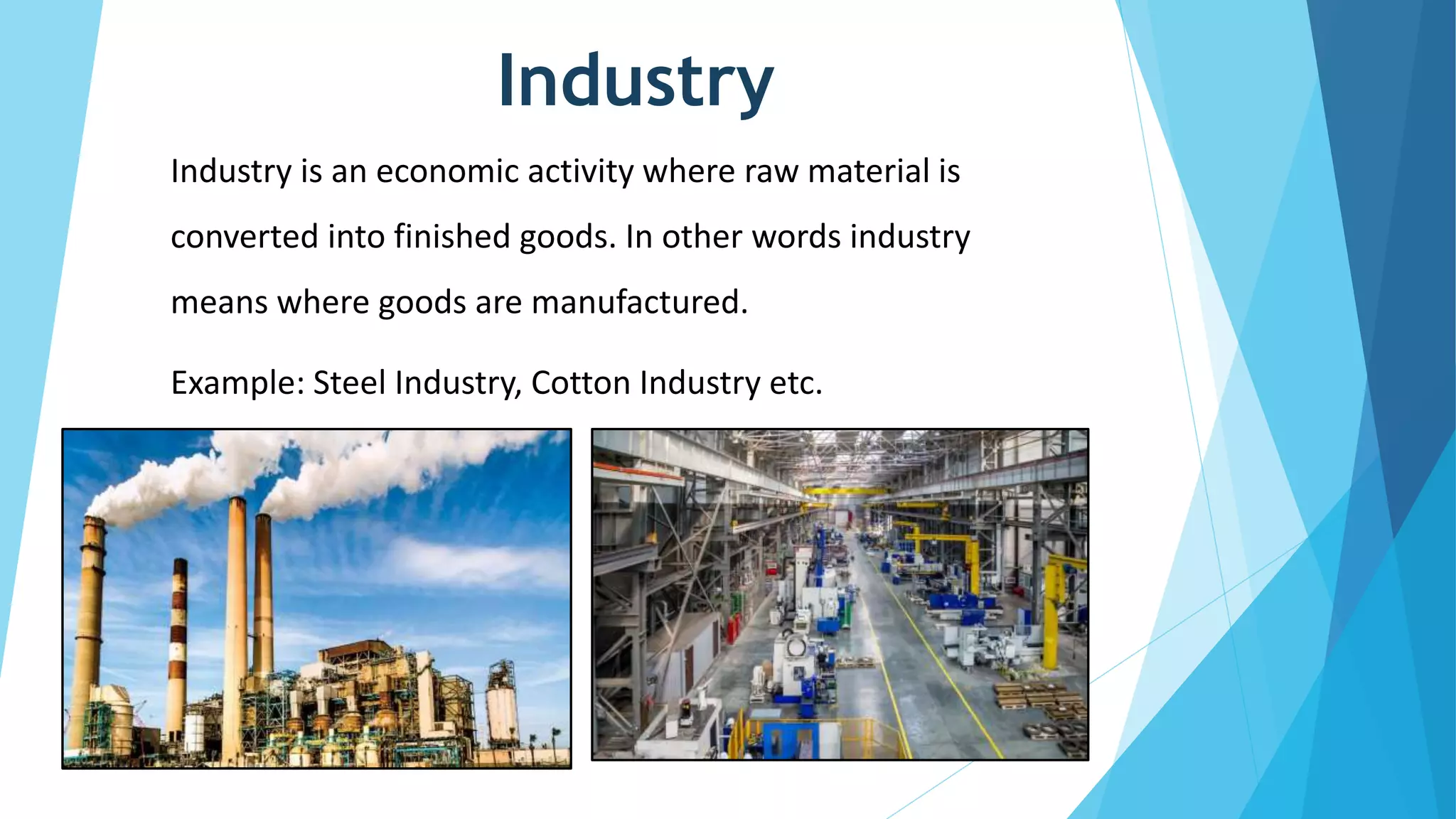
The logistical "all-clear" is hampered by the physical reality of the global shipping network. The rush to beat the original tariff deadline resulted in an inventory glut at major ports (Los Angeles, Long Beach, Savannah).
Even with the tariff threat removed, the following physical constraints persist:
- Warehousing Saturation: National vacancy rates for Class A industrial real estate remain near historic lows. Retailers who over-ordered to beat the "Trump Tax" are now paying record-high carrying costs to store that inventory.
- Dwell Time and Demurrage: The sheer volume of containers sitting on docks has created a secondary layer of "soft costs." Containers that are not moved quickly incur daily fines (demurrage), which can quickly exceed the value of the goods inside for lower-margin items.
- Labor Allocation: Port labor and drayage trucking firms scaled up to handle the "pre-tariff" surge. A sudden drop-off in volume—the inevitable "post-surge lull"—will lead to labor disputes and inefficiencies as the system tries to downshift.
The Bifurcation of the Retail Sector
The impact of this policy volatility is not uniform. We are seeing a widening gap between "Resilient Aggregators" and "Exposed Specialists."
Resilient Aggregators (Walmart, Amazon, Target): These firms possess the balance sheet strength to absorb the "whiplash costs" of the tariff reversal. They have the scale to renegotiate freight rates in real-time and the data infrastructure to shift sourcing at a granular level. For them, the reversal is a genuine competitive advantage because it creates a barrier to entry that smaller players cannot survive.
Exposed Specialists (Furniture, Electronics, Specialty Apparel): These sectors have a high "Import-to-Revenue" ratio. Because their products often have specific manufacturing requirements (e.g., specialized electronics components found only in certain regions of China), they cannot simply "pivot" to a different country. For these retailers, the uncertainty is a chronic condition that stunts R&D and prevents long-term scaling.
Quantifying the "Residual Risk" Framework
To navigate this environment, analysts must move beyond simple "tariff vs. no tariff" binary models. The true metric of health is Supply Chain Velocity vs. Policy Volatility. If the frequency of trade policy shifts (Volatility) exceeds the speed at which a retailer can reconfigure its vendor base (Velocity), the firm is effectively unmanageable. The current "win" of the tariff reversal is merely a temporary synchronization of these two variables.
The strategic play is no longer about predicting which tariff will be applied, but about building a "Modular Supply Chain" where the cost of switching a port of entry or a manufacturing partner is lower than the cost of the potential duty.
Retailers must immediately pivot from "Just-in-Time" or "Just-in-Case" to a "Polymorphic Sourcing" model. This involves maintaining active contracts with three distinct geographic regions—Domestic, Near-shore, and Off-shore—regardless of current trade status. The 15% premium paid for this redundancy is no longer an "extra" cost; it is the insurance premium required to operate in an era of executive-led trade volatility. Firms that continue to chase the "lowest landed cost" in a single geography are essentially gambling their entire enterprise value on the next 2 a.m. social media post or executive memorandum.
The immediate action for the C-suite is to audit all "emergency" logistics contracts signed during the tariff scare. Many of these carry 12-to-24-month durations with "take-or-pay" clauses. Renegotiating these liabilities, rather than celebrating the policy reversal, is the only way to preserve margin in a deflationary consumer environment.