The era of localized conflict is dead. If you thought the war between Iran, Israel, and the United States was a distant headline confined to the dusty borders of the Middle East, think again. Tehran just made it personal for every civilian with a passport.
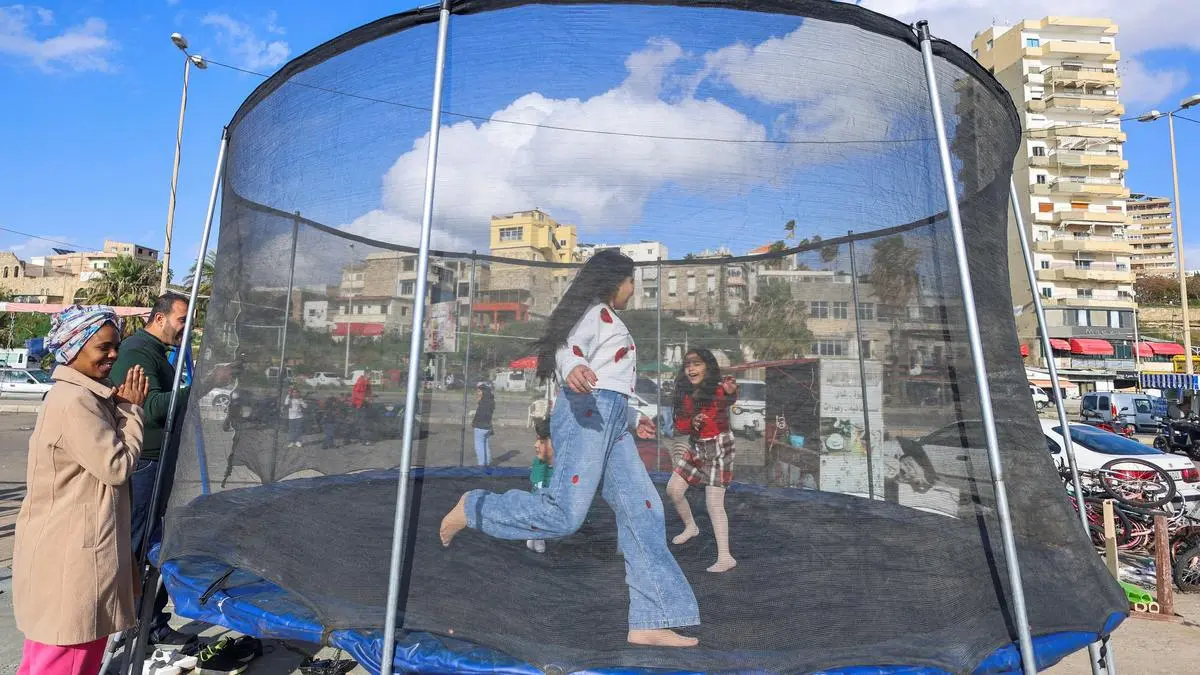
On Friday, March 20, 2026, Iran’s military issued a chilling ultimatum that should make every traveler pause before booking a flight. General Abolfazl Shekarchi, the top spokesman for Iran's armed forces, went on state television to declare that "parks, recreational areas, and tourist destinations" across the globe are no longer safe for anyone Iran deems an enemy.
This isn't just empty rhetoric. It's a desperate pivot by a regime whose traditional military backbone is being snapped in real-time.
The Global Vacation at Risk
Tehran’s threat to target "promenades, resorts, and entertainment centers" marks a shift toward asymmetric, globalized terror. After three weeks of "Operation Epic Fury"—the joint U.S.-Israeli campaign that began on February 28—Iran’s conventional air defenses and missile production lines are in tatters.
When a state can’t win on the battlefield, it exports the violence.
The timing is particularly sinister. The threat arrived as the region marked the end of Ramadan and Iranians celebrated Nowruz, the Persian New Year. While families in Tehran huddled in subways to escape airstrikes, their leaders were busy mapping out soft targets in the West.
I've seen this playbook before, but never with this level of explicit "we are watching your pilots and soldiers on vacation" specificity. It’s a direct hit to the psyche of the Western public. They want you to feel the war at the local park or the beach resort in Barcelona or Florida.
Washington Pumps the Iron
While Iran talks about parks, the U.S. is moving literal mountains of steel. The Pentagon isn't blinking.
Three more warships and roughly 2,500 Marines from the 11th Marine Expeditionary Unit (MEU) just got the "go" order from San Diego. These aren't just bodies; they're specialized crisis-response teams. They join the USS Tripoli and the 31st MEU, which were diverted from the Pacific to the Persian Gulf earlier this month.
Here’s the current tally of American hardware flooding the zone:
- USS Boxer Amphibious Ready Group: Carrying the 11th MEU.
- USS Tripoli: Already en route from Japan.
- Carrier Strike Group 3: Led by the USS Abraham Lincoln.
- Total Troop Count: Approximately 50,000 U.S. personnel now stationed across the region.
President Trump’s stance has been characteristically blunt. He says he has "no plans" to put boots on the ground inside Iran, yet he keeps adding "all options" to the table. It’s a classic squeeze play.
The Strategy of Decapitation
The reason Iran is lashing out at tourists is that its leadership is disappearing. Israeli and U.S. strikes have reportedly killed several high-ranking figures, including the head of the Supreme National Security Council.
Even the Supreme Leadership isn't what it used to be. Ayatollah Mojtaba Khamenei—who took the reins after his father was killed at the war’s start—hasn't been seen in public. There are whispers he was wounded in an early strike. His recent Nowruz message was read by a surrogate, not delivered in person.
When the head of the snake is bruised, it bites anything within reach.
Choking the Global Engine
If you haven't noticed your gas prices or grocery bills lately, you're not paying attention. Iran is currently suffocating the Strait of Hormuz, the world's most vital energy artery.
They’ve moved from fighting ships to blowing up refineries. Just this Friday, Iranian drones hit Kuwait’s Mina Al-Ahmadi refinery for the second time in 48 hours. That facility handles over 700,000 barrels a day.
The economic fallout is reaching your wallet:
- Oil Volatility: Prices are stubbornly hovering above $108 a barrel.
- Shipping Chaos: Over 20 maritime "incidents" have been reported in the Strait since March 1.
- Insurance Spikes: The cost to insure a tanker in these waters has become prohibitive, forcing many to take the long way around Africa.
What This Means for You
You shouldn't panic, but you'd be a fool not to be prepared. This war is no longer a localized border dispute; it’s a systematic attempt by Iran to disrupt global stability.
If you're planning international travel, especially to major Western hubs or "high-profile" resorts, check the State Department's Level 4 travel advisories. They aren't just suggestions anymore. Countries like South Korea and the Netherlands have already issued "red alerts" for their citizens.
Keep an eye on the Strait. If the U.S. decides to occupy Kharg Island—an option currently being discussed to reopen the shipping lanes—the conflict will hit a point of no return.
Stay informed. Don't rely on old headlines. The situation on the ground in Tehran and the waters of the Gulf is changing every six hours. If you have travel plans to the Middle East or major European capitals, now is the time to check your cancellation policies.


