The convergence of US Central Command (CENTCOM) leadership and Israeli Defense Forces (IDF) high command in Tel Aviv signals a shift from reactive containment to proactive operational synchronization. While media narratives focus on the optics of diplomatic visits, a structural analysis of military logistics, command-and-control (C2) integration, and theater-shaping suggests a more clinical reality. The Pentagon is not merely "preparing" for potential ground operations; it is calibrating the multi-domain infrastructure required to sustain a high-intensity conflict environment.
Understanding this shift requires deconstructing the operational variables into three distinct pillars: Kinetic Readiness, Integrated Air and Missile Defense (IAMD), and the Logistics of Power Projection.
The Triad of Theater Synchronization
The visit by General Michael "Erik" Kurilla is a functional audit of the "sensor-to-shooter" pipeline. In high-stakes environments, the speed of information transfer between US satellite intelligence and Israeli kinetic assets determines the success of interception and neutralization.
Pillar I: Kinetic Readiness and Specialized Maneuver
Ground operations in a geography as complex as the Iranian plateau or its proxy-controlled peripheries require specialized hardware and specific doctrine. Reports of "weeks of preparation" point to the staging of Prepositioned Stocks (APS). These are not just ammunition dumps; they are combat-ready equipment sets designed to allow rapid-deployment forces to "marry up" with heavy armor and specialized engineering tools without the lag of trans-oceanic shipping.
- The Urban/Subterranean Variable: Any theoretical ground operation involving Iranian interests necessitates a focus on "fortress-city" dynamics and extensive tunnel networks. Preparation involves the deployment of thermobaric munitions and robotic ISR (Intelligence, Surveillance, and Reconnaissance) units capable of mapping environments where GPS is denied.
- The Sovereignty Constraint: Unlike previous engagements in Iraq or Afghanistan, the Iranian theater presents a sophisticated state-actor defense. The preparation involves "Red Teaming" the suppression of enemy air defenses (SEAD), which is the mechanical prerequisite for any ground movement.
Pillar II: Integrated Air and Missile Defense (IAMD)
The primary vulnerability for US and Israeli assets remains the saturation attack—a tactic where an adversary launches a volume of drones and missiles that exceeds the simultaneous tracking capacity of interceptor systems.
The coordination between CENTCOM and the IDF focuses on the Cost-Exchange Ratio. It is economically and logistically unsustainable to fire a $2 million interceptor at a $20,000 loitering munition. Strategic preparation involves the deployment of Directed Energy Weapons (DEW) and electronic warfare (EW) suites that can disrupt drone swarms at a lower marginal cost.
- Sensor Fusion: Integrating X-band radar data from various regional nodes into a single operational picture.
- Logic Gates: Automating the decision-making process for which battery (Iron Dome, David’s Sling, or Arrow) engages which threat based on trajectory and lethality.
Pillar III: The Logistics of Power Projection
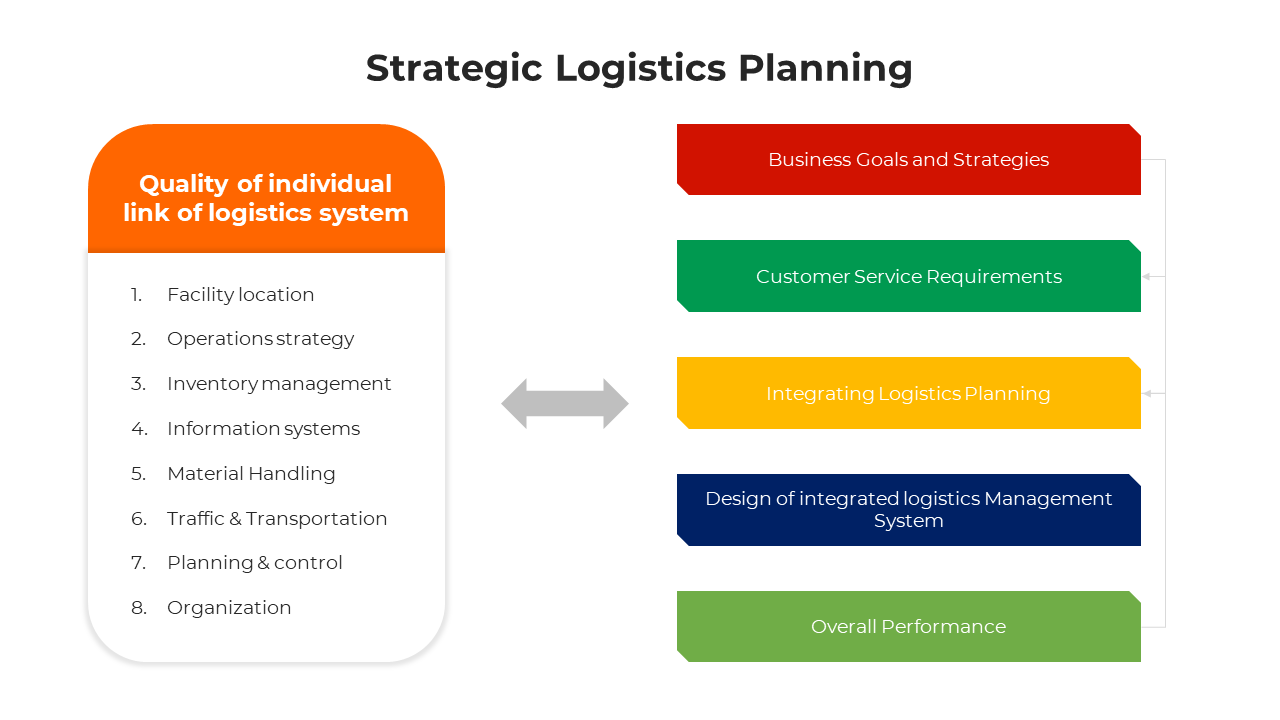
Amassing force in the Middle East is a problem of "throughput." The Pentagon’s planning likely centers on the Fuel and Munition Flow Rate. Modern mechanized units consume thousands of gallons of fuel per hour; in a contested environment, the supply lines (lines of communication) are the highest-value targets.
The Cost Function of Regional Escalation
Warfare is an exercise in resource depletion. To analyze the likelihood of ground operations, one must look at the Escalation Ladder, a framework developed by Herman Kahn to describe the transition from diplomatic friction to total war.
The current movement of US assets indicates we are at the "Dramatic Military Demonstration" rung. This serves as a signaling mechanism intended to alter the adversary's risk-reward calculus. If the adversary perceives that the US has achieved "Escalation Dominance"—the ability to respond to any provocation with a disproportionately higher level of force that the adversary cannot match—the likelihood of actual ground combat decreases.
However, the bottleneck remains the Political Will and Domestic Capacity.
The US defense industrial base is currently strained by concurrent support for multiple global theaters. Production of 155mm shells, Patriot interceptors, and ATACMS missiles remains at maximum capacity, which limits the scope of any sustainable ground campaign without a transition to a "war economy."
The Strategic Path Forward
To maintain regional stability, the US-Israeli alliance is shifting from "Tactical Cooperation" to "Theater Synergy." This requires:
- Deep Integration of C4I (Command, Control, Communications, Computers, and Intelligence): Reducing the "OODA loop" (Observe-Orient-Decide-Act) to near-zero latency by utilizing AI-enhanced threat assessment and target prioritization.
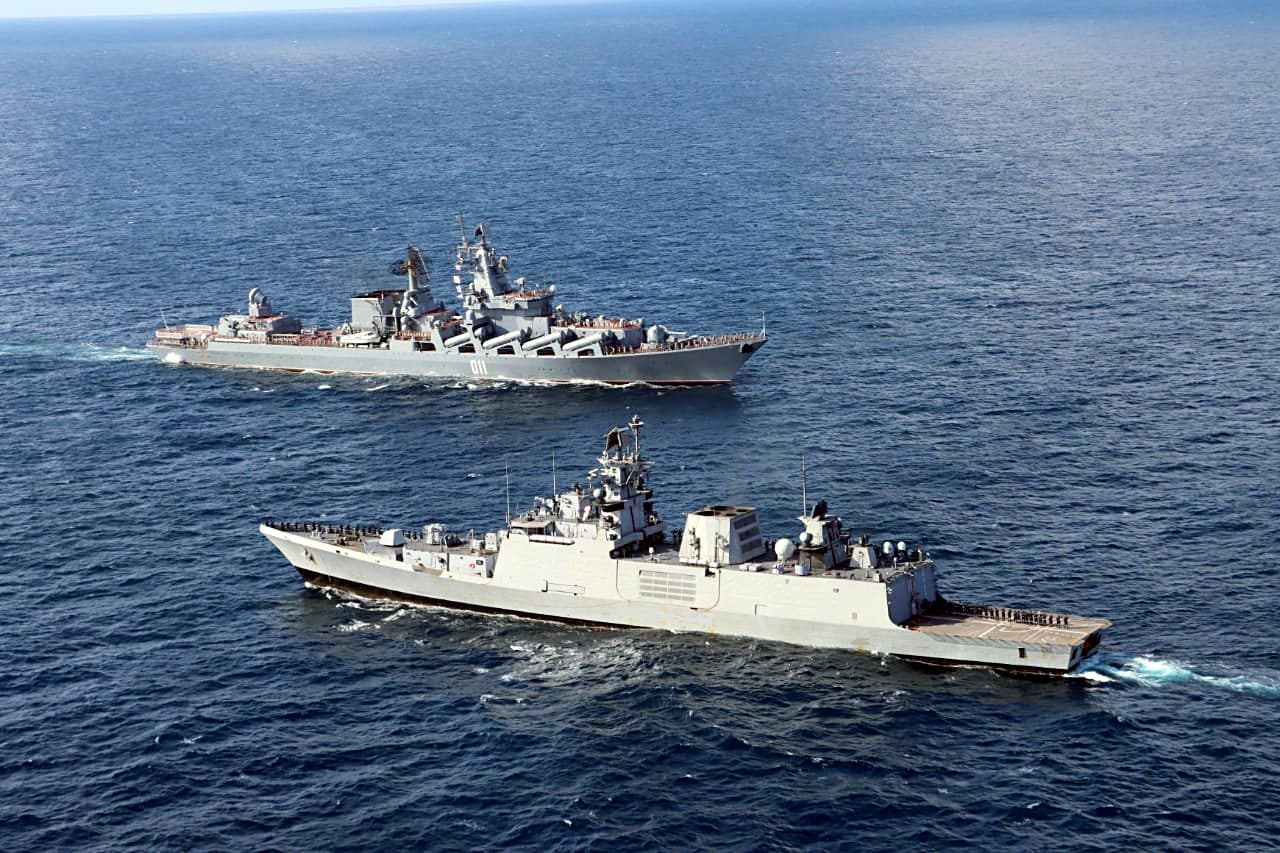
- Distributed Maritime Operations (DMO): Spreading assets across the Red Sea and Eastern Mediterranean to prevent single-point failures and increase the adversary's targeting complexity.
- Proxy Decoupling: Structurally dismantling the supply chains that feed Iran’s regional proxies. This is not accomplished through broad sanctions but through kinetic and cyber-interdictions at specific logistical nodes (ports, bridges, and underground storage).
The presence of General Kurilla in Israel confirms that the strategic focus has moved beyond the "if" of conflict and into the "how" of multi-domain synchronization. The priority is not necessarily to launch a ground war, but to make the infrastructure for such a war so visible and so overwhelming that the adversary’s internal risk assessment renders a conflict too costly to pursue.
The immediate tactical move for the alliance is to increase the density of Aegis-equipped destroyers in the region and to finalize the transfer of the latest-generation bunker-buster technology to the IDF, effectively neutralizing the adversary's primary defensive advantage: subterranean fortification.
Would you like me to analyze the specific types of "Specialized Maneuver" vehicles or the Cyber-ISR protocols being integrated in this theater?