Global oil markets have officially entered a state of cardiac arrest. As of March 13, 2026, the Strait of Hormuz—the 21-mile-wide jugular of the world’s energy supply—is effectively a ghost waterway. Brent crude has shattered the triple-digit barrier, trading at $101 per barrel, while analysts at Goldman Sachs warn of a vertical climb toward $150 if the current military blockade holds through the spring. This is not a standard geopolitical tremor. It is the largest single supply disruption in the history of the petroleum age.
The numbers are staggering. Roughly 20 million barrels of oil and 11 billion cubic feet of liquefied natural gas (LNG) ordinarily transit this passage every day. That flow has now slowed to a trickle. What began on February 28 with joint U.S.-Israeli strikes on Iranian targets has evolved into a strategic strangulation. Iran’s Revolutionary Guard hasn't just threatened the route; they have effectively "mined" the psychology of the global shipping industry. Insurance for tankers attempting the transit has been revoked. Without P&I coverage, no shipowner in their right mind will risk a $150 million vessel, let alone the lives of its crew.
The Physicality of a Ghost Port
In the Persian Gulf, the world’s most expensive parking lot has formed. Over 400 tankers are currently anchored, their engines idling as storage tanks across Saudi Arabia and the UAE reach maximum capacity. When you cannot move the product, you have to stop pulling it out of the ground. Production has already been slashed by 10 million barrels per day, roughly 10% of global demand.
This is where the crisis moves from the sea to the soil.
The disruption extends far beyond gasoline. Roughly 30% of global fertilizer exports, including urea and ammonia, are routed through Hormuz. For the agricultural sector, the timing is catastrophic. As spring planting cycles begin in the Northern Hemisphere, the sudden evaporation of nitrogen-based fertilizers promises a second-wave crisis: a global food price spike that will hit the most vulnerable economies by late summer.
Infrastructure Under Siege
The "why" behind the $100 price tag isn't just about blocked ships. It is about the systematic dismantling of the region's energy architecture.
- Targeted Retaliation: Iranian drones have successfully struck the Ruwais Industrial Complex in Abu Dhabi and fuel tanks at Oman’s Salalah port.
- Force Majeure: QatarEnergy has suspended all production at its Ras Laffan LNG facility, citing security risks. This alone removed 20% of global LNG from the market overnight.
- The Pipeline Myth: While the Saudi East-West pipeline can theoretically move 5 million barrels per day to the Red Sea, operational reality is much bleaker. Maintenance backlogs and the threat of sabotage mean these bypasses can only handle a fraction of the lost volume.
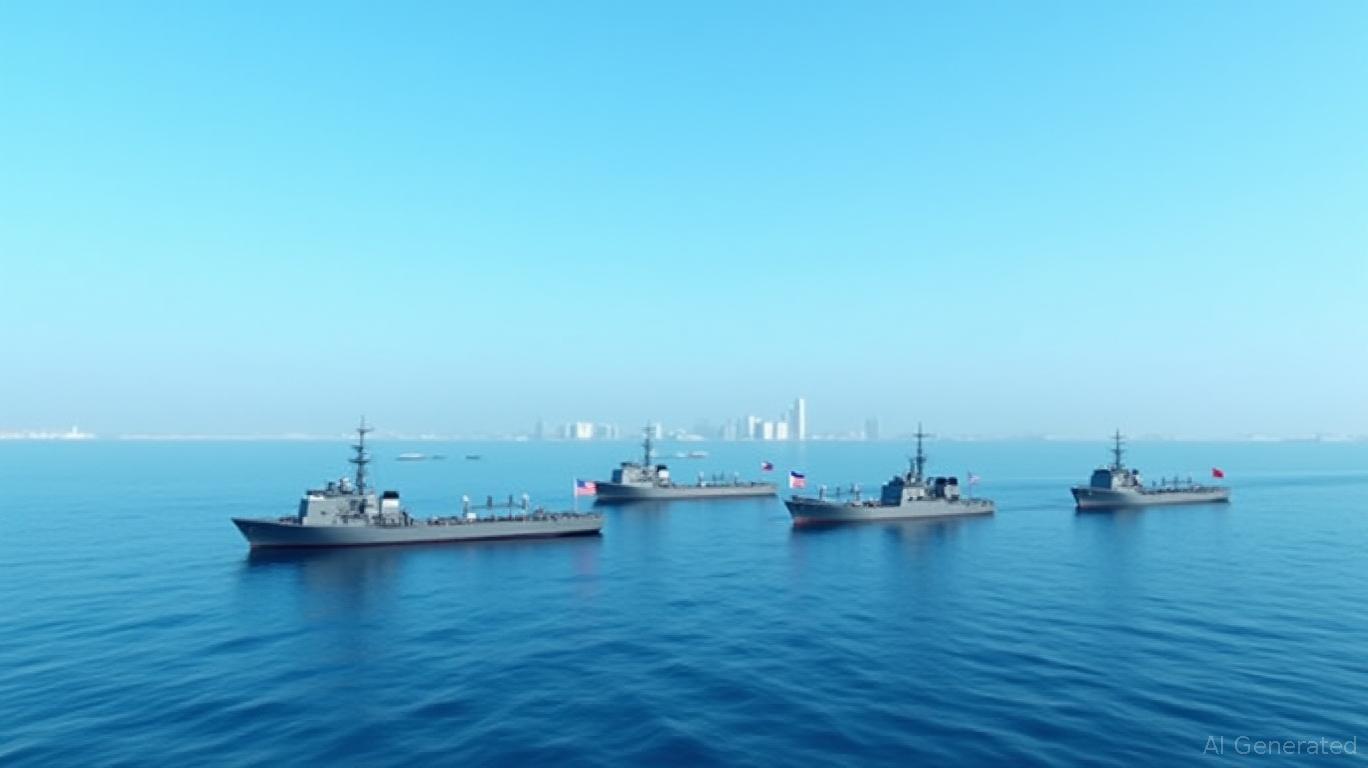
The market is currently pricing in a "unconditional surrender" scenario from the Trump administration, yet Tehran appears to be digging in. The Supreme Leader, Ayatollah Mojtaba Khamenei, has issued a definitive order to keep the strait closed until U.S. forces exit the region—a demand that Washington is currently meeting with more carrier strike groups.
The Asymmetric Burden on Asia
While the U.S. leans on its record 13.6 million barrels per day of domestic production, the East is hemorrhaging. China, the world's largest crude importer, pulls 40% of its supply through Hormuz. Japan and South Korea are even more exposed, relying on the strait for 70% and 80% of their Middle Eastern imports, respectively.
Beijing has already activated emergency measures, ordering refiners to halt fuel exports to preserve domestic stockpiles. In India, economists are sounding the alarm. If oil stays at $120 for more than a month, the country’s current account deficit could balloon to 3.1% of GDP, potentially devaluing the Rupee to record lows. The "stagflation" bogeyman—stagnant growth paired with runaway inflation—is no longer a theoretical risk; it is the base case for the second quarter of 2026.
The Strategic Reserve Gamble
The International Energy Agency (IEA) has authorized the release of 400 million barrels from strategic petroleum reserves (SPR). It is the largest release in history. On paper, this sounds massive. In reality, it covers roughly 20 days of the current deficit. It is a tactical bandage for a wound that requires major surgery.
The market knows this. When Energy Secretary Chris Wright briefly claimed the Navy had successfully escorted a tanker through the S-curve of the strait, prices dipped. When the tweet was retracted and reports of Iranian naval mines surfaced, the market rallied with a vengeance. Traders are no longer listening to policy statements; they are watching satellite feeds for actual wake patterns.
The Breakdown of Logistics
Even if the guns go silent tomorrow, the global supply chain will feel the vibrations for months.
- Container Rotations: Cargo is stranded in the Gulf, and the containers cannot rotate back into service. This creates a hardware shortage for exporters in Shanghai and Rotterdam who have nothing to do with Middle Eastern oil.
- The Cape of Good Hope Tax: Rerouting around the tip of Africa adds 14 days of transit time and thousands of tons in extra fuel costs.
- Insurance Paranoia: Even after a ceasefire, maritime insurers will likely keep "war risk" premiums elevated for a year or more, permanently raising the floor for shipping costs.
This crisis has exposed a fundamental truth about the "energy transition" era: we are still dangerously tethered to a handful of miles of water. The push for renewables was supposed to mitigate this vulnerability, yet the sheer scale of the global economy’s dependence on Gulf hydrocarbons remains the ultimate leverage point.
The immediate next step for the U.S. and its allies is a coordinated freedom of navigation operation, but the risk of a "hot war" in the world's most crowded waterway remains at an all-time high. Until a tanker can make it from the Gulf of Oman to the Persian Gulf without an Aegis-class escort, the $100 floor is here to stay.
Keep a close eye on the weekly EIA inventory reports for any sign that domestic U.S. production is being redirected to the Pacific, as this will signal how long Washington expects the blockade to last.