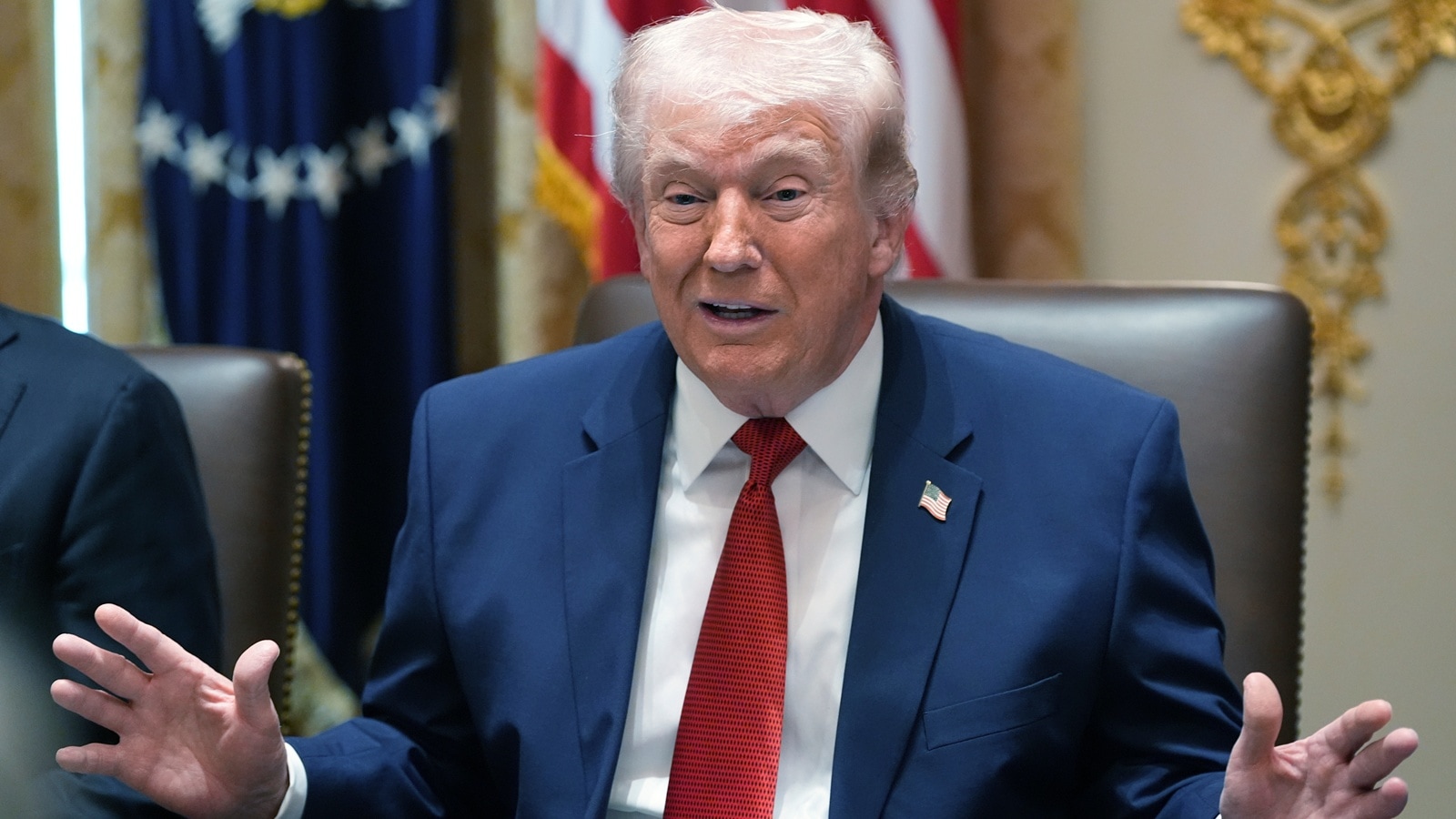
The era of the United States acting as the world’s unpaid gas station security guard is over. For decades, the global assumption was simple. If tensions flared in the Middle East, the US Navy would steam into the Persian Gulf, keep the oil flowing, and bear the brunt of the cost and risk. But that logic is officially dead. President Donald Trump’s blunt demand that allies "go get your own oil" in the Strait of Hormuz wasn't just a random outburst. It was a clear signal that the American security umbrella has some massive holes in it.
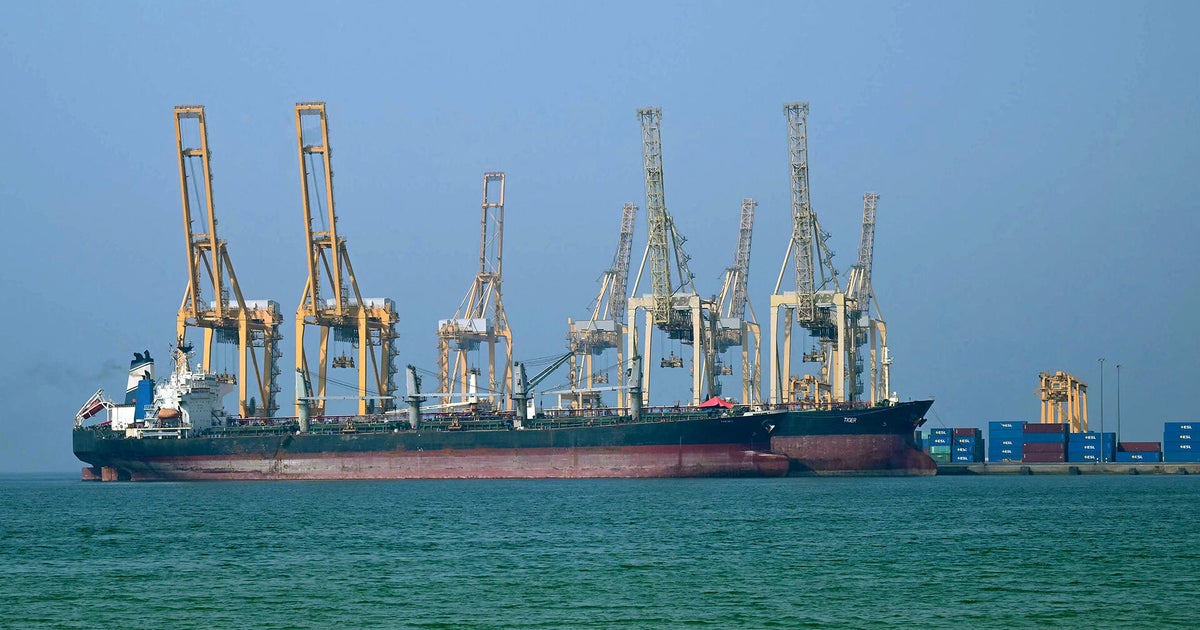
The Strait of Hormuz is the world's most critical chokepoint. We're talking about a narrow strip of water where roughly 21 million barrels of oil pass through every single day. That's about 20% of the world’s daily consumption. Yet, while the US provides the bulk of the naval protection, it barely uses that oil anymore. The US is now the world’s largest producer of crude. We've got our own. The people who actually need that oil—countries like China, Japan, and South Korea—are the ones who should be doing the heavy lifting.
The Math Behind the Shift in Policy
It doesn’t take a genius to see why the US is backing off. Back in the 1970s and 80s, an Iranian blockade of the Strait would have crippled the American economy in days. Lines at gas stations, skyrocketing inflation, and total chaos. Today? Not so much. Thanks to the shale revolution, the US is sitting on a surplus.
Most of the tankers sailing through those dangerous waters are heading to Asian ports. China, specifically, is the biggest customer for Middle Eastern crude. Why is the American taxpayer footing the bill to protect China’s energy supply? It’s a valid question that resonates with voters who are tired of "forever wars" and endless overseas commitments.
The dynamic has shifted from a global necessity to a regional burden. Trump’s rhetoric might be jarring to some diplomats, but it reflects a hard reality. The US is pivotting its focus toward the Indo-Pacific and domestic issues. If you want your tankers protected from Iranian Revolutionary Guard fast boats, you better bring your own frigates.
Why Allies are Panicking Over the New Normal
This isn't just about money. It’s about capability. Most US allies don't have the naval reach to project power halfway across the world. The UK and France can send a few ships, but they can't sustain a massive, long-term presence. Japan is legally and politically constrained by its pacifist constitution.
When the US says it won't be there to help, it creates a massive power vacuum. Iran knows this. They've spent years developing "asymmetric" capabilities—mines, drones, and small, fast attack craft that can swarm a massive tanker or even a destroyer. Without a massive US carrier strike group nearby, the risk profile for shipping companies goes through the roof. Insurance premiums for tankers spike, and those costs get passed directly to the consumer at the pump.
We've seen this play out before. When tensions rose in 2019 and 2024, the US didn't just rush in with guns blazing. It asked for a coalition. It wanted "Operation Sentinel" to be a multi-national effort. The message was clear. Don't call us unless you're willing to put skin in the game.
The China Factor and Global Energy Security
China finds itself in a weird spot. They need that oil more than anyone, but they aren't ready to replace the US as the region's policeman. They've built a naval base in Djibouti, but they don't have the blue-water navy required to dominate the Persian Gulf.
Ironically, the US withdrawal might force China to get more involved in Middle Eastern politics. If the US stops playing the role of the neutral (or at least dominant) enforcer, China has to step up. That means more Chinese warships in the Indian Ocean. It means more Chinese influence over Gulf monarchies. For some in Washington, that's a nightmare scenario. For others, it's a "not our problem" situation.
The reality is that the world has gotten used to a free ride. Countries have built entire economies based on the assumption that the US will always keep the sea lanes open. That assumption is now a liability.
What Happens if the Strait Actually Closes
If Iran decided to mine the Strait tomorrow, the world would see a price shock unlike anything in recent history. We aren't just talking about a few dollars more for a gallon of gas. We're talking about a global industrial shutdown.
While the US has its own oil, the market is global. Prices are set on the world stage. Even if we don't buy a single drop from Saudi Arabia, a price spike in London or Singapore hits Houston and New York. The difference now is that the US has the strategic option to walk away. We can survive the shock better than anyone else. That gives American leaders a massive amount of leverage.
The "America First" approach to the Strait of Hormuz is basically a giant game of chicken. The US is betting that the rest of the world will eventually step up because they simply have no other choice. It's a high-stakes gamble with the global economy.
Preparing for a Post American Gulf
If you're a shipping company or an energy-dependent nation, the writing is on the wall. You can't rely on the Seventh Fleet forever. You need to start looking at alternatives.
This means more pipelines that bypass the Strait. Saudi Arabia and the UAE have already built some, but they don't have the capacity to move all the oil that currently goes by ship. It means more investment in renewables to reduce dependency on Middle Eastern crude. Most importantly, it means nations need to start building navies that can actually protect their own interests.
The days of "strategic ambiguity" are over. The US is telling its allies exactly what it wants. Pay up, show up, or get used to higher prices and riskier waters. It's a blunt, unrefined policy, but it's the one we're living with now.
Start diversifying your energy sources and stop assuming the US Navy is your private security force. The shift in American foreign policy isn't a temporary glitch; it's a fundamental restructuring of how global power works. If your business or country relies on the Strait of Hormuz, you need a Plan B that doesn't involve an American aircraft carrier. The protection isn't coming back for free.