The western media has a fever dream. It’s a recurring nightmare involving a map of the Persian Gulf, a red circle around the Strait of Hormuz, and a screaming headline about $300-a-barrel oil. Every time Tehran rattles a saber, the "geopolitical analysts" dust off the same tired scripts. They tell you the global economy is one Iranian speedboat away from a total cardiac arrest.
They are wrong. They are lazy. And they are ignoring the physics of modern energy logistics.
The "Hormuz Chokepoint" narrative is the most overleveraged piece of fear-mongering in the energy sector. We’ve been conditioned to believe that 21 miles of water dictates the fate of Western civilization. It doesn't. While the media treats a potential closure as an apocalyptic certainty, the reality is that such a move would be a strategic suicide note for Iran and a manageable, albeit painful, pivot for the rest of the world.
The Myth of Total Blockage
The primary fallacy is the idea that the Strait can be "closed" like a garage door.
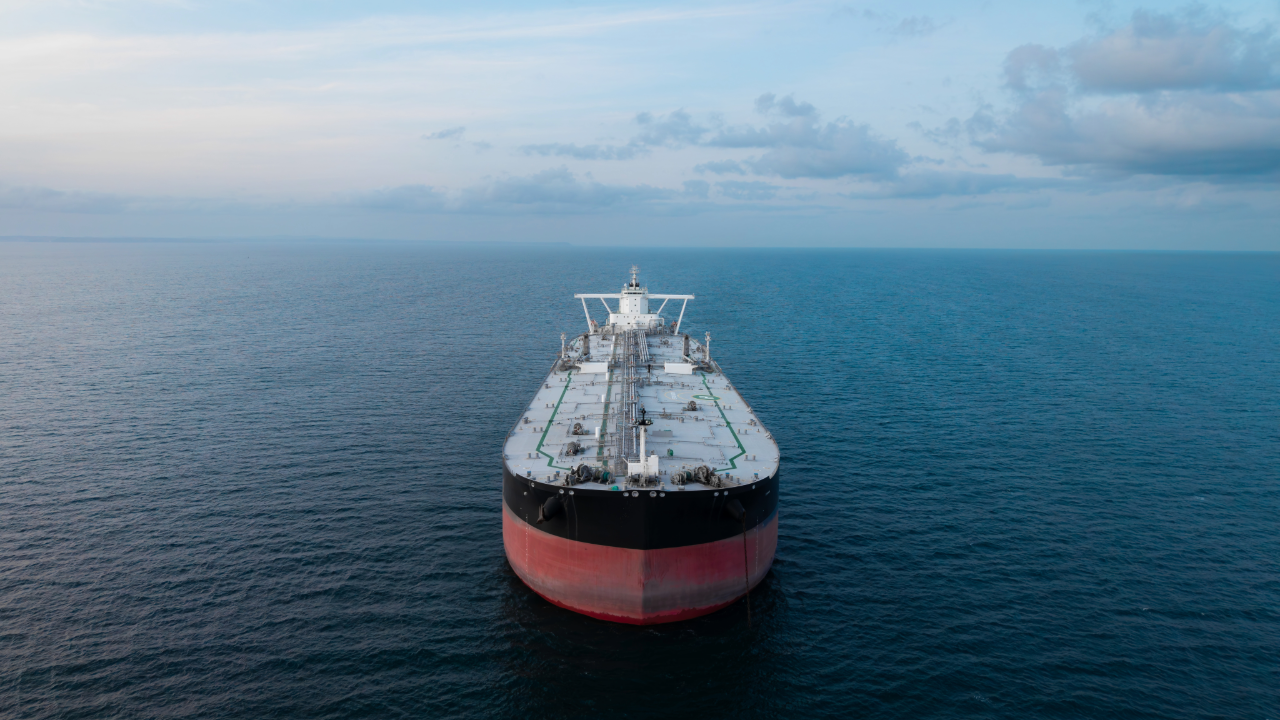
The Strait of Hormuz isn't a narrow canal; it’s a shipping corridor with deep-water channels. To truly halt traffic, Iran would need to maintain a persistent, high-intensity naval presence under the nose of the U.S. Fifth Fleet. This isn't 1980. We aren't talking about a few stray mines. To stop a 300,000-ton Very Large Crude Carrier (VLCC), you need more than a threat; you need sustained kinetic dominance.
Iran’s "asymmetric" capabilities—small fast-attack craft and anti-ship missiles—are designed for harassment, not a blockade. Harassment creates a spike in insurance premiums. It does not stop the flow of molecules.
The Math of Alternative Routes
The consensus ignores the massive infrastructure built specifically to bypass this specific anxiety.
- The Habshan–Fujairah Pipeline: The UAE can move roughly 1.5 million barrels per day directly to the Gulf of Oman, completely skipping the Strait.
- The East-West Pipeline (Petroline): Saudi Arabia has the capacity to shunt 5 million barrels per day across its landmass to the Red Sea.
- The Inventory Cushion: Global strategic reserves are at levels that make a 30-day disruption a logistical headache, not a societal collapse.
When you add up the bypass capacity and the existing global spare capacity outside the Gulf, the "lost" oil is a fraction of the total volume. Markets hate uncertainty, so the price will jump on the news, but the physical shortage is a phantom.
Why Iran Won’t Pull the Trigger
If you’re sitting in Tehran, closing the Strait is the "Nuclear Option" that doesn't involve actual nukes. It is a one-time-use card. The moment you play it, you lose all leverage and invite a conventional military response that would erase your domestic refining capacity in forty-eight hours.
China is the Real Warden
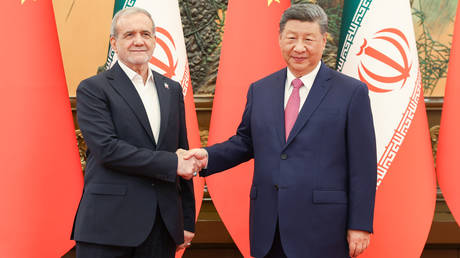
Here is the part the pundits miss: Iran’s biggest customer is not the Great Satan. It’s China.
Roughly 90% of Iran’s "ghost fleet" exports land in Chinese teapots (independent refineries). If Iran blocks the Strait, they aren't just starving the West; they are cutting off the energy supply to the only superpower currently keeping their economy on life support. Beijing does not tolerate disruptions to its manufacturing input costs.
Iran is essentially holding a gun to its own head and claiming it's a hostage situation. If they close the Strait, they bankrupt themselves before they ever empty a gas station in California.
The Insurance Premium Grift
The panic you see in the headlines serves a specific group of people: commodities traders and maritime insurers.
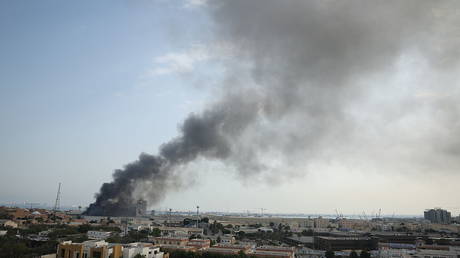
When a headline drops about "vessels seized," the "War Risk" premiums for shipping through the Gulf skyrocket. This is a transfer of wealth from consumers to the financial sector, justified by a threat that rarely translates into a sunk ship. In the shipping industry, we call this the "Hormuz Tax." It’s a psychological markup.
I’ve seen traders bid up Brent futures by $5 on a rumor of a drone sighting, only for the physical market to remain completely flat. The disconnect between paper oil and physical oil is where the "consensus" fails. The physical market knows the tankers are still moving. The paper market is just gambling on the fear.
Rethinking the "Chokepoint"
The real danger isn't a blockade; it's the slow, grinding inefficiency of increased security protocols.
If we stop asking "What if they close it?" and start asking "How much does it cost to ignore them?", the power dynamic shifts. The U.S. and its allies have spent decades preparing for a "Day Zero" closure. The Result? We’ve built a global energy system that is remarkably resilient to localized shocks.
The Reality Check Table
| The Fear | The Reality |
|---|---|
| Global Oil Starvation | Only 20-30% of global consumption passes through the Strait. |
| Instant Economic Collapse | Commercial inventories and SPRs can bridge months of disruption. |
| Unstoppable Iranian Navy | Iran's navy is a coastal defense force, not a blue-water blockade power. |
| $200 Oil Forever | High prices destroy demand, leading to an inevitable and violent crash. |
The Strategic Incompetence of Fear
If you want to understand the Middle East, stop looking at the maps and start looking at the ledgers.
The Strait of Hormuz is a theatrical stage. Every few years, the actors come out, recite their lines about "closing the gates," and the audience (the media) gasps on cue. It’s a performance designed to drive concessions in sanctions relief or nuclear negotiations.
The threat is the product. Once the threat is executed, the product is gone, and the producer is destroyed.
Stop worrying about the Strait being closed. Start worrying about why you’re still listening to the people who have been wrong about it for forty years. The world has moved on. The "chokepoint" is a relic of 1970s energy insecurity, kept on life support by a news cycle that thrives on the prospect of a dark winter.
If the Strait closes tomorrow, the world pivots in a week. Iran, however, never recovers.
Bet on the physics of the market, not the rhetoric of the regime.