The Theatre of the Interruption
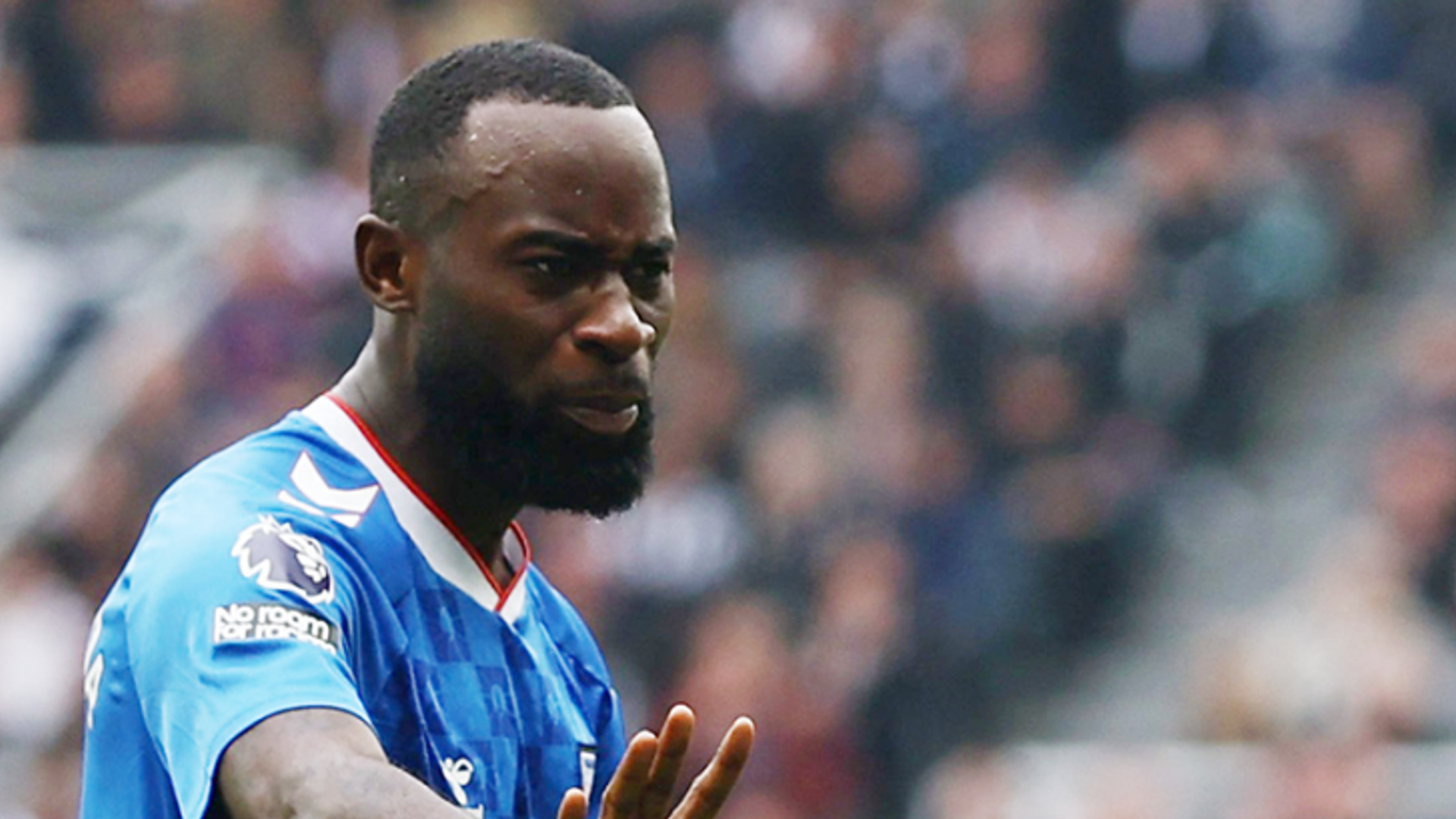
The referee blows the whistle. The players walk to the touchline. The stadium announcer delivers a scripted, monotone warning over the PA system. The "No Room for Racism" graphics flash on the digital hoardings with practiced precision. We’ve all seen this movie before. It’s the Premier League’s standard operating procedure for dealing with reported abuse from the stands.
The media calls it "taking a stand." I call it a logistical surrender that does exactly what the abuser wants: it grants them total control over the most expensive sporting product on earth.
When a match is stopped because of a single person in a crowd of 40,000, we aren't "empowering" players. We are teaching every bored, malicious nihilist with a ticket that they possess a "kill switch" for a global broadcast. We have institutionalized a system where the lowest common denominator dictates the rhythm of elite performance. It is a tactical error of the highest order, and it's time to admit that the current protocol is a failure of nerve, not a triumph of morality.
The Math of Malice
Let’s look at the numbers. According to Home Office data for the 2022/23 season, football-related arrests increased by 32% compared to the previous year. Within those figures, reports of "hate crime" incidents at matches rose by 24%. This isn't because society is suddenly regressing to the 1970s; it’s because we’ve created a feedback loop where the reward for being a bigot is a front-page headline and a five-minute pause in a multi-million-pound event.
In any other industry, if a single individual disrupted a workflow involving hundreds of millions of dollars in television rights, they would be neutralized quietly and the work would continue. In football, we choose to reward the disruption with a spectacle.
Imagine a scenario where a heckler at the Oscars could stop the entire ceremony for ten minutes while the Academy "investigated" the seating chart. It would never happen. They would be dragged out by security while the show went on. By stopping the match, the Premier League elevates a coward to the status of a protagonist.
The False Narrative of Collective Responsibility
The current "three-step" UEFA-derived protocol operates on the flawed premise of collective punishment. If the abuse continues, the match is eventually abandoned. This is fundamentally illogical. Why should 21 other players, two coaching staffs, and 39,999 paying fans suffer a loss of service because one person—likely fueled by cheap lager and a desperate need for attention—said something vile?
The "lazy consensus" among pundits is that stopping the game shows "solidarity." Real solidarity would be the stadium security apparatus doing their jobs with surgical efficiency without interrupting the game.
We have the technology. Every modern Premier League stadium is a panopticon. Between high-definition CCTV, fan-reporting apps, and the density of stewards, identifying an offender takes minutes, not hours. The fact that we still rely on "stopping the clock" suggests the authorities are more interested in the optics of being offended than the mechanics of enforcement.
The Breakdown of the Current Protocol:
- Step 1: The PA Announcement. This is a signal to the abuser that they have been heard. It is validation, not a deterrent.
- Step 2: Players leave the pitch. This creates a vacuum of tension. It punishes the players’ physical conditioning and ruins the tactical flow of the game.
- Step 3: Abandonment. The nuclear option. This results in massive legal headaches, ticketing refunds, and potential fan unrest outside the stadium.
The Professional Price of "Taking a Stand"
I’ve spent years in the orbit of high-performance environments. Athletes are finely tuned machines. Their heart rates are managed; their cooling-down periods are calculated. When you stop a match for ten minutes in the 70th minute, you aren't just "pausing" a game. You are significantly increasing the risk of soft-tissue injuries as muscles cool and adrenaline levels fluctuate wildly.
By forcing players to stand around or retreat to the dressing room, the league is effectively saying that the emotional satisfaction of a symbolic gesture is worth more than the physical safety and professional output of the workers on the pitch. It’s a classic case of management prioritizing PR over the actual well-being of the talent.
Furthermore, we ignore the tactical reality. A team under pressure—perhaps the team whose fan is doing the shouting—benefits from the break. The momentum is killed. The attacking side loses its edge. We have inadvertently created a scenario where a fan can tactically intervene to help their team catch their breath. If you don't think "dark arts" fans will eventually weaponize this, you haven't been paying attention to the history of footballing cynicism.
Dismantling the "Education" Myth
The go-to solution for every league executive is "education." It’s a comforting word. It sounds proactive. In reality, it’s a cop-out.
You cannot "educate" someone who already knows that what they are doing is illegal and socially unacceptable but does it anyway for the rush of the taboo. The individuals being arrested at games aren't confused about the ethics of racism; they are choosing to be malicious.
The industry spends millions on "Kick It Out" and similar initiatives, yet the numbers keep climbing. Why? Because we are treating a criminal justice problem as a HR problem. Racism in a stadium isn't a "misunderstanding" that can be fixed with a pamphlet and a 30-second video featuring a captain reading from a teleprompter. It is a breach of the peace.
The Industry Insider’s Alternative: The "Ghost Removal"
If the Premier League actually wanted to solve this without destroying their own product, they would adopt a "Play-Through" mandate.
Stop the theatrical PA announcements. Stop the players walking off. Instead, empower the stewards and the police to act as a strike team. When a report comes in via the app or a nearby fan, the security should move in silence. The offender is removed mid-play. No announcement. No pause. No recognition from the referee.
The goal should be to make the abuser disappear so quietly that the rest of the stadium barely notices. Deprive them of the oxygen of attention. If the player being targeted wants to walk off, that is their prerogative and must be respected—but the league’s default should not be to facilitate a media circus.
Why this works:
- Zero Reward: The abuser gets no "fame," no stoppage, and no reaction from the players.
- Maintaining Integrity: The 99.9% of fans who behaved themselves get the match they paid for.
- Operational Efficiency: It forces clubs to invest in better stadium security rather than better PR firms.
The Cost of Admitting We're Wrong
The downside to my approach? It isn't "brand-safe."
Commercial partners love the stoppage. They love the chance to put their logo next to a "Unity" message. It’s a "brand-building" moment in the middle of a crisis. If you remove the drama, you remove the opportunity for the league to look virtuous.
I’ve sat in rooms where "crisis management" is discussed. The fear isn't the racism itself; it's the fear of being seen as not doing "enough." And in the modern era, "enough" is measured by how much noise you make, not how many problems you actually solve.
Stopping the game is loud. It's visible. It's easy to tweet about. Actually securing a stadium and ensuring 90 minutes of uninterrupted football requires competent logistics and a backbone—two things currently in short supply at the top of the English game.
Stop Asking the Wrong Question
The media keeps asking: "How do we stop fans from being racist?"
That is the wrong question. You will never stop 100% of human beings from being idiots in a crowd of thousands. It is a statistical impossibility.
The real question is: "How do we stop one idiot from ruining the experience for everyone else?"
The answer isn't a 10-minute break and a lecture. The answer is to ignore the noise, remove the body, and keep the clock running. Anything else is just giving the bigots exactly what they want: the power to stop the world.
Empty the seat, not the pitch.