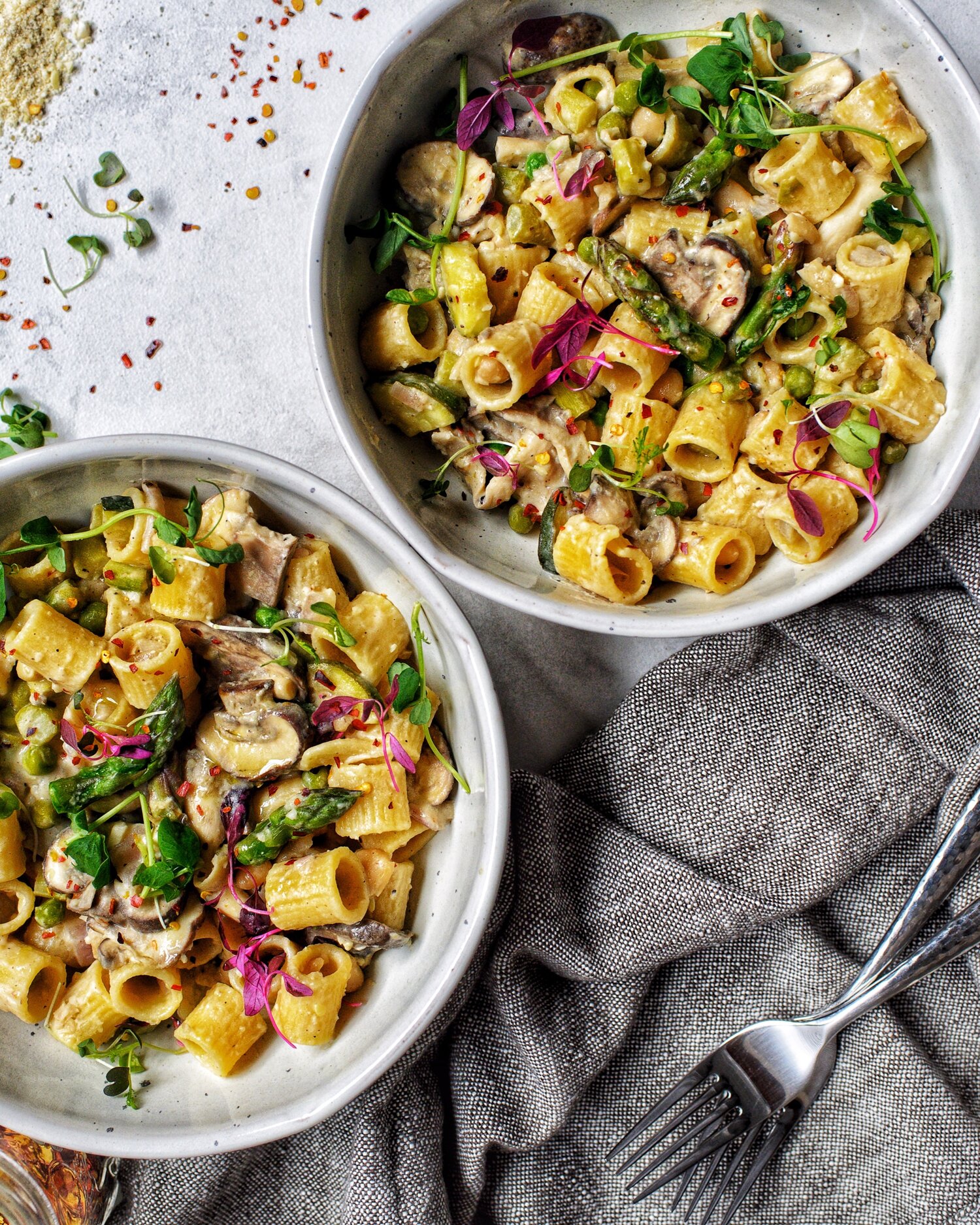
The culinary world is currently obsessed with "North London buzzy Italian" aesthetics. You know the drill: minimalist menus, overpriced natural wine, and the inevitable "seasonal" pea and mint pasta that every food critic hails as a herald of spring. It’s a lie. Most of these restaurants are selling you a bowl of green-tinted mediocrity under the guise of freshness.
If you think throwing frozen petit pois and a handful of bruised mint into a pan of butter constitutes "high-level" seasonal cooking, you’ve been sold a bill of goods. The traditional pea and mint combination isn't a masterpiece of balance; it’s a crutch used to mask poor technique and out-of-season produce. Read more on a related issue: this related article.
The Frozen Pea Delusion
Let’s address the elephant in the kitchen: the industry’s weird obsession with frozen peas. Chefs love to tell you that frozen peas are "better than fresh" because they are flash-frozen at the source. This is a half-truth designed to justify laziness.
While the $V_{itamin}$ C content might be preserved, the structural integrity and the complex, starchy-sweet transition of a truly fresh pea are lost the moment they hit the ice. When you toss frozen peas into pasta, they release a watery discharge that thins your sauce and ruins the emulsification of your fats. You aren’t getting "pop"; you’re getting mush. Further reporting by The Spruce highlights comparable perspectives on the subject.
The "buzzy" restaurants use them because they are cheap and consistent, not because they are superior. If you want a real spring pasta, you wait for the three-week window when actual English peas are available, and you prepare for the manual labor of shelling them. If you aren't willing to do the work, don't pretend you're eating "seasonally."
Mint Is a Bully, Not a Partner
The second mistake is the mint. Mint is the loudest herb in the garden. In the hands of a line cook at a trendy trattoria, it’s a blunt instrument.
Most recipes tell you to "finely chop" the mint. This is a disaster. Chopping mint bruises the leaves, oxidizing the oils and turning the flavor from bright and peppery to metallic and soapy. When you heat it, the problem gets worse. Mint should never be cooked; it should be treated like a volatile chemical.
The industry-standard ratio is almost always wrong. It overpowers the delicate sweetness of the pea (if you managed to find good ones) and turns the dish into something that tastes suspiciously like savory toothpaste.
The Emulsion Failure
The "North London" style usually relies on a simple butter and pasta water emulsion. It sounds elegant. In practice, it’s usually a greasy mess.
True carbonara or cacio e pepe requires a specific protein-to-starch ratio to create a stable sauce. Peas add a massive amount of moisture but zero binding power. To fix this, most home cooks (and many "pro" kitchens) over-reduce the pasta water, leaving a sticky, gummy coating that clogs the palate.
To actually make this dish work, you need to stop thinking about it as "pasta with stuff in it" and start thinking about it as a structural engineering problem.
1. The Legume Lard Technique
Instead of tossing whole peas into the pan like confetti, take one-third of your peas—the ugliest, starchiest ones—and blanch them. Shock them in ice water, then blend them with high-quality olive oil and a touch of pecorino. This creates a "legume lard" that acts as a bridge between the pasta starch and the whole peas. It provides the creamy mouthfeel people think they're getting from butter, but with actual flavor depth.
2. Acid Over Fat
Everyone adds more butter. No one adds enough acid. The sweetness of a pea is one-dimensional. To make it "vibrant," you don't need more fat; you need a sharp, citrusy backbone. But don't use lemon juice—it’s too aggressive and turns the chlorophyll in the peas a depressing shade of army green. Use a white balsamic or a champagne vinegar. It cuts through the starch without killing the color.
3. The Cold-Infused Oil
If you must use mint, stop throwing the leaves in the pan. Infuse a neutral oil with the stems and a few leaves at room temperature for six hours, then strain it. Drizzle this over the finished dish. You get the aromatic profile of the mint without the grassy, fiber-heavy texture of the leaves themselves.
Why the "Buzzy" Italian Places Are Getting Away With It
We are currently in an era of "vibe-based" dining. If the lighting is low, the chairs are mid-century modern, and the server is wearing a chore coat, we convince ourselves the food is transcendental.
I have seen kitchens in Shoreditch and Islington charge $24 for a bowl of pasta that contains roughly $0.80 worth of ingredients. They rely on the fact that you haven't had a real pea since you were a child. They rely on the "spring" branding to bypass your critical faculties.
The "perfect" spring pasta doesn't come from a restaurant that needs to turn 200 covers a night. It comes from a kitchen where the cook understands that spring produce is fragile, fleeting, and usually ruined by the very techniques taught in culinary school.
Stop Buying the Hype
The next time you see a "pea and mint" pasta on a menu, ask yourself: Is this a celebration of the season, or is it a high-margin filler?
Most of the time, you're being sold a bowl of frozen convenience food dressed up in a "North London" costume. If you want the real thing, go to the market, buy the pods, shell them until your fingers are stained, and treat the ingredients with the aggression they deserve.
Anything else is just eating the marketing.
Throw away the recipe from the "buzzy" Italian spot. It was designed for Instagram, not your palate. True seasonality is difficult, expensive, and messy. If it feels easy, you're doing it wrong.