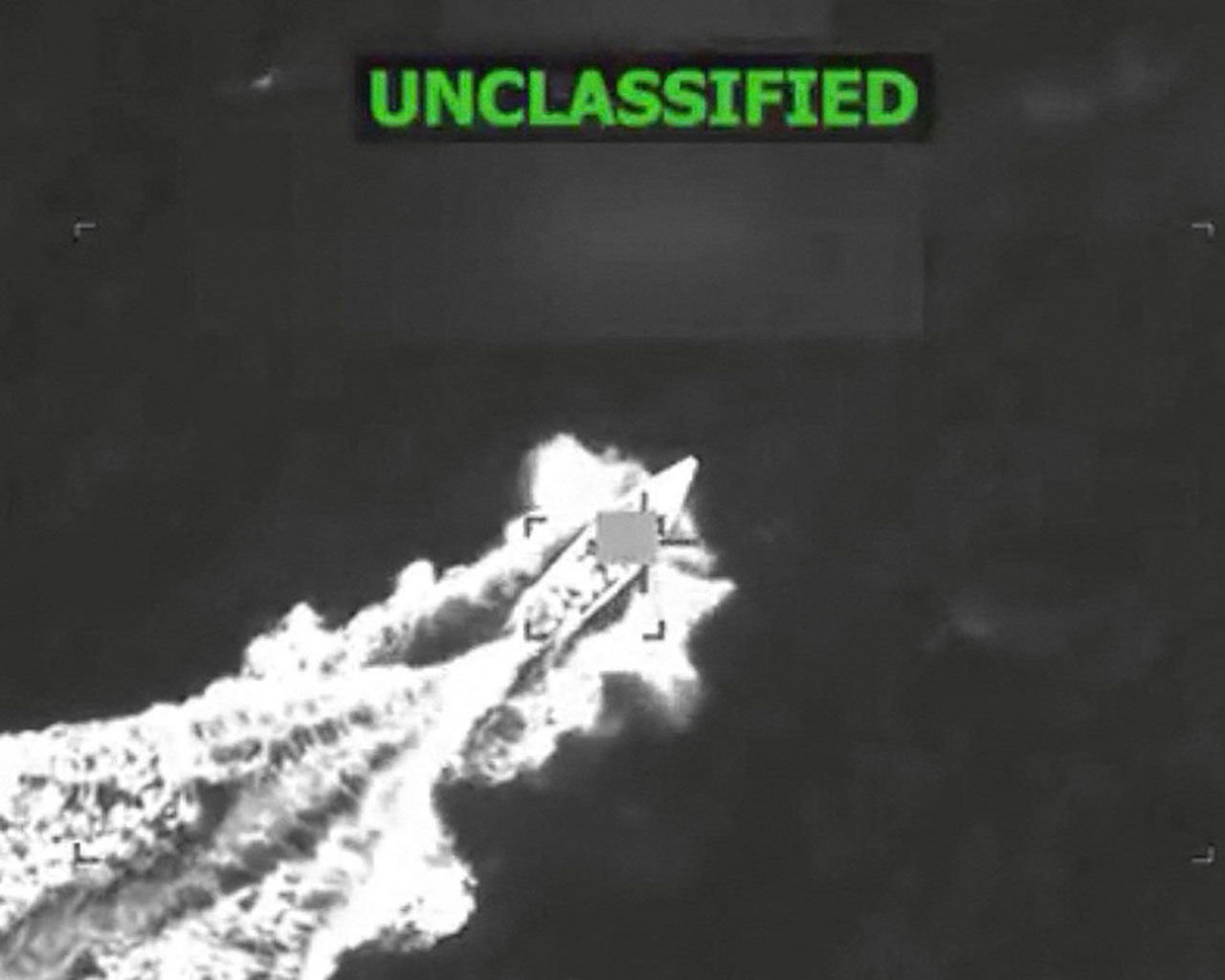
Don't let the diplomatic jargon fool you. While headlines suggest Iran is merely "reviewing" a 15-point U.S. proposal to end the current war, the reality on the ground in Tehran and Beirut tells a much grittier story. We're currently 26 days into a conflict that has already reshaped the Middle East. The White House, under President Trump, is pushing a maximalist "deal of the century" for Iran, but the gap between Washington’s demands and Tehran’s survival instincts is a canyon.
The stakes couldn't be higher. Israel is striking naval and missile production sites in Tehran today, even as the U.S. passes messages through Pakistani mediators. It's a classic "fire and talk" strategy. You're seeing the U.S. offer sanctions relief and civilian nuclear aid on one hand, while threatening "harsher strikes" with the other.
What’s Actually in the US Proposal
The 15-point plan isn't a compromise; it’s a demand for a total strategic pivot. Sources familiar with the document, including reports from The Wall Street Journal and Channel 12, suggest it goes far beyond a simple ceasefire.
- Nuclear Decommissioning: The U.S. wants the total dismantling of Natanz, Isfahan, and Fordow.
- The Hormuz Chokepoint: A permanent reopening of the Strait of Hormuz to all international traffic.
- Proxy Abandonment: Tehran must stop funding and arming Hezbollah, the Houthis, and Iraqi militias.
- Missile Limits: Drastic restrictions on Iran’s ballistic missile program, limiting it to strictly defensive use.
In exchange, the U.S. is dangling the carrot of lifting nuclear-related sanctions and removing the "snapback" mechanism that allows for the automatic reimposition of penalties. It sounds like a path to peace, but for the Iranian leadership, it looks like a blueprint for regime collapse.
The Iranian Counter-Offer and the Lebanon Link
Tehran isn't just sitting back. Foreign Minister Abbas Araghchi says they're reviewing the points, but he’s also calling the proposal a "wish list" and an "admission of defeat" by the West. Iran has countered with its own five-point plan that essentially demands the U.S. and Israel admit they were the aggressors.
The biggest sticking point right now? Lebanon.
Iran is explicitly linking any ceasefire to a halt in Israel’s offensive against Hezbollah. They won't accept a deal that leaves their most prized proxy to be dismantled by the IDF in southern Lebanon. With Israeli Defense Minister Israel Katz announcing plans to seize territory up to the Litani River for a "buffer zone," the two sides are on a collision course. Iran knows that if Hezbollah falls, its "Forward Defense" doctrine—the idea of fighting its enemies at their borders rather than its own—is dead.
Why This Isn't a Standard Negotiation
This isn't 2015. The Iranian Supreme Leader is dead, killed in the opening salvos of this war on February 28. The power structure in Tehran is fluid and paranoid. When White House Press Secretary Karoline Leavitt says Iran "wants to talk," she’s likely sensing the desperation of an economy that's seeing 1,500 civilians killed and its vital infrastructure turned to rubble.
But "wanting to talk" isn't the same as "willing to surrender."
Regional countries like Bahrain and the UAE are feeling the heat too. Iran has threatened to "seize the coastlines" of its neighbors if they continue to support U.S. operations. This isn't just a war between two nations; it’s a regional wildfire that's currently "out of control," according to the UN.
The Reality of the "Review" Process
When a government says it's "reviewing" a proposal while its capital is being bombed, it's usually buying time. Tehran is looking for signs of fatigue in Washington or a crack in the Israeli-U.S. alliance. They’re also watching the Strait of Hormuz. By allowing a few non-U.S. fuel tankers through, they're testing if they can "de-escalate" the economic pressure without giving up their military leverage.
Honestly, the U.S. proposal is so maximalist that it's hard to see the current Iranian leadership signing it without a massive internal shift. They want war reparations and a guarantee that they can keep their "natural right" over the Strait. These are non-starters for the Trump administration.
If you’re waiting for a "Mission Accomplished" moment this week, don't hold your breath. The "review" is a stall tactic, and the "proposal" is a ultimatum.
If you want to understand where this is actually headed, stop looking at the 15 points and start looking at the Litani River in Lebanon. That's where the real terms of this peace deal are being written—in the dirt. Keep an eye on whether the U.S. agrees to include Hezbollah in the ceasefire talks. If they don't, the "review" in Tehran will likely end with a "no."