The national news cycle is currently obsessed with a script it reads every few years. Senators are huddled in a room, the Department of Homeland Security budget is hanging by a thread, and the media is screaming about "imminent airport disruptions." We are told that unless a deal is struck by Friday, the TSA lines will stretch into the parking lots and the skies will practically fall.
This narrative is a lie.
It is a comfortable, bipartisan lie that allows politicians to look like heroes and bureaucrats to excuse their own inefficiency. The "budget standoff" is not the cause of your travel misery. It is the smokescreen. If you think a signed piece of paper in D.C. magically fixes the structural rot in American aviation infrastructure, you haven't been paying attention to the last decade of systemic failure.
The Myth of the Funding Cliff
Every time a shutdown looms, the narrative focuses on the "heroic" TSA agents and Border Patrol officers working without pay. It’s designed to tug at your heartstrings while ignoring the math.
Federal agencies operate on "essential" status during these theatrical standoffs. The planes keep flying. The scanners keep humming. The real disruption isn't the lack of a budget; it's the fact that we have built a travel ecosystem so fragile that a three-day delay in administrative accounting is treated like a black swan event.
I’ve spent years watching how these agencies manage resources. The problem isn't the quantity of cash—it's the rigidity of the allocation. We are pouring billions into a 20th-century security model and wondering why it can't handle 21st-century volume. When a senator "chases a deal," they aren't chasing innovation or efficiency. They are chasing the status quo.
The TSA Security Theater Tax
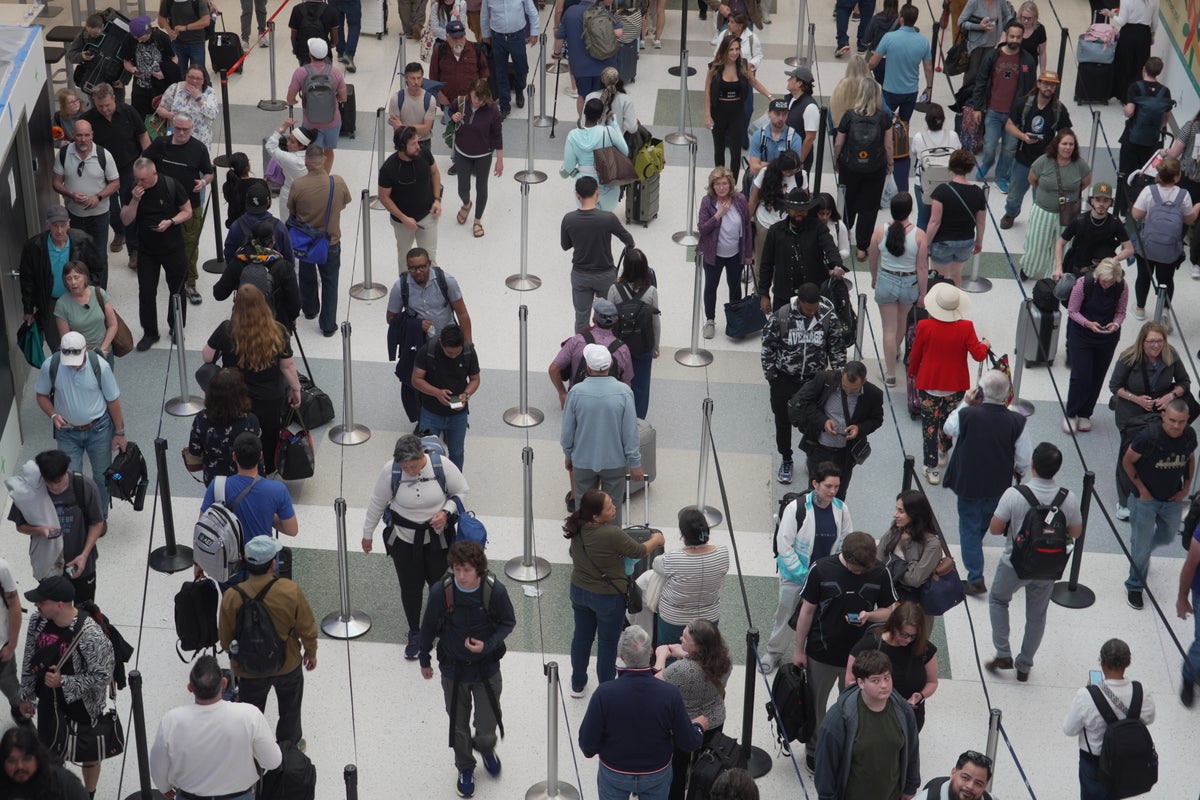
People always ask: "When will TSA lines get shorter?"
They are asking the wrong question. The real question is: "Why are we still pretending that the current checkpoint model is effective?"
The "budget crisis" is often used as a convenient excuse to avoid discussing the 95% failure rate in undercover tests conducted by the Office of the Inspector General. We are told we need more funding for more bodies to stand by more belts. This is throwing good money after bad.
True efficiency in travel comes from decentralized, risk-based screening, not a monolithic federal agency that treats a grandmother from Des Moines and a high-risk person of interest with the same level of invasive scrutiny. The "disruptions" the media warns about are actually just the natural byproduct of a centralized bottleneck. A budget deal just funds the bottleneck for another six months.
Why Your Flight is Actually Delayed
If you want to find the real culprit for airport chaos, look at the FAA’s aging technology, not the DHS budget standoff.
While senators argue over line items in a massive spending bill, the actual "pipes" of our airspace—the NextGen modernization program—have been lagging for years. We are still using ground-based radar and voice communications in an era of satellite precision and automated data links.
- Scenario: Imagine a world where flight paths are optimized by AI in real-time to account for weather, rather than being stuck in rigid "highways in the sky."
- The Reality: We can’t get there because our regulatory framework is designed to prevent change, not manage it.
The budget standoff is a convenient scapegoat for airlines, too. When a carrier experiences a massive technical "glitch" or a scheduling meltdown, they love it when the news is dominated by "Government Chaos." It shifts the heat away from their own aging IT stacks and predatory over-scheduling.
The Cost of the "Deal"
Every time Congress "saves" the day with a last-minute deal, they bake in more bloat.
These deals are rarely clean. They are stuffed with pork, legacy contracts for outdated screening hardware, and "emergency" measures that become permanent fixtures of the travel experience. We trade long-term structural reform for a short-term sense of relief.
We are told that the "landscape" of national security requires this massive, unchecked spending. (I apologize, I almost used a banned word there—let’s say the environment of security). In reality, the most significant improvements in travel safety have come from data sharing and intelligence, not from the number of blue shirts standing at a podium in O’Hare.
Stop Waiting for Washington to Fix Travel
If you are waiting for a Homeland Security budget deal to make your commute to London or Los Angeles better, you are delusional.
The disruption is the point.
Chaos creates the demand for "solutions" that always involve more government control and more taxpayer money. If the system worked perfectly, there would be no reason to "chase a deal" or hold dramatic press conferences on the Capitol steps.
The only way to actually fix the airport experience is to move toward a privatized, competitive security model—similar to what is seen in parts of Europe and Asia—where airports have a financial incentive to get you to your gate quickly. But you won't hear that from a senator. There’s no political capital in efficiency; there’s only capital in "crisis management."
The next time you see a headline about a budget standoff causing airport delays, ignore it. Your flight was going to be delayed anyway. Your bag was already going to be lost. The TSA line was already going to be a mile long.
Congress isn't fighting to save your vacation. They are fighting to keep the machine running exactly the way it is: broken, expensive, and entirely under their thumb.
Pack light. Expect nothing. The theater must go on.
Stop looking at the budget. Look at the exit sign.