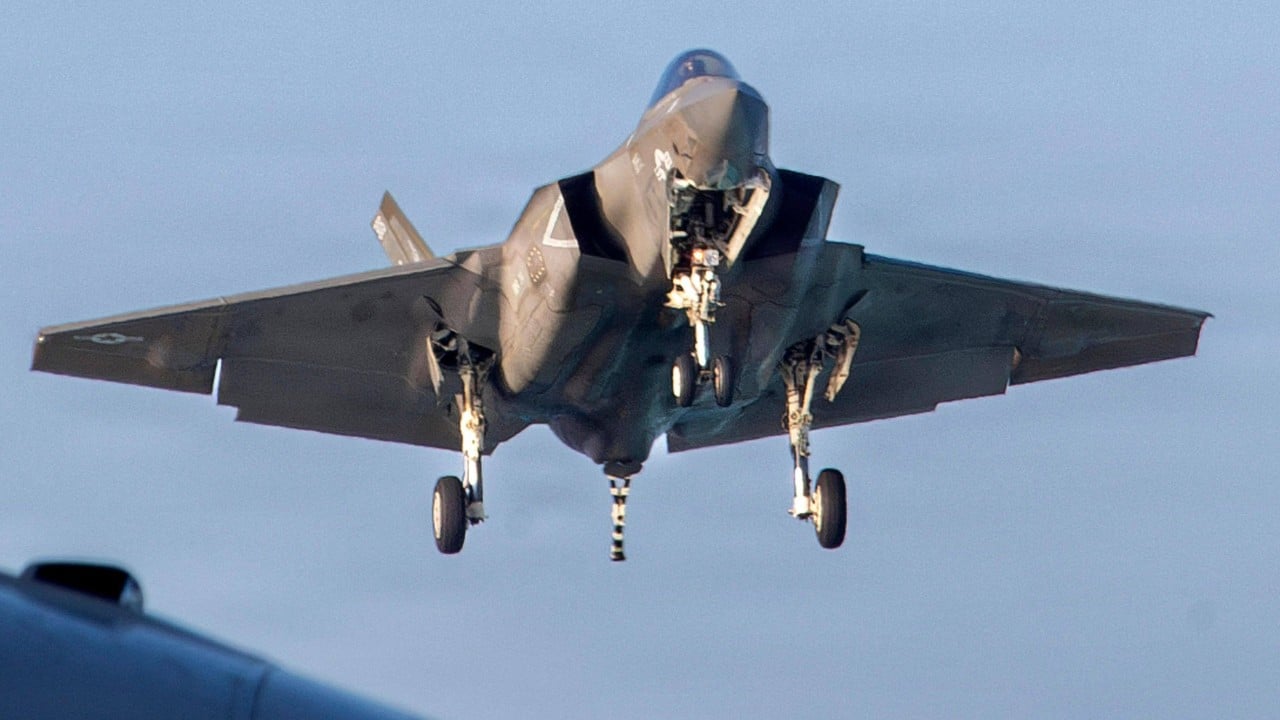
The chattering classes are terrified. Turn on any financial news network or read the "expert" columns, and you’ll hear the same tired refrain: Sri Lanka is committing economic suicide by telling Washington to park its fighter jets elsewhere. They claim that by refusing to be a refueling station for a potential conflict with Iran, Colombo is inviting a trade backlash that will bury its fragile recovery.
They are wrong. They are looking at a 1990s geopolitical map while the world is playing a 2026 game of multi-polar chess.
Refusing to host US warplanes isn't a snub born of ideological defiance; it is a calculated, cold-blooded move to protect the nation's balance sheet. The "lazy consensus" assumes that US trade preference programs (GSP) and Western debt restructuring are the only levers that matter. That view is obsolete. In the current global climate, the cost of saying "yes" to a foreign military footprint far outweighs the hypothetical risk of a trade slap on the wrist.
The Myth of the Trade Backlash
Let’s dismantle the biggest lie first: that the US will pivot to aggressive trade sanctions because its planes didn't get landing rights at Bandaranaike International.
Washington needs Sri Lanka far more than it wants to punish it. The Indian Ocean is the most contested body of water on the planet. If the US starts pulling trade levers to "punish" Colombo, they don't just hurt the Sri Lankan textile industry. They hand the entire keys to the island over to Beijing on a silver platter.
I’ve spent years watching emerging markets navigate these waters. When a superpower threatens your trade over a military refusal, they lose their soft power. The US State Department knows this. They won't risk pushing Sri Lanka into a permanent, exclusive security embrace with China just to make a point about runway access. The "backlash" is a ghost story told by analysts who don't understand that leverage has shifted.
The Hidden Cost of "Yes"
Now, consider the actual economic disaster that would follow a "yes."
If Sri Lanka becomes a forward operating base for strikes against Iran, it immediately paints a target on its own critical infrastructure. We aren't just talking about kinetic strikes. We are talking about cyber warfare, the disruption of shipping lanes, and the immediate skyrocketing of insurance premiums for every vessel entering the Port of Colombo.
The math is simple:
- Insurance Spikes: As soon as a nation is deemed a "cobelligerent" or a military hub, Lloyds of London and other insurers reclassify the zone. War risk premiums would wipe out the profit margins of Sri Lankan exports faster than any tariff ever could.
- Tourism Collapse: Sri Lanka’s recovery is built on the backs of travelers seeking a tropical escape. You don't book a honeymoon to a place that is currently launching sorties for a Middle Eastern war.
- Energy Volatility: Iran remains a massive player in the global energy equilibrium. For a country like Sri Lanka, which is still clawing its way out of an energy crisis, picking a side in an Iranian conflict is a fast track to $5/liter fuel and rolling blackouts.
Neutrality is a Premium Asset
In the 21st century, neutrality is not passive. It is an active, marketable asset. By maintaining a strict "friends to all, enemy to none" policy, Sri Lanka preserves its ability to negotiate with the IMF, the Export-Import Bank of China, and the Adani Group simultaneously.
The moment you host warplanes, you lose your "Non-Aligned" status. You become a proxy. And proxies don't get to negotiate; they get told what to do.
Look at the data from the last decade of South Asian diplomacy. Nations that have tried to play the "military base for cash" game—like certain players in the Horn of Africa—have seen their domestic stability erode while the promised "trade booms" never materialized. The money stays in the pockets of the military elites, while the local manufacturing base gets gutted by the resulting instability.
Addressing the "People Also Ask" Nonsense
You’ll see people asking, "Won't this hurt Sri Lanka's IMF deal?"
No. The IMF is a technocratic institution focused on debt sustainability and fiscal reform. While the US has significant voting power, the IMF’s primary goal is to prevent a total systemic collapse that would ripple through emerging markets. They aren't going to tank a multi-billion dollar restructuring program because of a disagreement over air rights. To suggest otherwise is to fundamentally misunderstand how the Bretton Woods institutions actually function in a crisis.
Another common question: "Is Sri Lanka moving into China's orbit?"
This is the wrong question. Sri Lanka is moving into Sri Lanka's orbit. The goal is to create a competitive environment where both the US and China have to outbid each other for influence. Hosting US planes ends the bidding war. It gives the US what it wants for free, while giving China a reason to stop investing. Keeping the planes out keeps the competition alive.
The Strategic Reality of Modern Warfare
The nature of the conflict being discussed—a potential war with Iran—is fundamentally different from the Gulf War or even the invasion of Iraq. We are in an era of asymmetric drone warfare and long-range ballistic precision.
If Sri Lanka allows US planes to operate from its soil, it enters the range of influence of regional actors it has no business antagonizing. The "nuance" the competitors missed is that Sri Lanka is finally acting like a sovereign state that values its long-term stability over short-term geopolitical approval.
The Downside No One Mentions
Is there a risk? Of course. The risk is that the US might "slow-walk" certain bilateral aid packages or be less "helpful" during the next round of WTO negotiations. But compare that to the risk of being the primary target for a regional power's retaliation. It’s not even a contest.
I've seen nations trade their sovereignty for "security partnerships" only to find themselves broke and under siege five years later. Sri Lanka is breaking that cycle. They are realizing that their geography is their greatest strength—but only if they refuse to sell it to the highest bidder for use as a weapon.
Stop listening to the "trade backlash" alarmists. They are paid to maintain the status quo where small nations serve as convenient stationary aircraft carriers for larger ones. Sri Lanka just proved it isn't a parking lot. That is the smartest business decision they’ve made in forty years.
Don't buy the fear. Buy the sovereignty.
Get used to it. The era of the "unquestioning ally" is dead, and the era of the strategic holdout has begun. If you want to use the runway, pay for it in trade concessions first—and even then, the answer should probably be no.
The planes can find another place to land. Sri Lanka has a country to run.