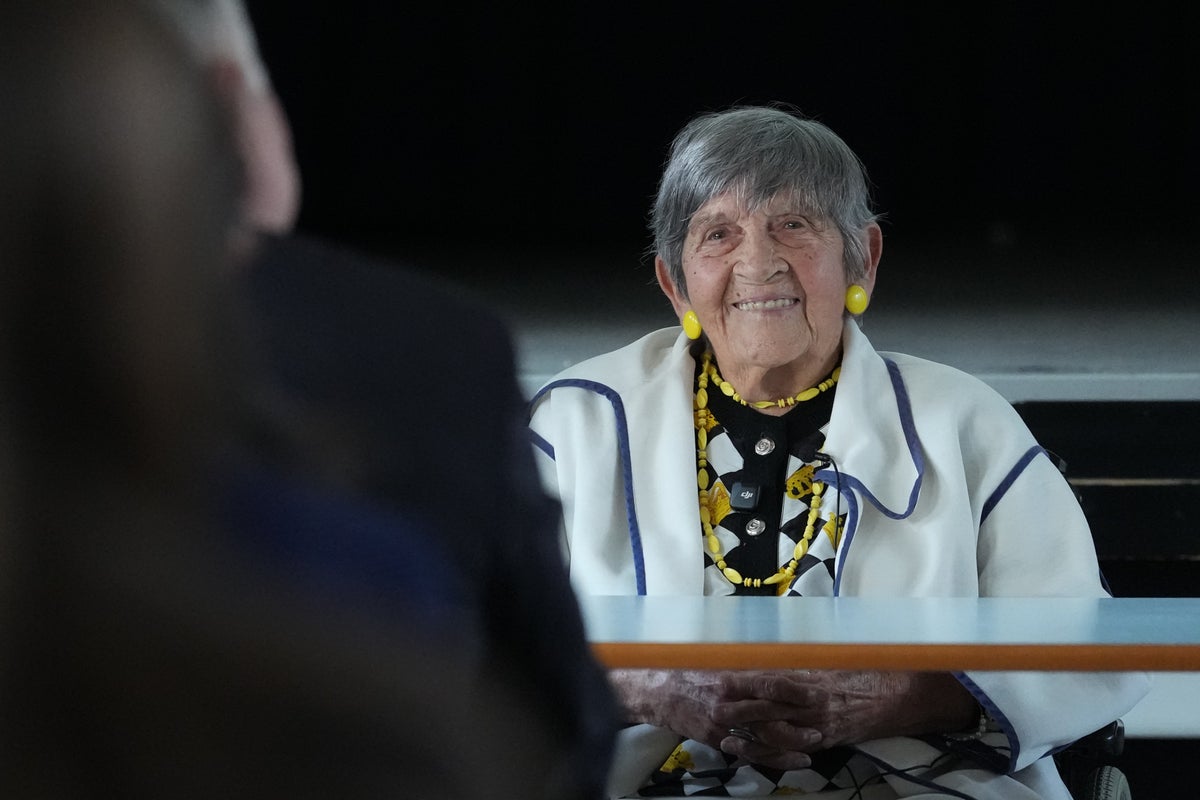
Hollywood loves a survivor. It loves the arc of the broken human who, through the magic of a lens and a swelling John Williams score, transforms their agony into a "message of hope." We’ve seen it with Schindler’s List. We’ve seen it with the Shoah Foundation. Most recently, we’ve seen it in the narrative surrounding Steven Spielberg’s relationship with Auschwitz survivors—specifically the idea that he "helped" them become warriors against hate.
It’s a neat, comforting story. It’s also a lie that ignores the brutal reality of how trauma functions and how the entertainment industry commodifies human suffering.
We are told that by documenting the horrors of the Holocaust, Spielberg and his peers are building a bulwark against future atrocities. The "Never Again" mantra is treated as a psychological byproduct of high-definition video testimony. But look at the world around you. If high-production-value empathy actually worked, the 21st century wouldn't be sliding back into the same tribal bloodlust we claimed to have outgrown in 1945.
The problem isn't a lack of stories. The problem is the way we tell them.
The Myth of the Cinematic Cure
The standard narrative suggests that giving a survivor a platform is an act of healing. We see the veteran or the survivor sitting in a chair, framed by soft lighting, recounting the worst moments of their lives. We call this "giving them a voice."
In reality, we are often asking them to perform their trauma for our own moral ego. I’ve seen this play out in dozens of "impact" documentaries. The director wants the tear. The audience wants the catharsis. The survivor is left to live in the wreckage of those memories long after the film crew packs up their lights and heads to the after-party.
Psychologically, the "warrior against hate" trope is a burden, not a gift. To turn a survivor into a full-time activist is to deny them the right to be a private, healing human being. We demand they become symbols. We strip away their messiness—the anger, the bitterness, the occasional nihilism—and replace it with a sanitized, "inspiring" version that fits a 90-minute runtime.
The Shoah Foundation and the Archival Trap
Spielberg’s Shoah Foundation has collected over 55,000 testimonies. It is a massive, expensive undertaking. It is also an archive that treats data as a substitute for action.
There is a fundamental misunderstanding in the industry that awareness equals prevention. It doesn’t. Cognitive science tells us that the more we are exposed to graphic imagery of suffering, the more we become desensitized. This is the "Compassion Fade" phenomenon. When you show a person one face of suffering, they feel. When you show them 55,000, they check out.
By turning the Holocaust into a digital library, we’ve created a situation where we feel we’ve "done the work" just by clicking "play." We’ve outsourced our morality to a database.
The "bystander effect" doesn't just happen in the streets; it happens in the theater. When we watch a survivor's testimony mediated through the lens of a billionaire director, we are positioned as passive observers. We are relieved of the duty to act because the film has already provided the emotional resolution for us. We cry, we feel "enlightened," and then we go to dinner.
Entertainment is the Wrong Tool for Justice
Let’s be blunt: Steven Spielberg is a master of manipulation. That’s his job. He knows where to put the camera to make you sob. He knows how to use shadows to evoke dread. When he applies those techniques to the Holocaust, he isn't just documenting history; he is Hollywoodizing it.
The danger of Hollywoodizing the Shoah is that it creates a narrative where there are clear villains and clear heroes. But history is rarely that tidy. Most of the people who allowed the camps to function weren't cackling SS officers. They were the "grey zone" bureaucrats, the neighbors who looked away, the people who were just "doing their jobs."
Cinema struggles with the banality of evil because banality doesn't sell tickets. Conflict does. Tears do.
By framing survivors as "warriors," we create a superhero narrative that distances the audience from the reality of the victim. A warrior is strong. A warrior is capable. A victim is human, fragile, and often completely destroyed by what happened to them. When we demand that survivors be warriors, we are essentially saying: "Your pain is only valuable to us if you can weaponize it into something productive."
The Industry’s Fake Empathy
If the goal of these films and foundations was truly to "end hate," we would see a shift in how the industry operates. Instead, we see the same studios that fund these "tolerance" projects turning around and profiting from algorithms that prioritize outrage and division.
They sell you the poison during the day and the antidote at the Oscars.
I’ve sat in rooms with producers who talk about "impact ROI." They aren't looking to change hearts; they are looking to win awards and secure legacy status. To them, a survivor’s story is "content." It’s "prestige IP."
This isn't to say that Spielberg’s intentions aren't good. They likely are. But good intentions are the fuel for the most effective forms of propaganda. By turning the most horrific event in modern history into a polished cinematic experience, he has inadvertently made it easier for people to consume it as fiction.
The Survivor’s Right to Silence
There is a radical alternative that Hollywood refuses to acknowledge: The right to move on.
We have built a culture that insists on the "therapeutic" value of "sharing your story." For many survivors, this is a recurring nightmare. Every time they are trotted out for a gala or a documentary, they are forced to re-inhabit their twenty-year-old selves in a cattle car.
What if we stopped asking them to be warriors? What if we stopped expecting them to save us from our own worst impulses?
The burden of preventing the next genocide shouldn't fall on the shoulders of those who barely survived the last one. It falls on us. But as long as we have the comfortable, cinematic buffer of the "Spielberg Hero," we can pretend that the work is being done by someone else.
Stop Watching, Start Witnessing
We need to stop treating survivor testimonies as "educational content."
If you want to understand the mechanics of hate, don't look at a polished documentary. Look at your own social media feed. Look at how you talk about people who disagree with you politically. Look at how easily you can be convinced that a certain group of people is "the problem."
The Holocaust didn't start with gas chambers. It started with words. It started with the very same rhetoric that is currently being optimized for engagement by the companies that claim to support "anti-hate" initiatives.
The "Warrior against hate" narrative is a distraction. It's a shiny object designed to make us feel like we’re part of a grand moral struggle without ever requiring us to change our behavior.
The industry will keep churning out these stories. They will keep winning awards. They will keep telling you that "storytelling is the most powerful tool for change."
They are wrong. Policy is a tool for change. Education is a tool for change. Accountability is a tool for change. Storytelling is a tool for feeling.
And feeling is not the same thing as doing.
Stop looking for the "warrior" in the survivor. Start looking for the collaborator in yourself. That is the only way to actually stop the cycle. But you won't see that on a movie poster. It doesn't make for a good trailer. It just makes for a better world.
If you're waiting for a director to show you how to be a "warrior against hate," you've already lost the battle. You’re just another member of the audience, waiting for the credits to roll so you can feel like a good person without having to do a single difficult thing.
History isn't a movie. There is no guaranteed happy ending. There is only the uncomfortable, un-cinematic work of being a decent human being when no one is filming.
Put down the popcorn. The cameras were never the solution.