The familiar roar of Israeli jets over South Lebanon hasn't sounded this ominous in years. On Saturday, March 28, 2026, the Israel Defense Forces (IDF) ramped up a campaign that’s no longer just about "containing" Hezbollah. We’re seeing a systematic dismantling of border villages and a push toward the Litani River that looks less like a temporary raid and more like a permanent redrawing of the map.
If you’ve been following the headlines, you know the basics. Israel strikes towns. Hezbollah fires back. People flee. But if you look closer at the specific targets—Shaqra, Kfar, Majdal Selm, and the Western Bekaa Valley—you’ll see a shift in strategy that most mainstream outlets are glossing over. This isn't just "exchange of fire." It's a high-stakes play to create a 20-mile buffer zone that essentially erases the presence of South Lebanon's civilian infrastructure.
The Reality on the Ground in South Lebanon
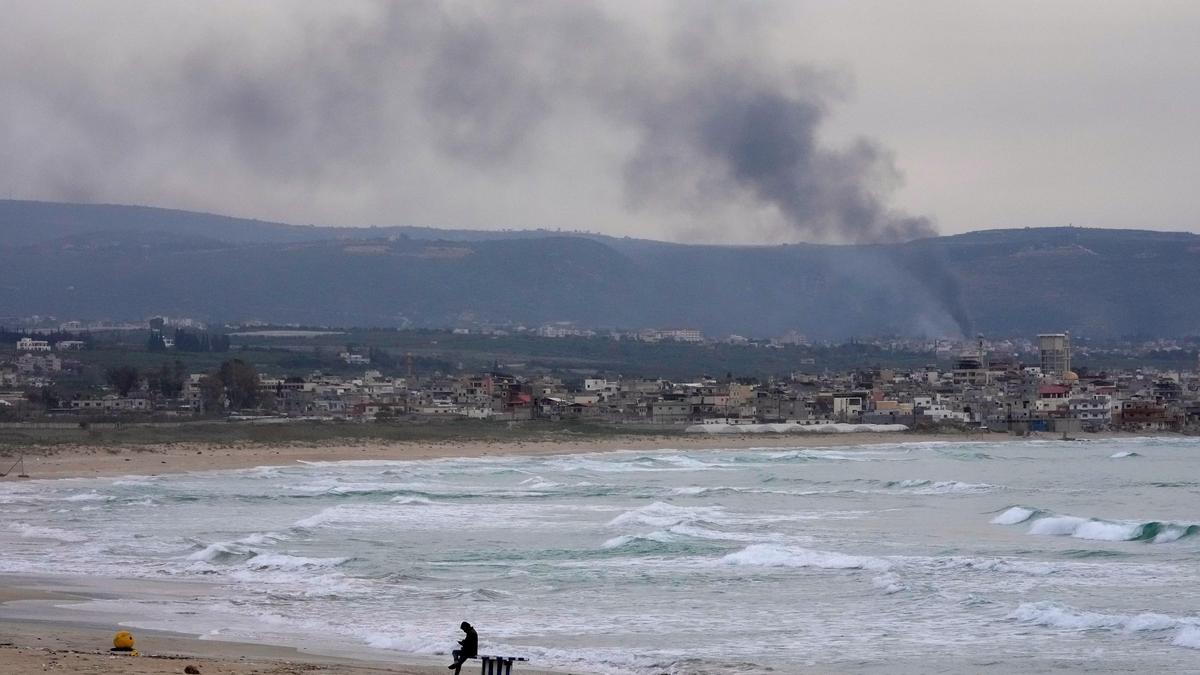
I've seen these cycles before, but the intensity of the dawn strikes on Saturday felt different. Israeli fighter jets leveled homes in Shaqra and Ainata with a precision that suggests they aren't just hitting rocket launchers; they're clearing out any structure that could provide cover.
- Casualty counts are climbing: The Lebanese Ministry of Public Health reports that since this specific escalation ignited on March 2, the death toll has surged past 1,142.
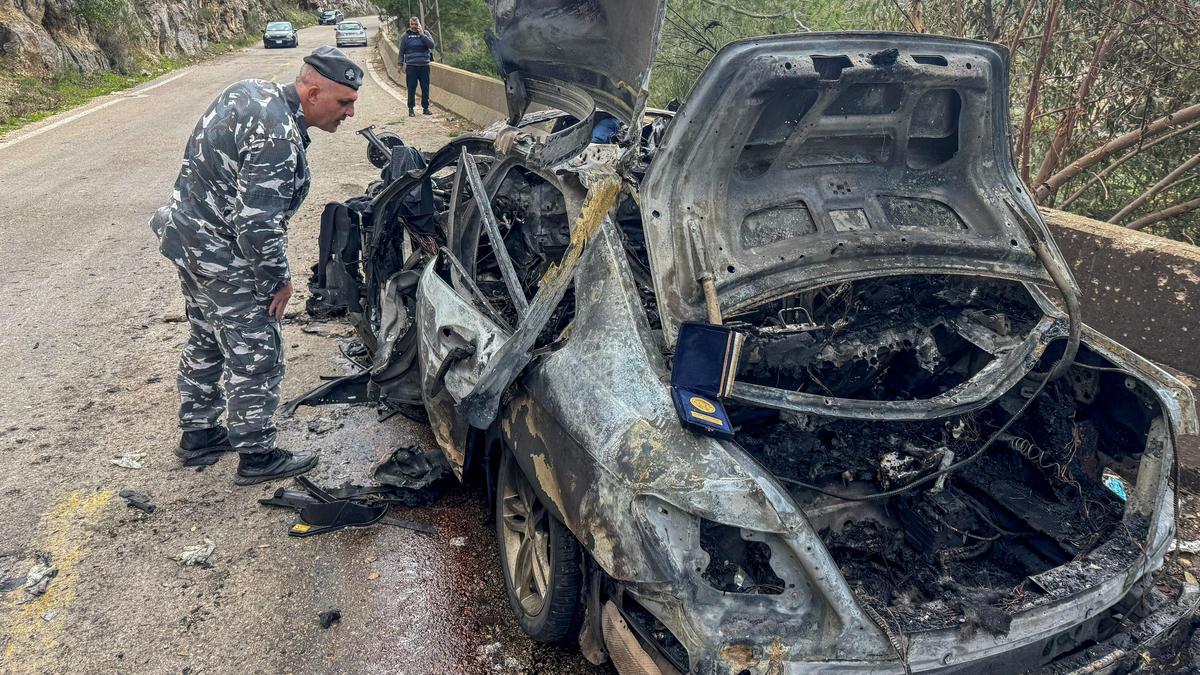
- Medical workers are in the crosshairs: Just today, paramedics were killed in the Nabatieh district. An ambulance in Kfartabnit was reportedly targeted, bringing the total number of dead emergency responders to 42 in less than a month.
- Displacement is at a breaking point: Nearly 1 million people—roughly 20% of Lebanon's entire population—are now displaced. You have families sleeping on the sidewalks of Beirut because the 660 collective shelters are packed to the rafters.
Why the Litani River Is the New Red Line
The IDF isn't hiding its goal anymore. They’re pushing toward the Litani River. While the 2006 UN Resolution 1701 was supposed to keep Hezbollah north of that river, that deal has been a ghost for years. Now, Israel is using a "Gaza-style" approach to establish what they call a "forward defensive line."
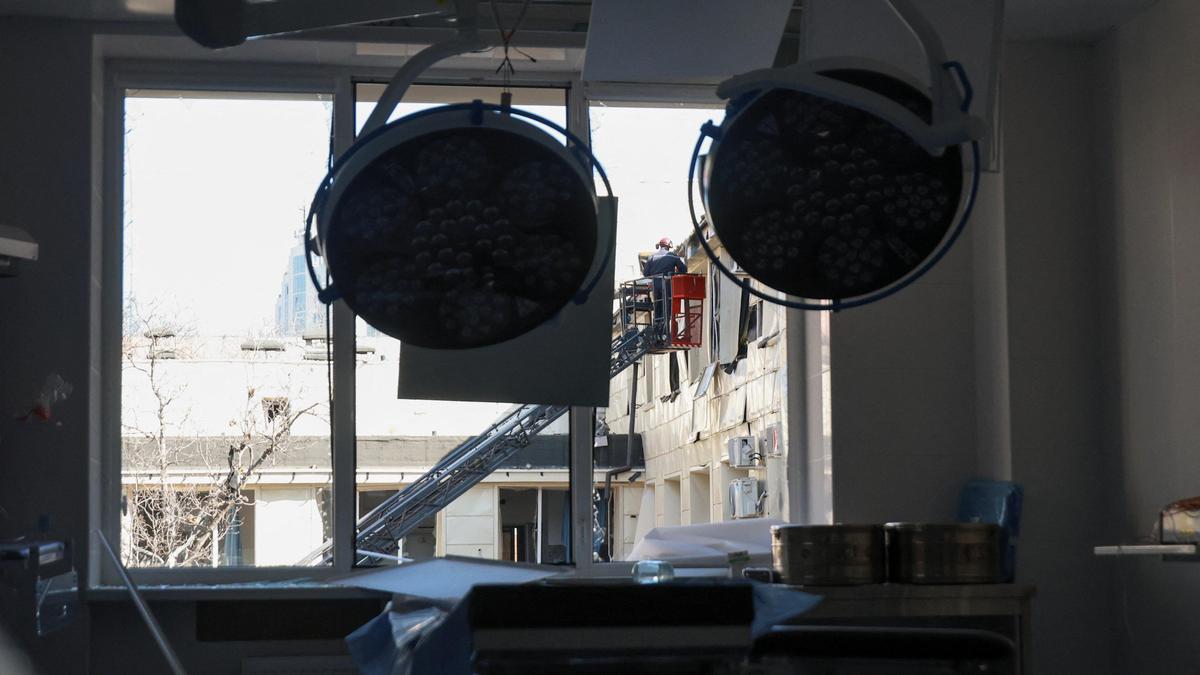
Basically, they're trying to carve out a security zone that covers about 10% of Lebanese territory. By systematically targeting bridges, water systems, and even health facilities in towns like Khiam and Taybeh, they aren't just fighting a militia—they're making the south uninhabitable for anyone. It's a tactic designed to create "facts on the ground" that no future ceasefire can easily undo.
Hezbollah isn't just sitting back, though. They’ve adopted a "melt and strike" guerrilla strategy. Instead of trying to hold a traditional defensive line against Israeli Merkava tanks, they’re operating in small, mobile cells. They’re using Almas anti-tank weapons—which are essentially reverse-engineered versions of Israel's own Spike missiles—to hit armor and then vanish into the hilly terrain they've mapped for decades.
The Humanitarian Crisis Nobody Is Solving
It’s easy to get lost in the military jargon, but the human cost is staggering. When I look at the reports from UNHCR and the ICRC, the picture is bleak. Entire districts are isolated because the bridges have been blown to bits. Over 150,000 people are currently trapped in areas where humanitarian aid can't reach them.
The Western Bekaa Valley also got hammered on Saturday. Intense raids struck Labaya and the outskirts of Yahmar. This isn't just about the border anymore; the "combat zone" has widened significantly, pulling in areas that were previously considered relatively safe.
Don't buy the narrative that this is a contained conflict. The assassination of Iranian Supreme Leader Ali Khamenei on February 28 changed the math. Hezbollah’s restart of full-scale hostilities on March 2 was a direct response, and Israel’s "Security Zone" plan is the counter-move. We’re watching a regional war play out on a local stage.
What You Should Keep an Eye On
If you’re trying to figure out where this goes next, stop looking at the diplomatic statements and start looking at the logistics.
- Watch the ground maneuver: If the IDF manages to establish those 18 planned military positions inside Lebanese territory, the occupation becomes a long-term reality, not a short-term operation.
- Monitor the medical strikes: When hospitals and ambulances become frequent targets, it’s a sign that the "rules of engagement" have been completely tossed out.
- Check the Litani advance: If Israeli tanks cross the Litani in force, any hope of a return to the pre-2026 status quo is officially dead.
The Lebanese government is in a bind. They’ve condemned Hezbollah for starting this round without state permission, but the Lebanese Armed Forces (LAF) don't have the muscle to stop either side. You’re looking at a country whose sovereignty is being eroded from the inside by a militia and from the outside by an invading army.
It’s a mess with no clean exit strategy. If you have family in the region or are monitoring for business, the next 72 hours of movement toward the Litani will tell you everything you need to know about how long this war is going to last. It’s not looking like a short one.
Stay updated by following live feeds from the National News Agency (NNA) in Lebanon or the IDF’s official announcements, but always cross-reference with independent NGOs like ACAPS for the real humanitarian data.