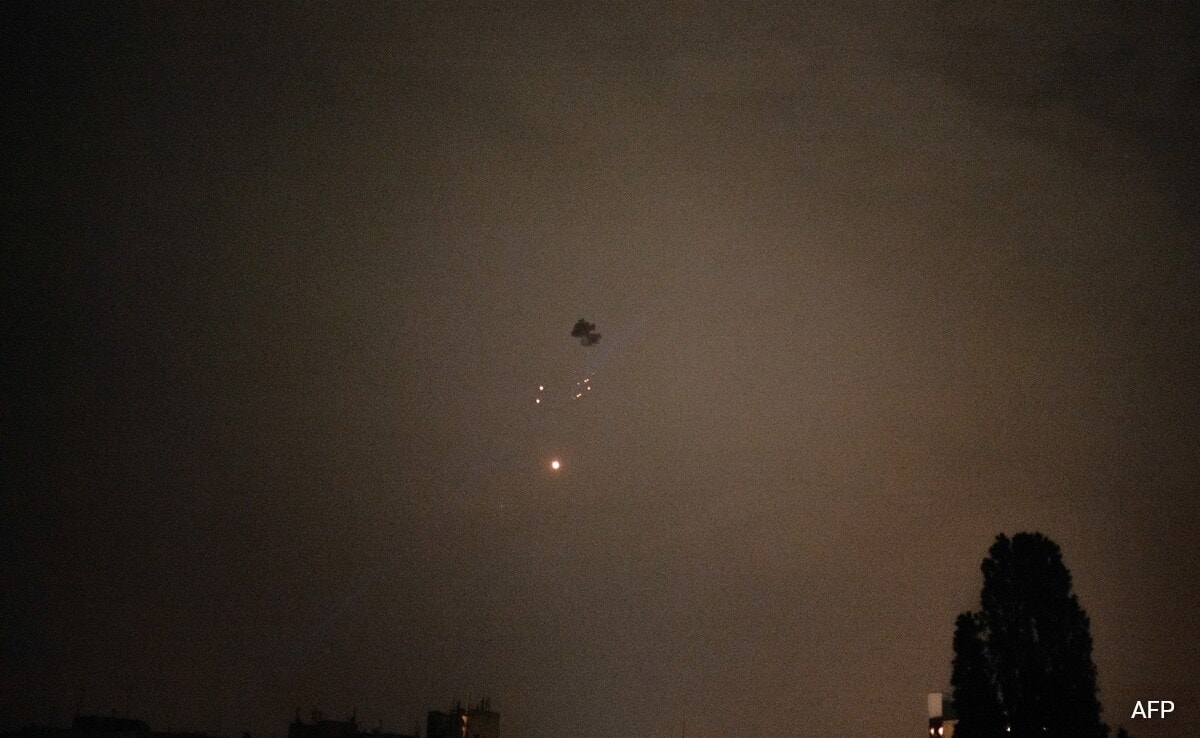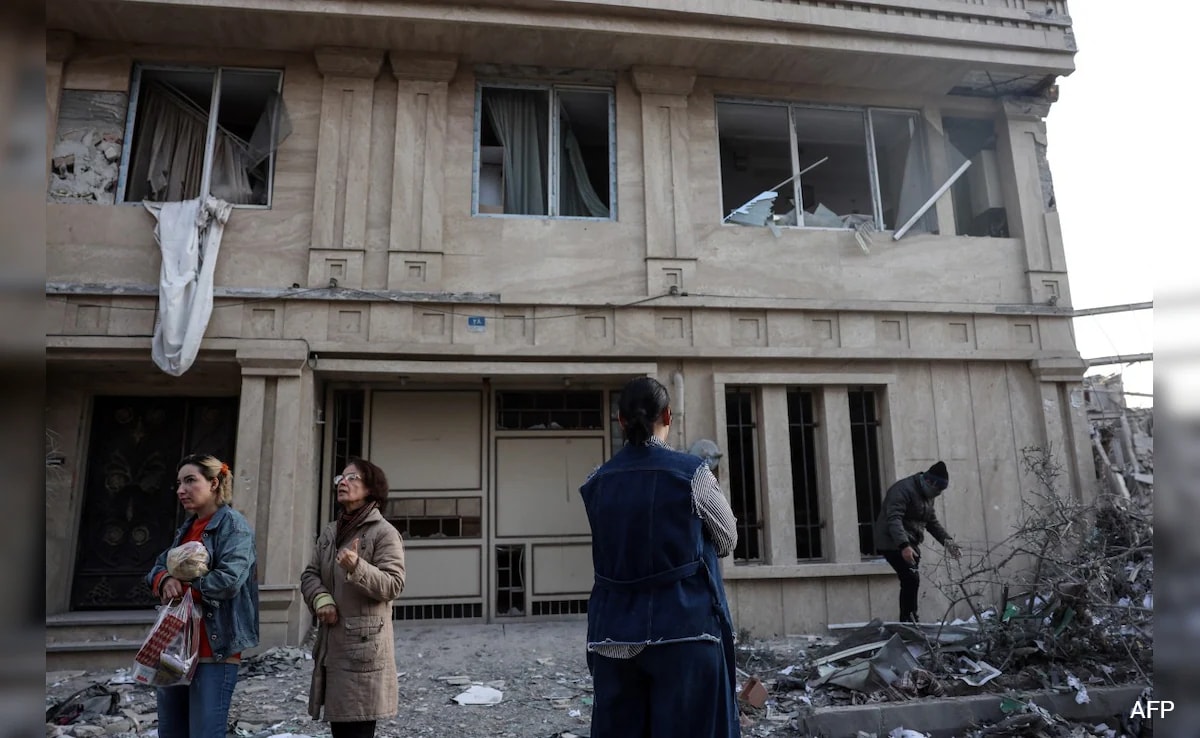
The coffee in the paper cup was getting cold, but the man holding it didn't seem to notice. He stood on a corner in Midtown, the neon hum of Times Square vibrating against the soles of his shoes, eyes fixed on a glowing news ticker scrolling across a giant screen. Reports were flashing of fire in the sky over Iran. US-Israel strikes. Kinetic action. Strategic degradation.
The words used by military analysts are often designed to be bloodless. They describe missiles as "assets" and explosions as "events." But for the people watching the ticker, the words were heavy. They weren't just headlines; they were a tectonic shift in the ground beneath their feet.
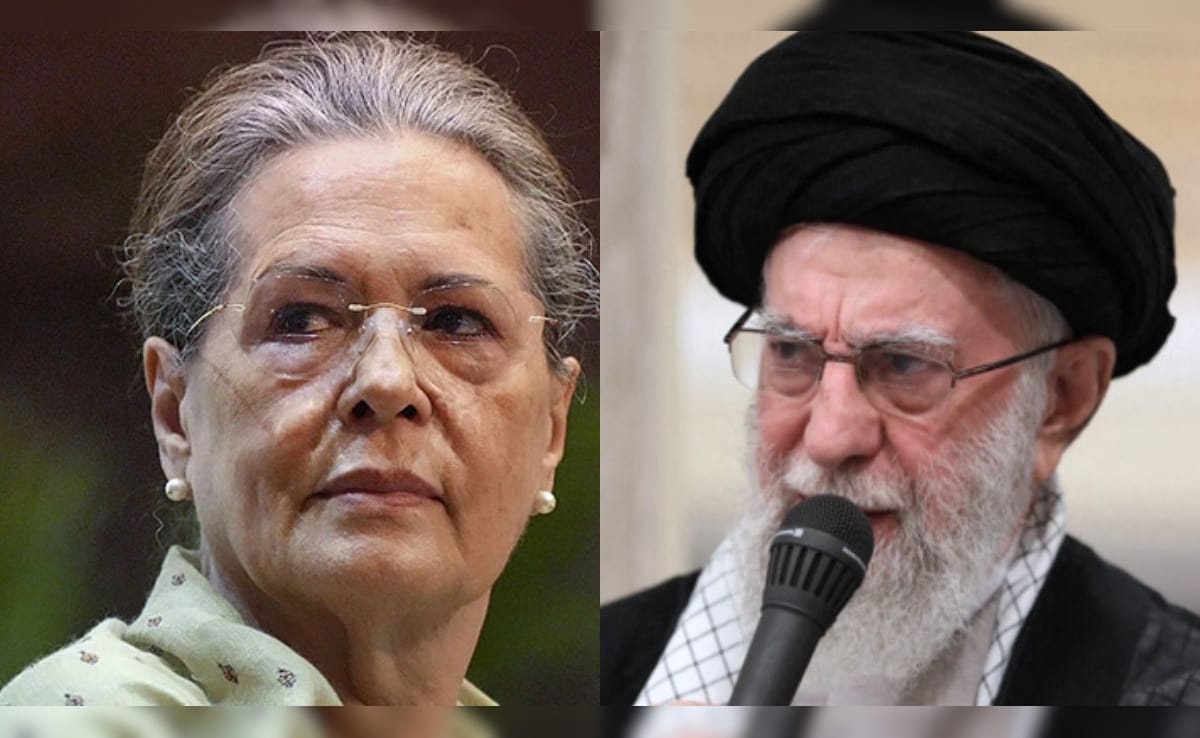
Mahmood Mamdani, a man who has spent a lifetime dissecting the anatomy of power and the scars of colonialism, didn't use the sanitized language of the Pentagon when he spoke out against the strikes. He saw something much more visceral. To Mamdani, this wasn't a surgical procedure to ensure global stability. It was a jagged tear in the fabric of international law, a move that he argued would not bring peace, but rather entrench a cycle of resentment that spans generations.
The Architect and the Aftershock
Mamdani’s critique isn't born from a vacuum. It comes from a place of deep historical memory. When he "slams" these strikes, he isn't just complaining about a news cycle; he is pointing to a recurring pattern where Western intervention treats the Middle East like a chessboard rather than a neighborhood.
Imagine a house where the neighbors are constantly arguing. One neighbor decides the only way to keep the peace is to throw a brick through the other’s window every time they raise their voice. In the short term, the shouting might stop because of the shock. But what happens when the sun goes down? The neighbor with the broken window isn't thinking about peace. They are thinking about where to find a bigger brick.
Mamdani argues that by bypassing the slow, agonizing work of diplomacy in favor of high-altitude explosives, the US and Israel aren't making the world safer. They are simply making it more volatile. He views these strikes as a failure of imagination—an admission that we have forgotten how to talk, so we have decided only to hit.
The View from the 7 Train
A few miles away from the ivory towers where scholars like Mamdani debate theory, the reality of the strikes hit the pavement of Queens. New York City is a city of ghosts and survivors. Everyone here is from somewhere else, and many of those "somewhere elses" are currently on fire.
In a small deli in Sunnyside, a woman named Sarah—let’s call her that, though her name changes in every neighborhood across the five boroughs—waited for her sandwich. She didn't agree with the professors. When she saw the news of the strikes, she felt a grim sense of relief.
"You don't understand," she said, her voice low. "I have family who can't speak their minds in Tehran. I have friends in Tel Aviv who spend their nights in bomb shelters. If these strikes stop the drones from flying, if they break the tools of a government that wants to wipe people off the map, then the world is safer. It has to be."
For Sarah, the safety wasn't theoretical. It was a calculation of survival. To her, the "invisible stakes" Mamdani spoke of were very visible. They were the faces of her cousins. They were the fear that a wider war would swallow the only home she had left. In her eyes, the strikes weren't an act of aggression, but a desperate, necessary shield.
The Friction of Safety
This is the central tension that defines our era. How do we define "safety"?
Is safety the absence of immediate threat, achieved through the overwhelming use of force? Or is safety the presence of a long-term stability that can only be built through the grueling, unglamorous work of international cooperation?
The New Yorkers who cheered the strikes weren't doing so because they loved war. They were doing so because they were tired of the shadow of a nuclear-capable Iran hanging over the world. They saw the strikes as a way to "reset" a clock that had been ticking toward midnight for years. They believed in the concept of deterrence—the idea that if you hit hard enough, the other side will think twice before hitting back.
But Mamdani warns that deterrence is a ghost. It is a psychological trick that usually fails because it ignores human emotion. When a nation is humiliated on the world stage, its leaders don't usually sit down and reflect on their mistakes. They double down. They seek out new alliances. They move their operations deeper underground.
The Cost of the Invisible
There is a cost to these strikes that doesn't show up in the budget reports. It’s the cost of the "precedent."
When the world’s most powerful military powers decide that they can strike a sovereign nation without a declaration of war or a clear mandate from the United Nations, the rules of the game change for everyone. It signals to every other middle-power nation that the only way to be truly safe is to be too dangerous to touch.
This leads to a frantic, quiet arms race. It leads to the erosion of the very institutions—like the UN—that were built after the last great global catastrophe to ensure that "never again" actually meant something.
Consider a hypothetical student in a university in Cairo or Istanbul. They see the strikes on the news. They don't see "strategic assets" being destroyed. They see a double standard. They see a world where some borders are sacred and others are suggestions. That student's disillusionment is a seed. In ten years, that seed might grow into a political movement, or something far more radical. That is the invisible stake Mamdani is trying to get us to see.
A City of Contradictions
Walking through New York, you see the contradictions everywhere. You see the "No War" posters pasted over "Bring Them Home" flyers. You see people from the same street who would give each other the shirts off their backs, yet they stand on opposite sides of a geopolitical chasm that feels wider than the Atlantic.
The strikes didn't just happen in the airspace over the Middle East. They happened in the hearts of the diaspora.
Every explosion in Isfahan or Shiraz vibrates through the community centers in Brooklyn and the mosques in Paterson. The "safety" that some New Yorkers feel is balanced exactly by the "dread" felt by others. It is a zero-sum game of emotional security.
The truth is that we are all living in a house with thin walls. What happens in a bunker thousands of miles away affects the price of gas at the corner station, the tone of the conversation at the dinner table, and the sense of hope we have for the future.
The Silence After the Siren
The news ticker eventually moved on to weather and sports. The man with the cold coffee finally threw his cup away and disappeared into the subway. The city kept moving, as it always does, fueled by a relentless, collective amnesia that allows us to function in the face of chaos.
Mamdani’s critique lingers because it asks us to look past the immediate satisfaction of a successful military strike. It asks us to look at the wreckage—not just the twisted metal of a radar installation, but the twisted logic of a world that has decided violence is the only effective form of communication.
There is a certain kind of silence that follows a massive explosion. It is a heavy, ringing quiet. In that silence, the people in the crosshairs and the people watching from afar are all waiting for the same thing. They are waiting to see if the world is actually safer, or if we have simply cleared the stage for a much larger tragedy.
We want to believe that the experts have it figured out. We want to believe that the strikes were precise, that the casualties were "minimized," and that the threat has been neutralized. We want to sleep soundly in our beds, convinced that the "bad actors" have been deterred.
But as the sun rose over a scarred landscape half a world away, the only certainty was that the cycle had turned once more. The bricks had been thrown. The windows were broken. And in the dark, everyone was reaching for something to hold onto, hoping that the next sound they heard wouldn't be the glass shattering in their own home.