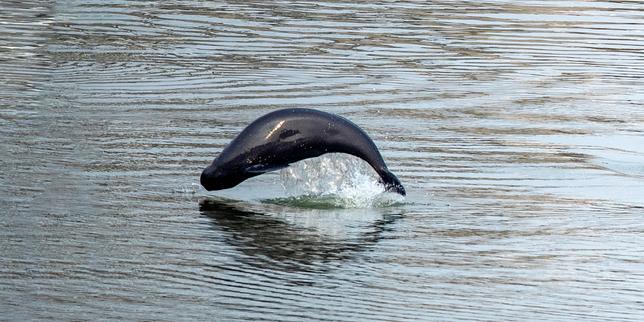
Old Chen remembers the sound. It wasn’t a splash or a roar, but a soft, rhythmic huff—the sound of a lung breathing in the middle of a highway of silt. Decades ago, when the Yangtze River was still a chaotic, unchecked artery of commerce and myth, the finless porpoise was a constant companion to the fishermen of Hubei. They called it the "river pig" not out of disrespect, but because of its portly, smiling face and its predictable presence.
Then, the river went quiet.
For a long time, the only things multiplying in the Yangtze were the propellers of massive cargo ships and the chemical runoff from a thousand factories. The water turned a bruised, opaque gray. The "smiling" porpoise, a creature of high intelligence and social complexity, began to starve. By 2017, there were barely 1,000 of them left. They were ghosts in their own home, dodging the hooks of illegal "electrofishing" gear that sent lethal currents through the water, turning the river into a graveyard.
The death of a species is rarely a sudden explosion. It is a slow, agonizing subtraction.
The Day the Engines Stopped
In 2020, the Chinese government did something that felt, at the time, like an impossible overreach. They didn't just regulate the river; they emptied it. A ten-year total fishing ban was imposed across the entire length of the Yangtze, including its major tributaries and lakes.
Consider the scale of that decision. This isn't a small lake in the countryside. The Yangtze stretches over 6,300 kilometers. It is the lifeblood of a nation. For generations, the river provided more than just food; it provided an identity. Suddenly, 230,000 fishermen were told their way of life was over. Their boats were hauled onto the banks. Their nets were burned or recycled.
The human cost was immediate. Imagine being fifty years old, having never known a day away from the water, and being told you must now become a security guard, a factory worker, or a land-bound farmer. The transition was jagged. The government provided subsidies and retraining programs, but you cannot compensate for the loss of a horizon.
Yet, something strange happened. The very men who spent their lives hunting the porpoise’s food became its most fierce protectors.
From Hunters to Sentinels
Take a hypothetical man named Zhang. For thirty years, Zhang’s hands were calloused by nylon lines and the slime of silver carp. He knew every eddy and every hidden sandbar between Wuhan and Nanjing. When the ban hit, Zhang didn't go to the city. He joined a "Patrol Team."
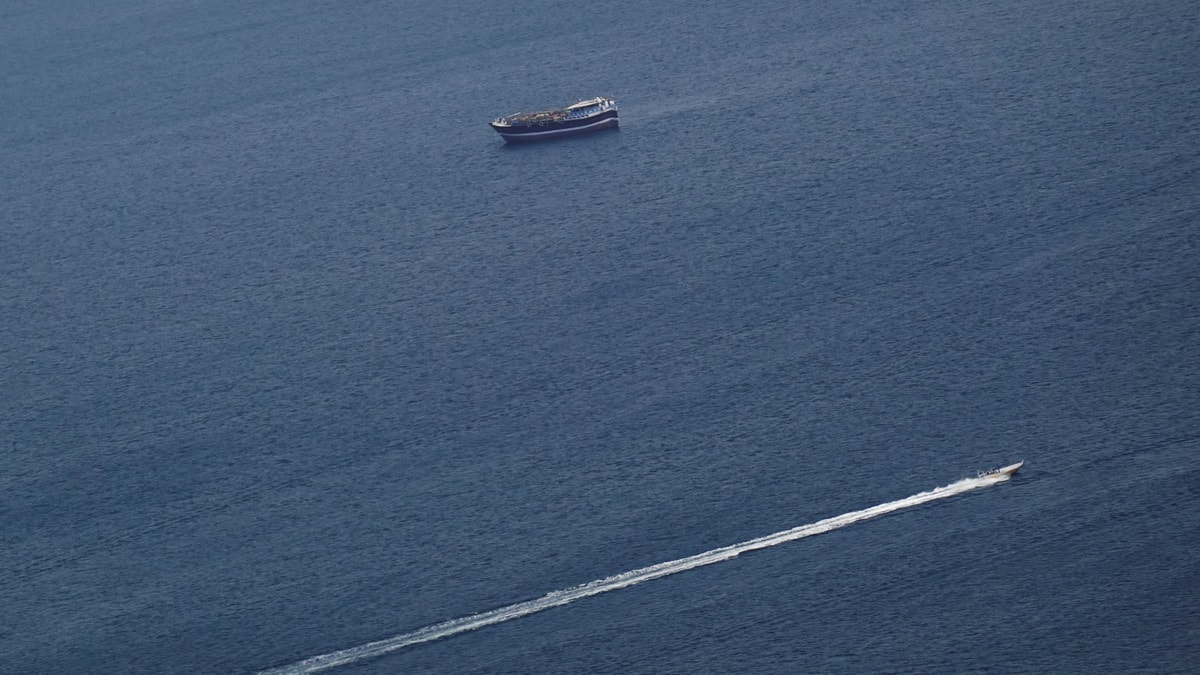
Now, instead of casting nets, he casts his eyes across the water, looking for the telltale signs of illegal poachers. He uses the same intuition that once made him a master fisherman to track those who would still dare to bleed the river dry. There are thousands of Zhangs now. They are the human infrastructure of a biological miracle.
Because the miracle is actually happening.
By 2022, the first comprehensive survey since the ban revealed a stunning shift. The population of the Yangtze finless porpoise had climbed to 1,249 individuals. A twenty percent increase in just a few years. In the world of conservation, where we usually track the speed of extinction, this is a vertical climb.
The fish have returned first. Without the relentless pressure of commercial nets, the "four major Chinese carps" are breeding in numbers not seen in half a century. The water is thick with life again. And because the prey is there, the predators are coming back from the brink.
The Invisible Stakes of a Smiling Mammal
Why does it matter? Why upend the lives of nearly a quarter-million people for a gray, blunt-headed mammal that most people will never see?
The porpoise is an indicator species. It is the "canary in the coal mine," but for an ecosystem that supports 400 million humans. If the porpoise cannot survive in the Yangtze, the river is dying. And if the Yangtze dies, the agriculture, the drinking water, and the very climate of central China begin to collapse.
The struggle to save the porpoise is actually a struggle to save ourselves from our own efficiency. We are very good at taking things from the earth. We are much less practiced at the art of leaving things alone. The ten-year ban is an exercise in restraint. It is a collective holding of the breath.
The Sound Returns
If you stand on the banks near the city of Yichang today, you might see them. They travel in small pods now, their dark backs breaking the surface like polished stones. They are social. They play. They seem, to the human eye, to be celebrating a reprieve they don't fully understand.
The silence of the nets has allowed the music of the river to return. It is a messy, silt-heavy, churning music, but it is alive.
The "river pig" is no longer just a memory for old men like Chen. It is a living testament to the idea that destruction is not inevitable. We often think of "nature" as something far away—the Amazon, the Arctic, the deep sea. But here, in the middle of one of the most industrialized regions on the planet, a ghost has put on flesh and bone again.
The ban still has years to run. The pressure to reopen the river to commercial interests is constant and heavy. There will be those who argue that the numbers are high enough now, that we can afford to take just a little more. They will point to the economic potential of a "managed" harvest.
But the river remembers. The porpoises remember the years of hunger and the screaming noise of the propellers. For now, the water belongs to them, and the men on the banks are content to watch from a distance, their hands empty of nets but their hearts full of a strange, new pride.
The smile on the finless porpoise is an anatomical fluke, a curve of the jaw that happens to mimic human joy. But as they leap in the wake of the patrol boats, it is getting harder and harder to believe it’s just physics.