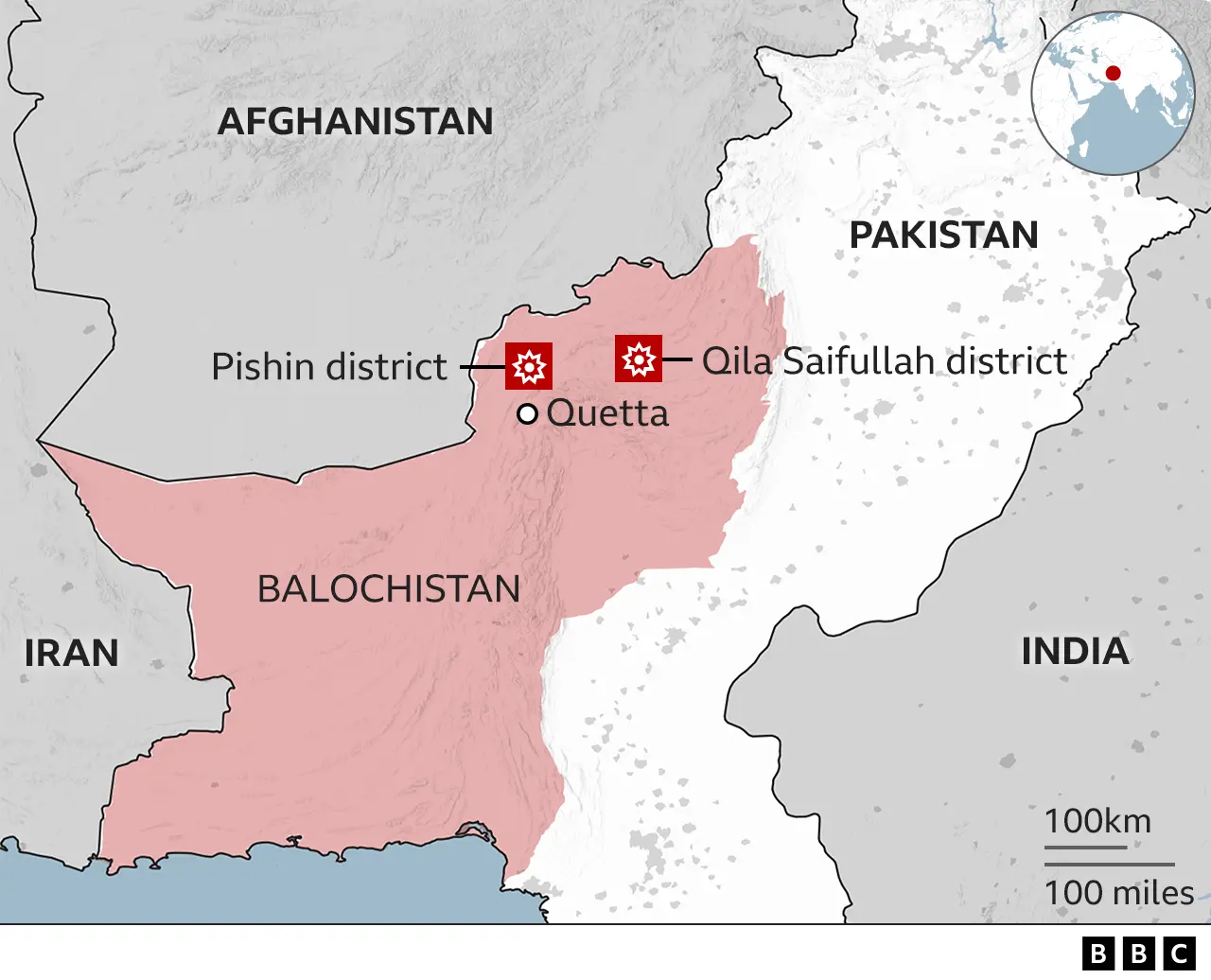
A young man named Javid stands on a jagged limestone ridge in South Waziristan, his arm stretched toward the sky like a lightning rod. He is not searching for a signal from the divine. He is searching for a single bar of 2G data. If he finds it, he can send a WhatsApp message to his brother in Karachi to say that their father’s fever hasn’t broken. If he fails, the message stays trapped in his pocket, a digital ghost in a land where the internet has become a memory.
The air here is thin. The silence is thicker. It is a silence that feels heavy, not because of the absence of sound, but because of the absence of connection. In the cities, we treat the internet like oxygen—invisible, ubiquitous, and mostly ignored until it stops. In the tribal districts of Pakistan’s Khyber Pakhtunkhwa, the internet is not oxygen. It is a lifeline that has been severed.
We often talk about "the digital divide" as if it were a simple gap in a spreadsheet. We imagine a few people lacking a TikTok account or an email address. The reality is far more visceral. When a region like South Waziristan undergoes a prolonged network blackout, it isn't just a loss of convenience. It is a systematic dismantling of modern life.
Consider the mechanic in Wana who needs a specific part for a 2018 Toyota engine. Before the blackout, he could look up a diagram or order the piece from a supplier in Lahore. Now, he waits for a bus. He pays a traveler to carry a handwritten note. He loses days. He loses money. He loses the ability to compete in a world that is moving at the speed of light while he is stuck in the speed of a mule.
The numbers tell one story, but the faces tell another. Official reports might note that cellular services are suspended for "security reasons." This is a phrase that has become a catch-all, a blanket thrown over a fire to stifle it. Since the merger of the tribal areas into the province, the promise was one of integration and progress. Instead, the residents find themselves living in a grey zone. They have the responsibilities of citizens but the connectivity of ghosts.
Students are perhaps the most quietly devastated. A university student from Ladha cannot check her exam results. She cannot submit an application for a scholarship that could take her to Islamabad or Peshawar. She sits at a wooden desk, her laptop a glorified paperweight, watching the deadlines pass like shadows across the valley floor. To her, the blackout is a wall. It is a physical barrier built of missing signals and empty radio waves.
Why does this happen? The official line usually points to the volatile security situation. The logic is that if the insurgents cannot communicate, they cannot coordinate. But this logic ignores a fundamental truth of the 21st century: the people who mean to do harm always find a way. They have satellite phones. They have couriers. They have systems that do not rely on a local tower. The only people truly silenced by a network blackout are the shopkeepers, the teachers, and the families.
Imagine you are trying to run a pharmacy. You need to verify the authenticity of a batch of medicine. You need to check the current market price so you don't overcharge a neighbor. You click "refresh." The spinning wheel of the browser is the only thing that moves. It spins for a minute. Then two. Then the screen goes white. "No Internet Connection."
The psychological toll of being disconnected is a weight that builds over months. It creates a sense of being forgotten. When you cannot see what the rest of the country is doing, and when they cannot see you, the bond of nationhood begins to fray. The people of South Waziristan are told they are part of a modern Pakistan, yet they are denied the most basic tool of modernity.
The economic impact is a slow-motion car crash. In the age of digital banking and EasyPaisa, cash is no longer the only king. When the towers go dark, the flow of capital stops. Remittances from workers in the Middle East—the lifeblood of many Waziristan households—get stuck in digital limbo. A mother cannot withdraw the money her son sent from Dubai because the bank's verification system requires a one-time password (OTP) sent via SMS. That SMS is currently floating somewhere in the ionosphere, unable to find a receiver.
The frustration boils over into the streets. You see it in the protests in Wana and Kaniguram. These are not just political rallies; they are cries for visibility. People hold up their phones as if they are holding up candles in a dark room. They are asking for the right to be heard, to be seen, and to participate in the collective conversation of their country.
There is a specific kind of exhaustion that comes from living in a state of "almost." The towers are there. You can see them perched on the hillsides, metallic skeletons against the blue sky. The infrastructure exists. The cables are laid. The power is occasionally on. But the signal is withheld. It is a tease, a constant reminder of what is possible but forbidden.
Some people try to bypass the block. They climb the highest peaks, sometimes trekking for hours to find a "hotspot" where a signal from a neighboring district might bleed over the border. These mountain tops have become unofficial town squares. Groups of men huddle together, their faces illuminated by the blue light of their screens, frantically downloading messages, voice notes, and news updates before the sun sets and they have to trek back down into the silence.
It is easy to dismiss this as a local issue, a footnote in the larger narrative of regional instability. But the blackout in South Waziristan is a canary in the coal mine for digital rights. It raises a terrifying question: How much of your life can be deleted by a switch in a distant office? If your education, your business, and your family ties are all tethered to a network you do not control, how free are you?
The crisis is deepening because the world is moving on. Every day that the network is down, the gap between South Waziristan and the rest of the world grows. It is not a linear gap; it is exponential. While a programmer in Lahore learns to use new AI tools, a student in Shakai is struggling to remember how to format a basic email. While a merchant in Multan expands his reach via Instagram, a trader in South Waziristan is watching his stock rot because he can't find a buyer in time.
This isn't just about "fast internet." It is about the fundamental right to exist in the modern world. To deny a population access to the network is to effectively exile them from the present day. It is a form of temporal displacement.
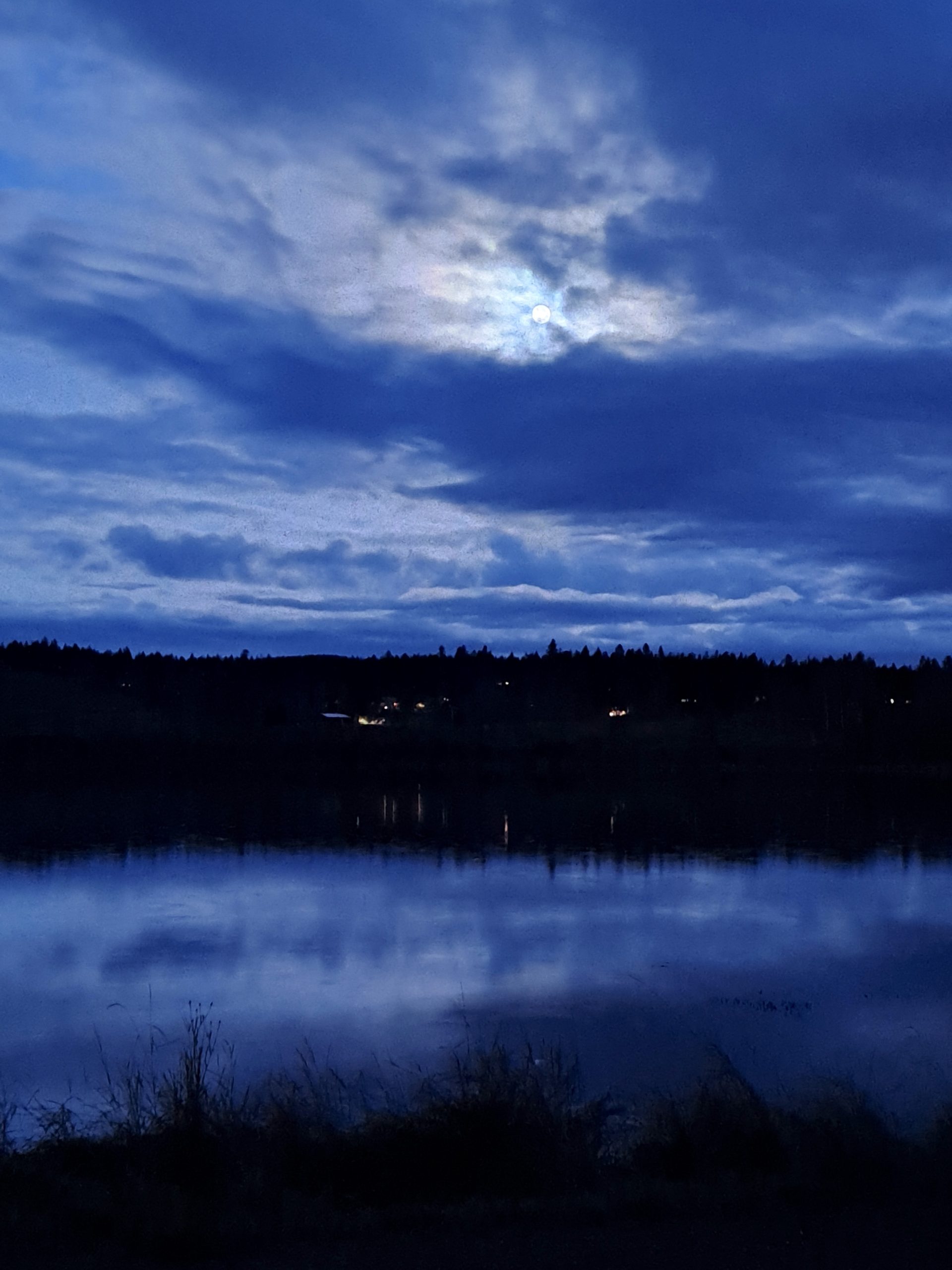
The sun begins to dip behind the peaks of the Sulaiman Range. Javid finally catches a sliver of 3G. His phone chirps. A flood of notifications hits all at once—a chaotic symphony of missed calls, news alerts, and jokes from friends. He quickly types: "Abba is still sick. Please send the medicine with the morning driver." He hits send. The progress bar crawls. 10%. 45%. 80%.
Then, the signal vanishes. The bar stalls. The screen flickers back to "Searching..."
Javid stays on the ridge for another hour, his arm tired, his eyes scanning the darkening horizon. He knows the driver leaves at dawn. He knows that without that message, the van will arrive empty. He holds the phone higher, a small, glowing beacon in a vast, silent landscape, waiting for a connection that might never come.